The Indispensable Role of a Home Care Agency in Palliative Care
The Indispensable Role of a
Home Care Agency in Palliative Care
When seeking a home care agency that offers palliative care services nearby, it's essential to consider factors such as proximity, reputation, and the range of services provided. Conducting a local search or utilizing online directories can help identify agencies in your area that specialize in palliative care. Look for agencies with positive reviews and testimonials from clients who have used their services. Additionally, contacting healthcare professionals or local hospice organizations for recommendations can be valuable. Once you've compiled a list of potential agencies, schedule consultations to discuss your needs and preferences, ensuring that the agency's approach to palliative care aligns with your goals and values. By taking these steps, you can find a home care agency near you that provides compassionate and comprehensive palliative care tailored to your unique needs.

Are You Searching For a Palliative Home Care Agency Near Me in New York?
Palliative care is a specialized medical approach focused on improving the quality of life for individuals facing serious illnesses. It aims to provide relief from physical pain, emotional distress, and other symptoms, while addressing the unique needs and goals of the patient and their family. Palliative care can be administered in various settings, including hospitals, nursing homes, and even at home. In this article, we will explore the concept of palliative care and discuss how 7 Day Home Care can effectively work in collaboration with palliative care services to offer comprehensive support to patients and their families.
Understanding Palliative Care and Working with a Home Care Agency Near You
Palliative care is an interdisciplinary approach that involves a team of healthcare professionals working together to manage and alleviate the physical, emotional, social, and spiritual burdens experienced by individuals with serious illnesses. It focuses on enhancing the quality of life, regardless of the prognosis or stage of the disease. The key components of palliative care include pain and symptom management, emotional and psychological support, coordination of care, and communication. The goal is to provide comfort, relieve suffering, and enable patients to live as fully and comfortably as possible. According to Cleveland Clinic, the following individuals can benefit from palliative care:
- Patients with serious illnesses including cancer, heart failure, and certain lung diseases like COPD.
- Patients or families dealing with the stress of a serious illness.
- Patients dealing with pain or other symptoms related to a serious illness.
- Patients and families facing difficult decisions about their health.
The Role of 7 Day Home Care in Palliative Care
7 Day Home Care plays a crucial role in supporting palliative care services in Manhattan, Queens, Brooklyn, Nassau County, and Suffolk County, New York by providing specialized care and assistance to patients within the familiar environment of their own homes. Here are some ways in which 7 Day Home Care can work in collaboration with palliative care services.
Personalized-Centered Care Plans and Best Home Care Agency Near You
Working hand in hand with palliative care services, 7 Day Home Care can develop personalized care plans tailored to the specific needs and goals of the patient. This may involve creating a comprehensive plan that addresses pain management, emotional support, assistance with daily activities - such as bathing, dressing, feeding, and coordination of medical appointments. Activities of Daily Living (ADLs) in this context are aimed at ensuring the patient's comfort and quality of life. Here are some ADLs commonly addressed in in-home palliative care:
- Personal Hygiene: Assistance with bathing, grooming, and oral care to maintain cleanliness and personal comfort.
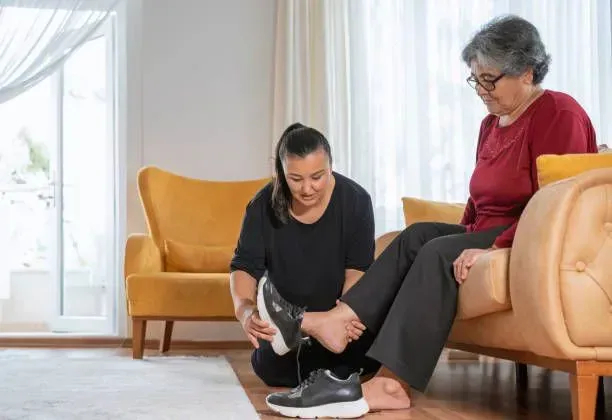
- Dressing: Helping the patient dress in comfortable and suitable clothing, considering their preferences and any medical devices or equipment needed.
- Toileting: Providing support with using the toilet, maintaining hygiene, and addressing incontinence concerns.
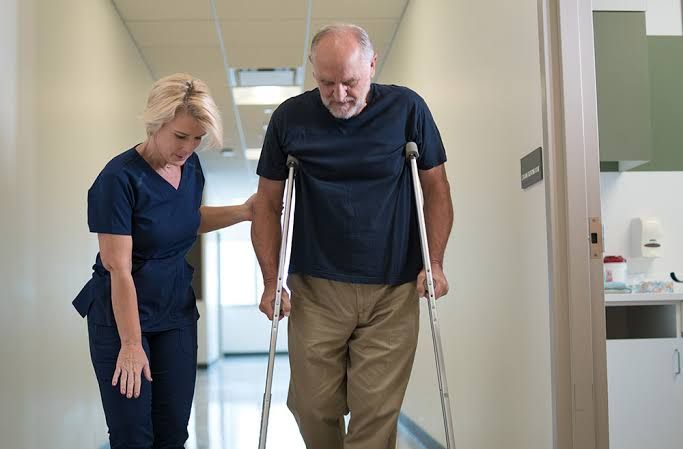
- Mobility and Transfers: Assisting with transferring the patient in and out of bed, chairs, or a wheelchair, using appropriate equipment if necessary.
- Positioning and Comfort: Ensuring the patient is comfortable and well-supported in their preferred position to prevent pressure ulcers and reduce discomfort.
- Nutrition and Hydration: Preparing and providing nourishing meals and fluids that align with the patient's dietary preferences and restrictions, taking into account any swallowing difficulties.
- Medication Reminders: Staying organized to make certain medications as prescribed to manage pain, discomfort, and other symptoms are followed, and ensuring adherence to the medication schedule.
- Pain Management: Monitoring and addressing pain and discomfort through various means, including working with other professionals with respect to medication, physical therapies, and non-pharmacological interventions.
- Emotional Support: Offering companionship, a listening ear, and emotional reassurance to help alleviate anxiety, depression, and emotional distress associated with the illness.
- Communication: Facilitating effective communication between the patient and their healthcare team, ensuring that the patient's wishes and concerns are heard and addressed.
- End-of-Life Care: In the final stages of a life-limiting illness, specialized end-of-life care, including pain management and emotional support, is crucial to ensuring a peaceful and dignified transition with dedicated caregivers playing a crucial role.
Palliative care is highly individualized, and the focus is on improving the patient's quality of life and managing their symptoms and discomfort. The care plan is developed in close collaboration with the patient, their family, and a team of healthcare professionals, including physicians, nurses, and therapists, to provide comprehensive and holistic support during this challenging time.
Emotional and Psychosocial Support
through a Home Health Care Agency
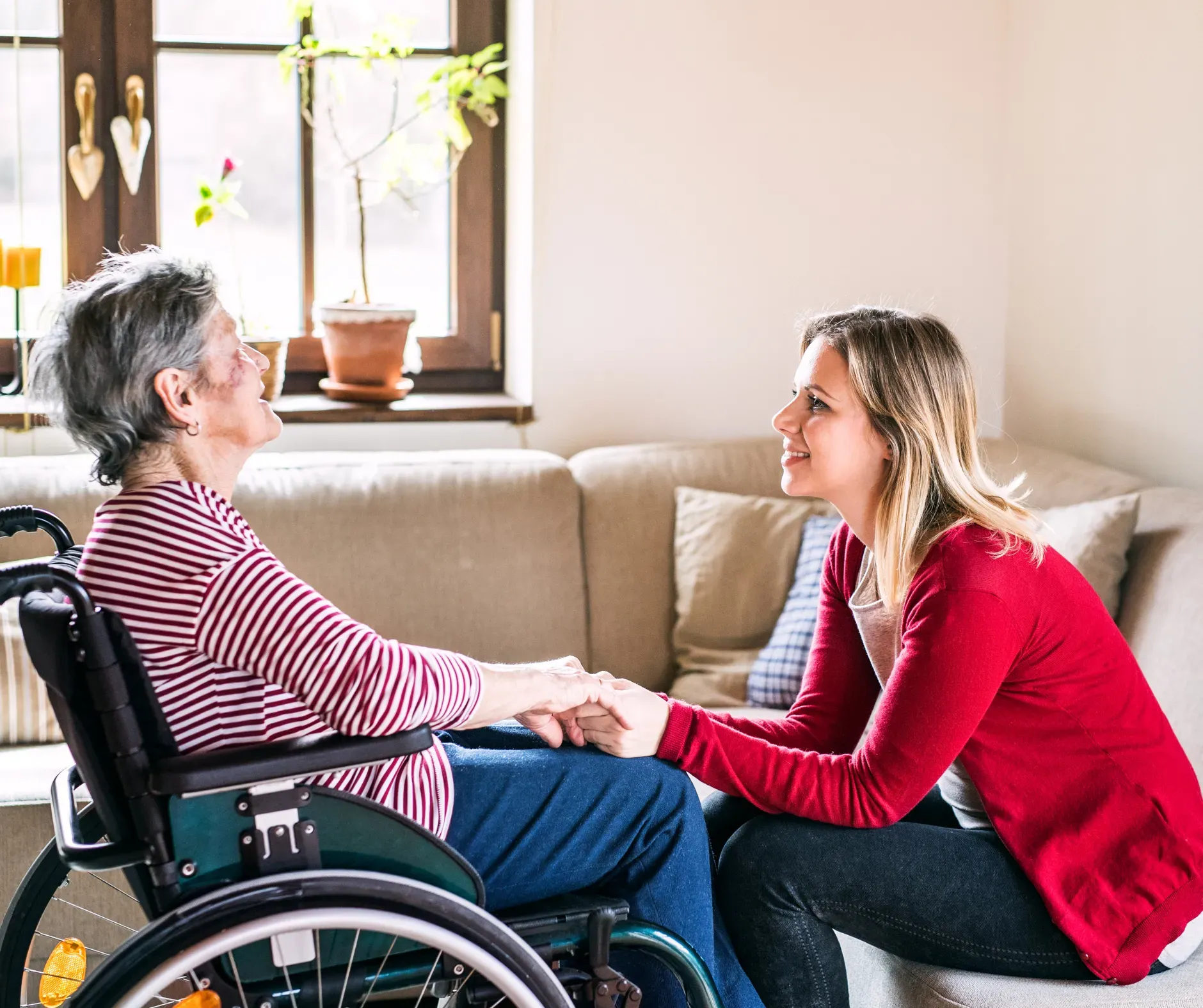
Palliative care emphasizes the importance of addressing emotional and psychosocial needs. 7 Day Home Care provides highly trained caregivers who offer companionship, active listening, and emotional support to patients and their families. These caregivers can create a nurturing and comforting environment, providing a source of solace and reassurance during challenging times.
Respite Home Care Services Near You in New York
Caring for a loved one with a serious illness can be physically and emotionally demanding for family caregivers. 7 Day Home Care offers respite care services, providing temporary relief to family members by stepping in to care for the patient. This allows family caregivers to take a break, attend to personal matters, or simply recharge while ensuring their loved ones continue to receive the necessary care.
Coordination and Communication
Facilitated By 7 Day Home Care
Effective coordination and communication among healthcare professionals are essential in palliative care. 7 Day Home Care facilitates this process by serving as a central point of contact for the patient, family, and the palliative care team. They can relay information, provide updates on the patient's condition, and ensure seamless collaboration between all parties involved.
Palliative care provides invaluable support to individuals facing serious illnesses, focusing on improving their quality of life and ensuring their comfort and well-being. By collaborating with 7 Day Home Care palliative care services can extend their reach and provide specialized care within the familiar and comforting environment of the patient's home. Together, they create a comprehensive support system that addresses the physical, emotional, and social needs of the patient and their family. By combining their expertise and resources, palliative care services and 7 Day Home Care can work in harmony to make a meaningful difference. To learn more about our Palliative Home Care Support services in Manhattan, Queens, Brooklyn, and Long Island, New York please call 516-408-0034 or visit 7 Day Home Care.
Brian Callahan
7 Day Home Care