The Guide for Keeping Seniors Active at Home
Start the conversation with an elderly loved one to learn more about what activities they find interesting. You might be surprised.
As people age, it's important to stay active to maintain their physical and mental health. However, staying active can be challenging for seniors, especially those who live alone or have limited mobility.
7 Day Home Care is a non-medical in-home care agency that provides services to seniors in Manhattan, Queens, Brooklyn, Nassau County, and Suffolk County, New York. We understand the importance of helping seniors stay active at home, and we offer a variety of services to support this goal.
In this article, we'll share some tips on how to keep seniors active at home. We'll also discuss the benefits of staying active and how 7 Day Home Care can help.
Benefits of Staying Active
There are many benefits to staying active, including:
- Reduced risk of chronic diseases: Physical activity can help reduce the risk of developing chronic diseases such as heart disease, stroke, type 2 diabetes, and some types of cancer.
- Improved mental health: Exercise releases endorphins, which have mood-boosting effects. Staying active can also help reduce stress and anxiety.
- Increased strength and flexibility: Physical activity helps to strengthen muscles and improve flexibility. This can help seniors maintain their independence and reduce their risk of falls.
- Weight management: Exercise can help seniors maintain a healthy weight or lose weight if needed.
- Improved sleep quality: Physical activity can help seniors sleep better at night.
Tips for Keeping Seniors Active at Home
Here are some tips for keeping seniors active at home:
- Set realistic goals. Don't expect seniors to go from being sedentary to exercising for hours every day. Start with small goals, such as walking for up to 10 minutes a day.
- Find activities that seniors enjoy. If seniors don't enjoy an activity, they're less likely to stick with it. There are many different types of activities that seniors can do, such as walking, swimming, dancing, gardening, or playing games.
- Make exercise fun. Seniors are more likely to be active if they're enjoying themselves. Try listening to music while exercising, or exercising with a friend or family member.
- Break up exercise into shorter sessions. Seniors may not be able to exercise for long periods of time at once. Break up exercise into shorter sessions throughout the day.
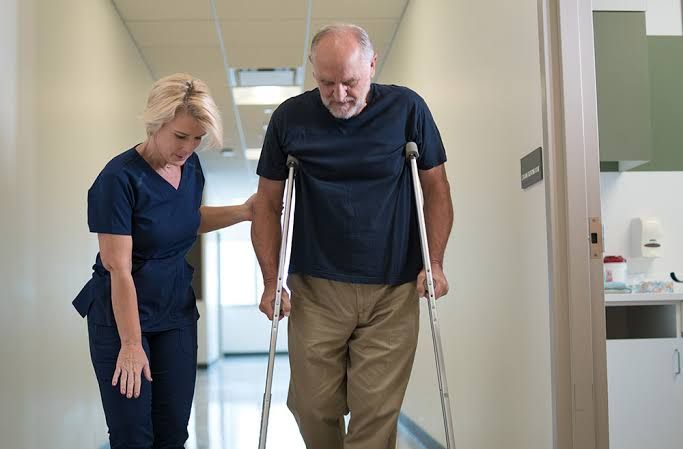
- Use adaptive equipment. There are a number of adaptive devices that can help seniors exercise safely and effectively. For example, there are walkers with seats, and resistance bands that can be used to exercise in a chair.
7 Day Home Care Services
7 Day Home Care offers a variety of services to help seniors stay active at home, including:
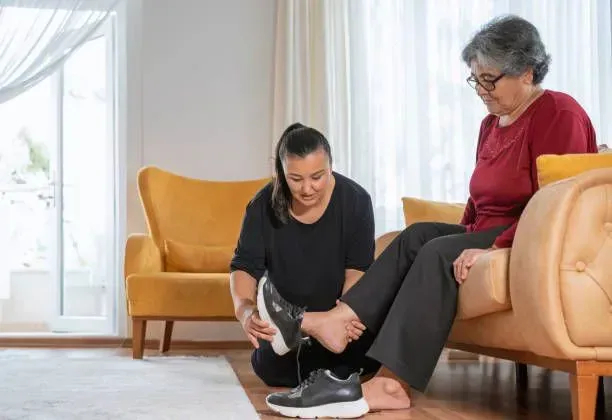
- Personal care assistance: Our caregivers can help seniors with activities of daily living, such as bathing, dressing, and grooming. This can free up seniors' time so they can focus on exercise.
- Stand-by Exercise Assistance: We can stand-by assist with a variety of exercise programs for seniors, including chair yoga, tai chi, and aqua therapy. Our caregivers can help seniors modify exercises to meet their individual needs or assist with range of motions exercises provided by a senior's physical or occupational therapist.
- Socialization: We can accompany on a variety of social activities for seniors, such as outings to museums, parks, and restaurants. This can help seniors stay motivated and engaged.
How to Get Started
If you're interested in helping a senior in your life stay active at home, here are a few things you can do:
- Start the conversation. Talk to the senior about their interests and abilities. This will help them choose activities that they're likely to enjoy and that are safe for them to do.
- Set realistic goals. Don't expect seniors to change their habits overnight. Start with small goals and gradually increase the intensity and duration of exercise over time.
- Consider hiring a home care caregiver. A caregiver can help seniors with activities of daily living, exercise, and socialization.
At 7 Day Home Care, we believe that every senior deserves to enjoy a fulfilling and active life at home. By understanding the importance of staying active, tailoring activities to individual needs and interests, and following essential tips for safety and consistency, seniors can maintain their physical and mental well-being.
Remember that staying active is a journey, and it's never too late to start. With the resources provided, you can explore a wide range of activities and make a positive impact on the lives of the seniors you care for. Together, we can ensure that seniors in Manhattan, Queens, Brooklyn, Nassau County, and Suffolk County, New York, continue to thrive and enjoy their golden years to the fullest.
Brian Callahan
7 Day Home Care