The Essential Traits of a Caregiver
Does your caregiver have a genuine passion for caregiving?
At 7 Day Home Care, we believe that the quality of care we provide to our clients is directly linked to the qualities and traits of our caregivers. Our commitment to offering top-notch in-home care services in Manhattan, Queens, Brooklyn, Nassau County, and Suffolk County, New York, begins with selecting caregivers who possess the essential qualities necessary to make a meaningful and positive impact on the lives of our clients. In this article, we will discuss the traits we look for when hiring qualified caregivers, emphasizing the importance of empathy, patience, kindness, respect, and a genuine passion for caregiving.
The Fundamental Traits We Seek in Caregivers
1. Empathy:
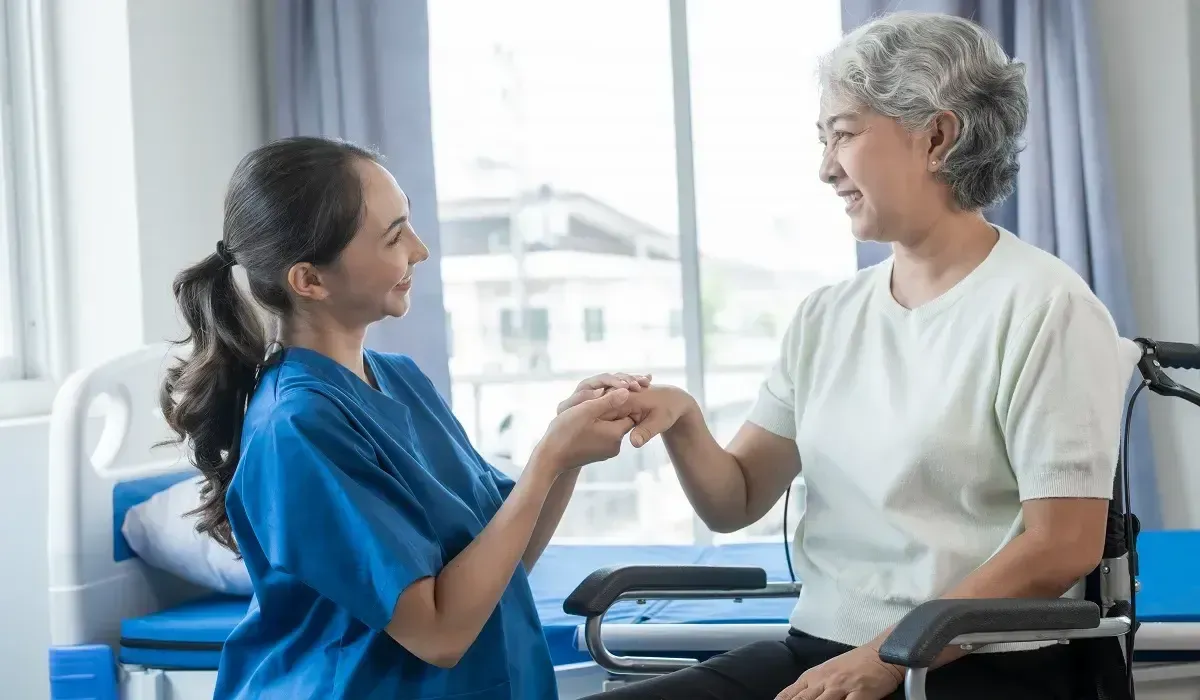
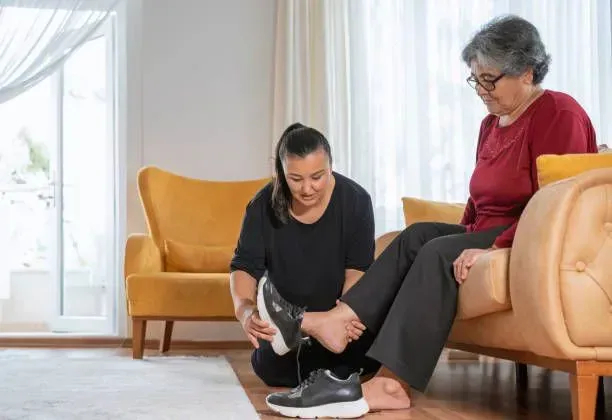
Empathy is the cornerstone of quality caregiving. Caregivers who possess empathy can connect with their clients on a deeper level, understanding their emotions, needs, and concerns. According to a study published in the journal "Patient Experience Journal," 76% of patients rated empathy as an essential quality in healthcare providers.
2. Patience:
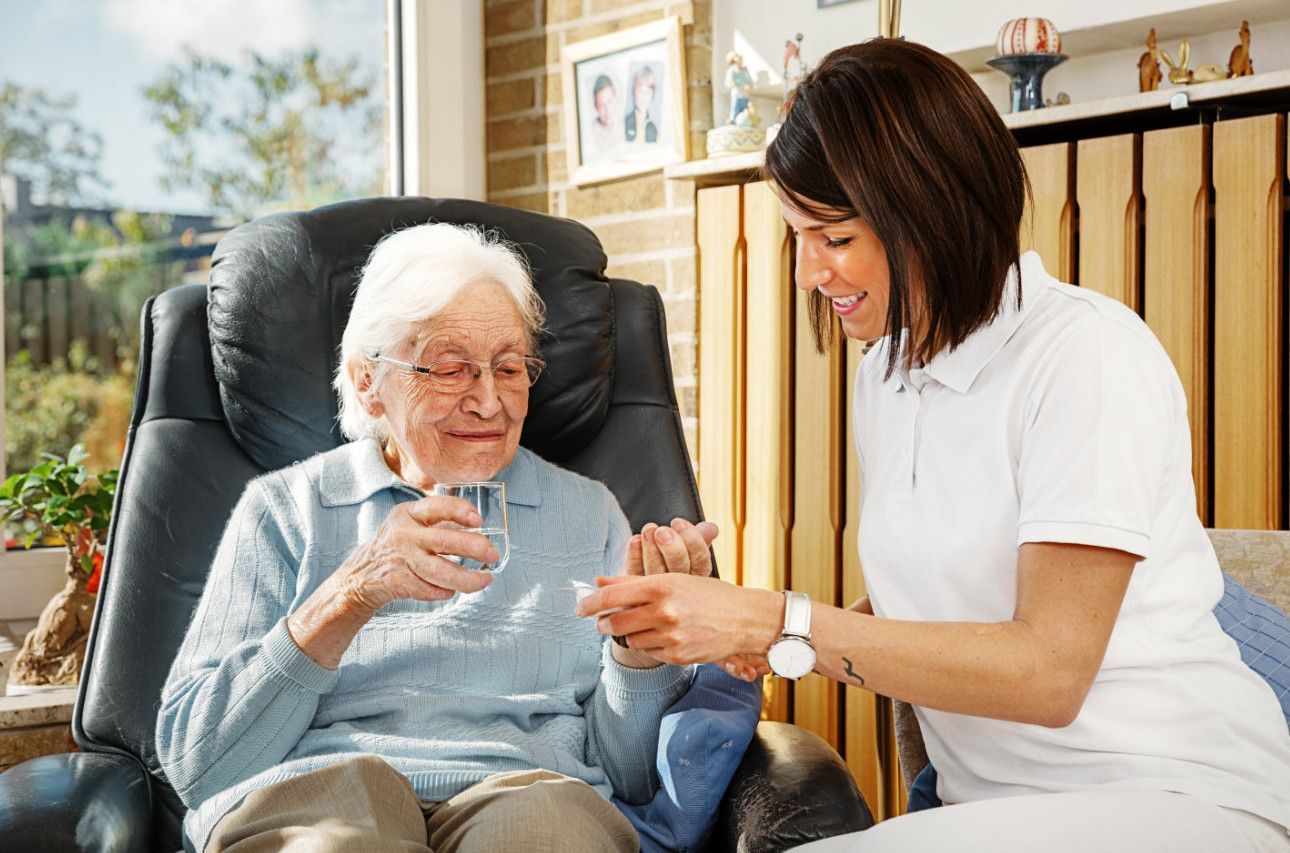
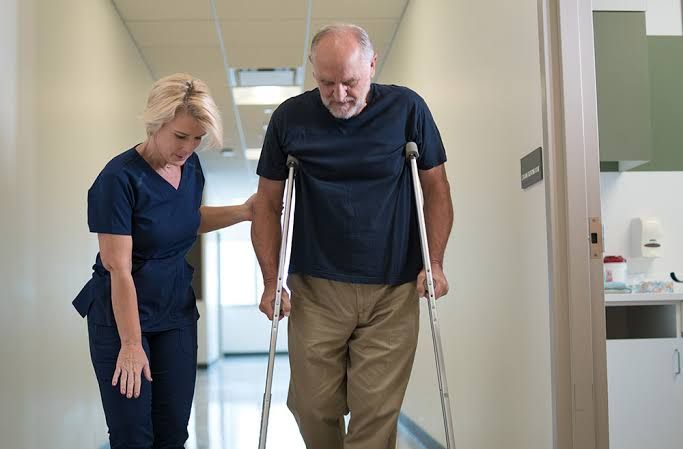
Patience is a virtue that caregivers must cultivate. Many clients may require assistance with tasks that take time, and situations can be challenging. A report by the National Alliance for Caregiving found that 48% of caregivers in the United States provide care for five years or more, highlighting the need for patience over the long term.
3. Kindness:
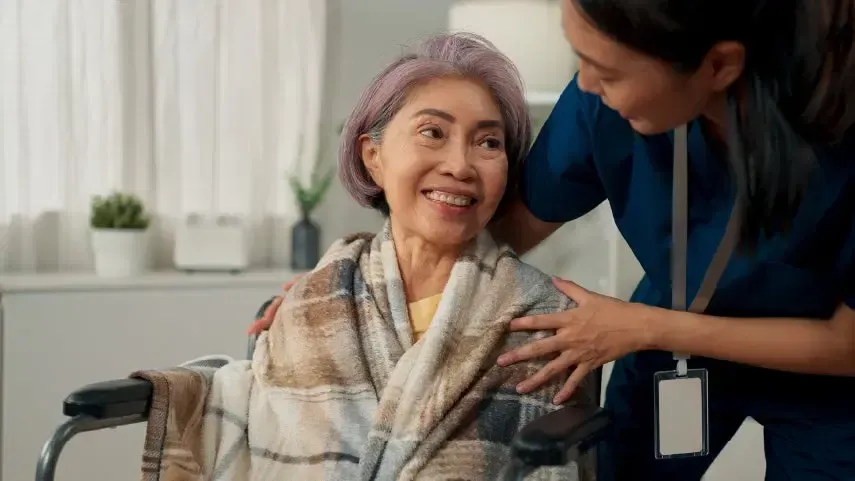
Kindness goes hand in hand with empathy. A kind caregiver shows genuine care and concern for their clients, creating a nurturing and comforting environment. A study published in the journal "Frontiers in Psychology" found that acts of kindness have a significant positive impact on well-being and happiness.
4. Respect:
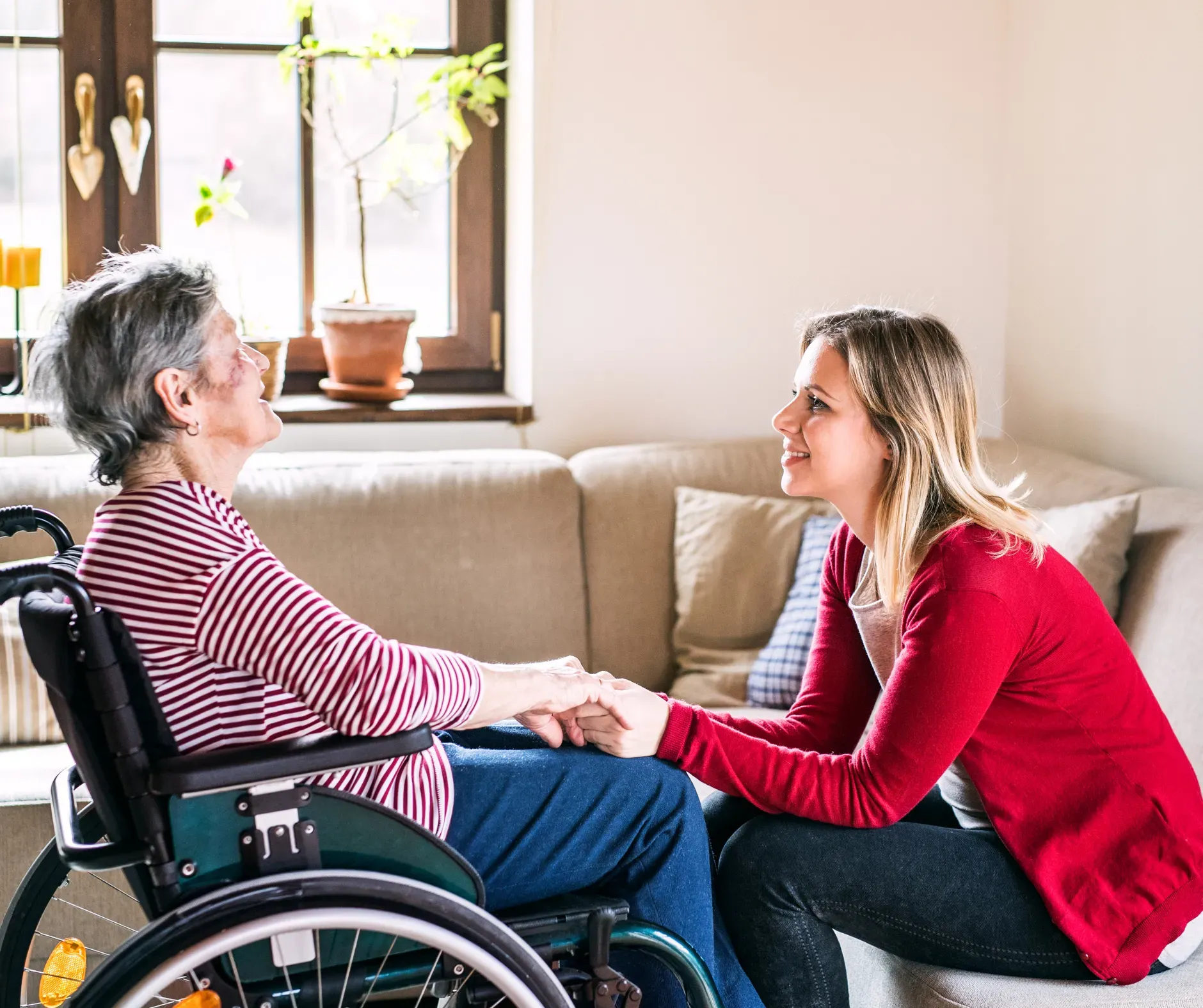
Respect is a non-negotiable trait for caregivers. Clients deserve to be treated with dignity and respect, regardless of their condition or limitations. The National Institute on Aging emphasizes the importance of treating older adults with respect to promote their well-being.
5. Love for the Caregiver Role:
While empathy, patience, kindness, and respect are fundamental traits, we also seek caregivers who genuinely love the work they do. Caregiving can be demanding, both physically and emotionally, and a passion for the role can make a significant difference in the quality of care provided. According to a survey by the AARP, 90% of older adults prefer to age in their own homes. A caregiver who loves their work can help make this preference a reality.
Why These Traits Matter
- Enhanced Client Satisfaction:
Caregivers with these traits create a more positive and comfortable caregiving experience for clients. A report by the Agency for Healthcare Research and Quality found that a better patient-caregiver relationship leads to higher patient satisfaction.
2. Improved Mental and Emotional Well-being:
Clients who receive care from empathetic, patient, kind, and respectful caregivers are more likely to experience improved mental and emotional well-being. A study in the "Journal of Applied Gerontology" showed that positive caregiving experiences can reduce the risk of caregiver burden and stress.
3. Enhanced Quality of Life:
Caregivers who genuinely love their work often go the extra mile to improve the quality of life for their clients. This can involve engaging in meaningful activities, promoting social interaction, and ensuring that clients receive personalized care.
4. Positive Impact on Health Outcomes:
The traits of empathy and kindness have been linked to better health outcomes. According to the Cleveland Clinic, empathy can lead to better patient compliance with treatment plans, which in turn can improve health outcomes.
Our Caregiver Selection Process
At 7 Day Home Care, we understand the critical role that caregivers play in the lives of our clients. Our caregiver selection process is rigorous and thorough, designed to identify qualified professionals who embody the traits and characteristics we've discussed. Here's an overview of our process:
- Initial Screening: We review applications and resumes to identify candidates who possess the necessary qualifications and certifications.
- In-Person Interviews: Candidates participate in one-on-one interviews to assess their interpersonal skills, empathy, and passion for caregiving.
- Background Checks: We conduct comprehensive background checks to ensure the safety and security of our clients.
- Reference Checks: We contact references to verify candidates' work history and inquire about their character and caregiving abilities.
- Skill Assessment: Candidates undergo skill assessments to ensure they are proficient in the specific tasks required for the role.
- Training and Orientation: Once selected, caregivers receive training and orientation to align them with our philosophy and standards of care.
The traits of caregivers have a profound impact on the quality of care provided to our clients at 7 Day Home Care. Empathy, patience, kindness, respect, and a genuine love for caregiving are fundamental qualities that we seek in our caregivers. These traits not only enhance client satisfaction but also contribute to improved mental and emotional well-being, a higher quality of life, and positive health outcomes.
If you are in need of compassionate, skilled caregivers who possess these essential traits and serve in Manhattan, Queens, Brooklyn, Nassau County, or Suffolk County, New York, please reach out to us at 7 Day Home Care. Your loved one's well-being is our top priority, and we are committed to providing the highest level of care and support possible.
Brian Callahan
7 Day Home Care