Navigating Life at Home After Rehab with a Caregiver
After undergoing rehabilitation or receiving care at a skilled nursing facility, returning home should be a moment of triumph. However, this transition can be challenging for many individuals. In this article, we'll explore the difficulties that people often encounter when they go home after being discharged from rehab. We'll also shed light on how in-home care services, provided by organizations like 7 Day Care, can play a pivotal role in ensuring a smooth and successful recovery.
The Post-Rehabilitation Challenges
1. Physical Impairments
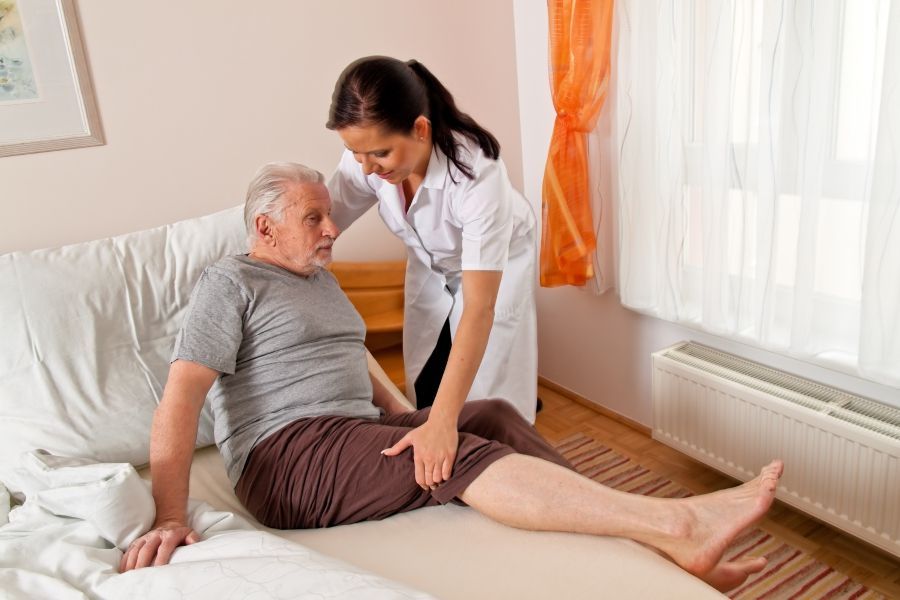
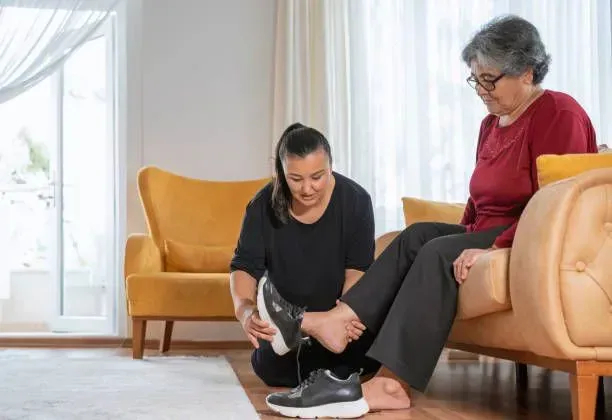
Upon returning home, individuals may still face physical limitations and require assistance with daily living activities (ADLs) such as bathing, dressing, and mobility. According to the National Center for Health Statistics (NCHS), over 14% of adults in the United States have some form of disability, making these challenges more common than one might think.
2. Medication Management
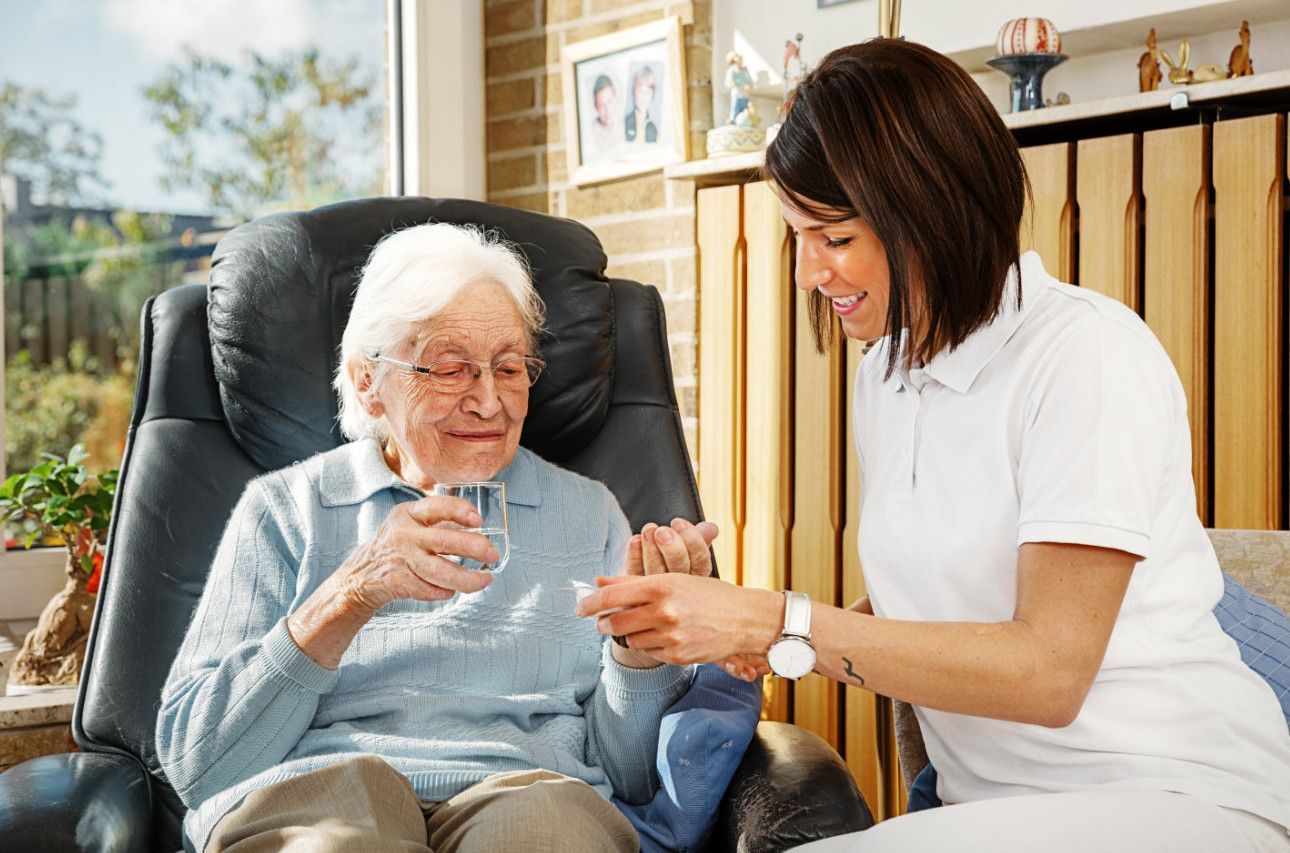
Proper medication management is crucial for a successful recovery. A study published by the National Council on Aging found that approximately 75% of seniors make at least one medication error after leaving the hospital. This can lead to complications, readmissions, or even life-threatening situations.
3. Social Isolation
Returning home can be isolating, especially for seniors or those without a strong support network. The Administration on Aging reports that social isolation among older adults is a significant concern, with consequences for both mental and physical health.
4. Risk of Falls
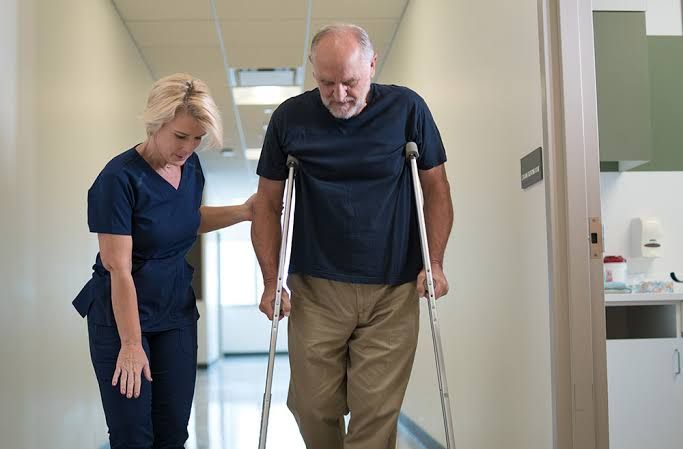
Falls are a prevalent issue among seniors, and the risk increases after a hospital stay or rehabilitation. According to the Centers for Disease Control and Prevention (CDC), one out of five falls results in a serious injury such as a fracture or head injury.
In-Home Care: A Solution for Post-Rehab Challenges
In-home care services like those provided by 7 Day Home Care offer a comprehensive solution to these challenges. Here's how:
1. Personalized Care Plans
7 Day Home Care creates individualized care plans tailored to the unique needs and goals of each client. This approach ensures that clients receive the assistance they require to regain their independence.
2. Skilled Caregivers
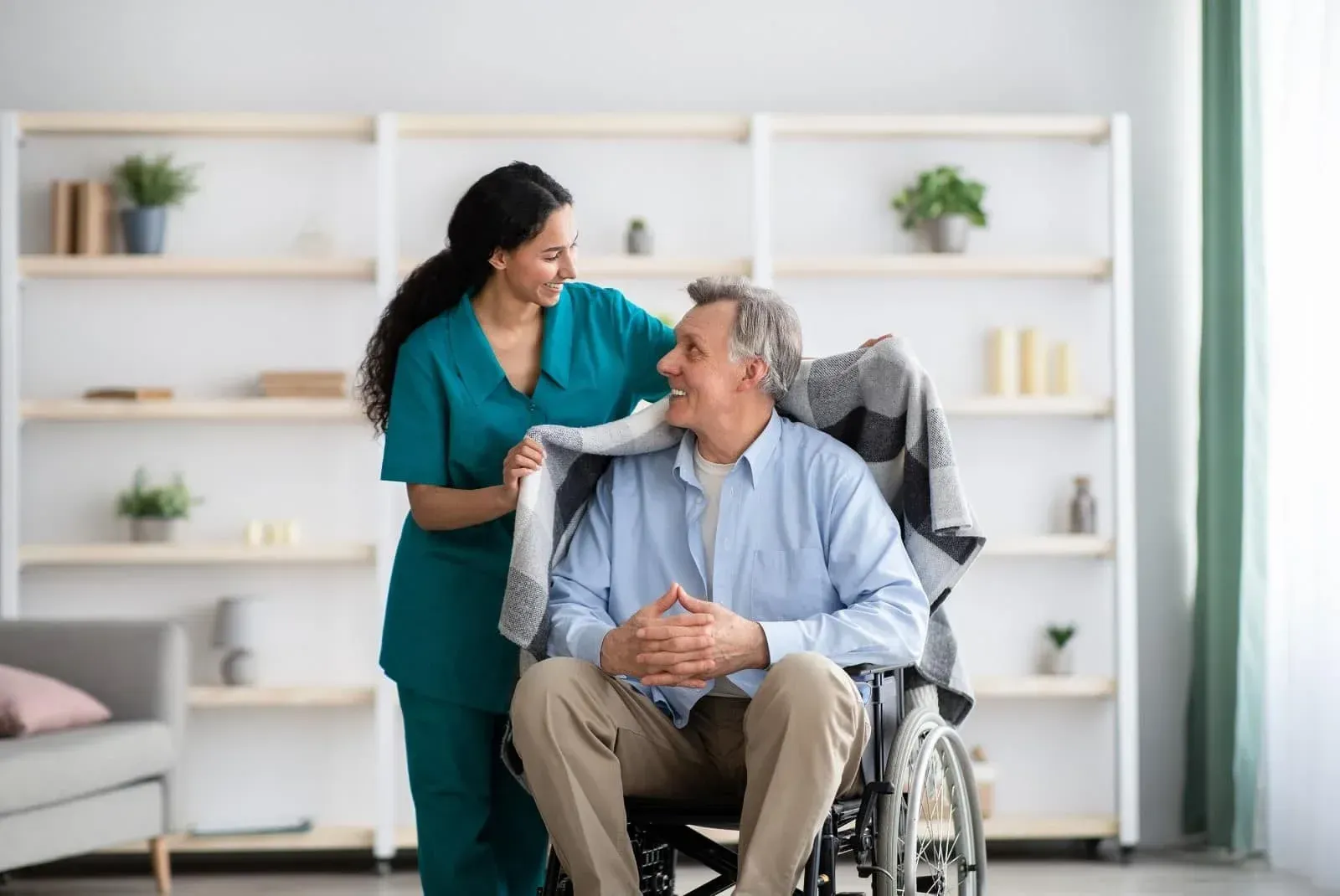
Our caregivers are trained and experienced in assisting with ADLs, medication management, and fall prevention. They provide the necessary support while promoting a safe and comfortable environment for clients.
3. Companionship
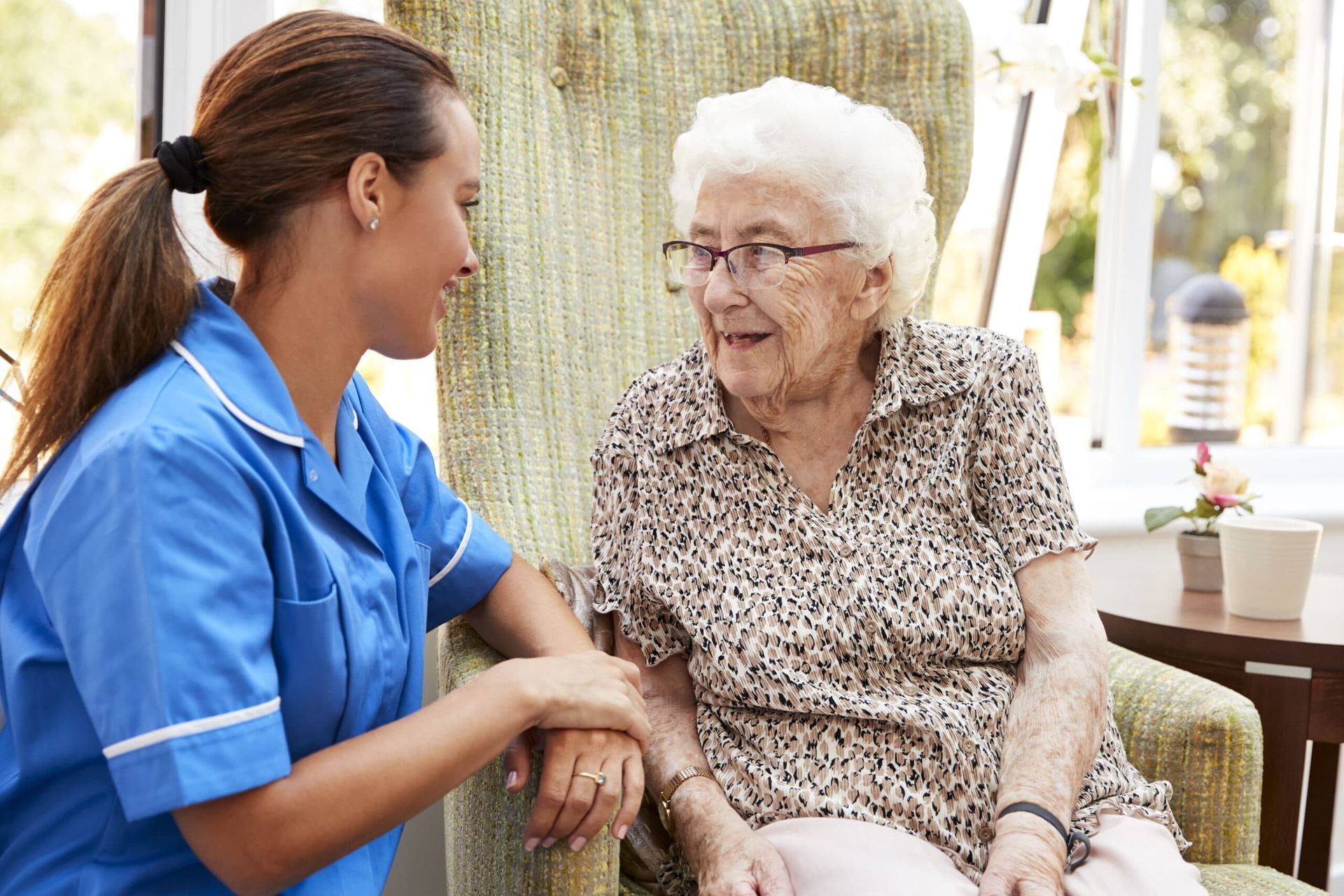
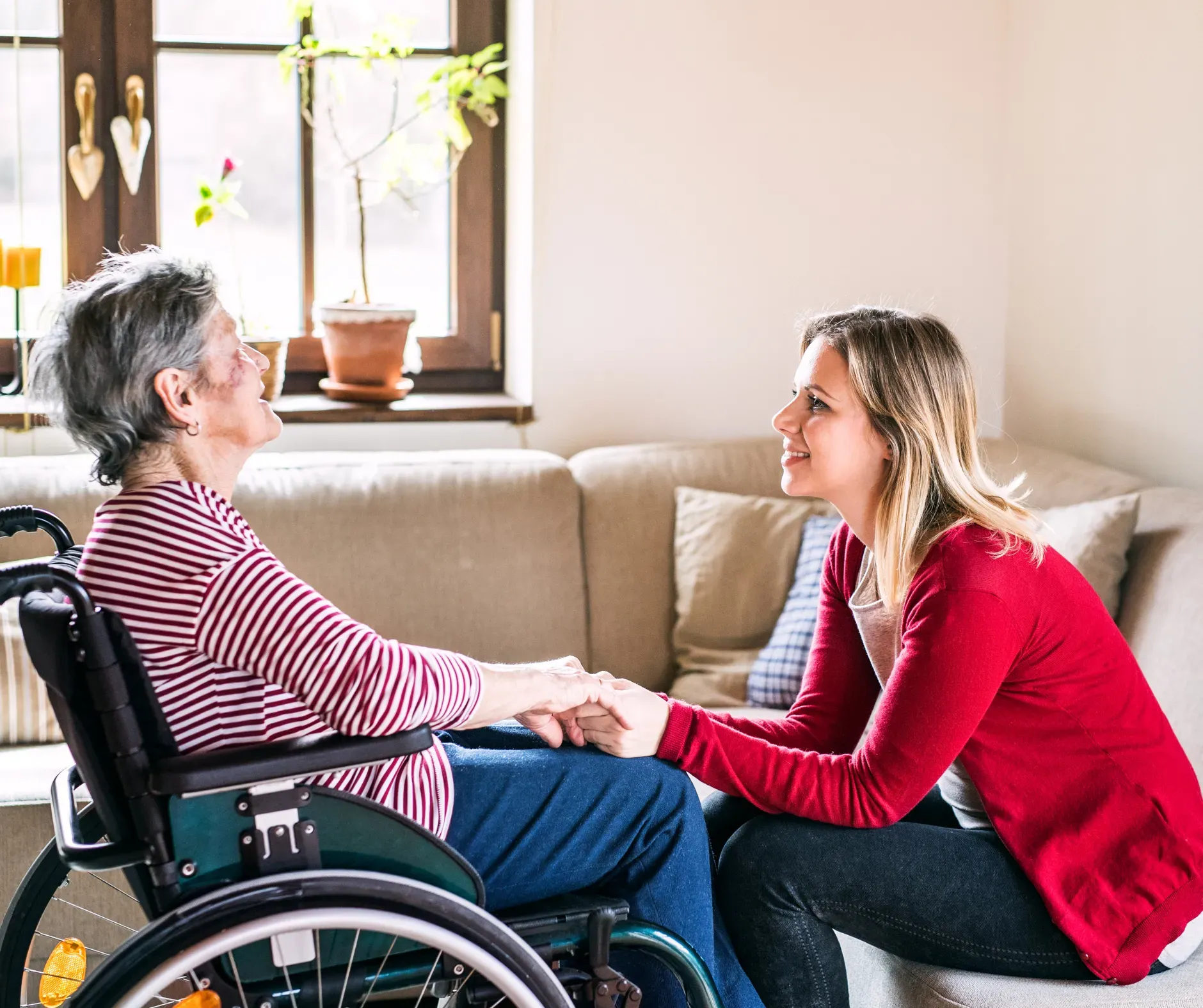
Combatting social isolation is a top priority at 7 Day Home Care. Our caregivers offer companionship, engage in meaningful conversations, and accompany clients on outings, enhancing their overall well-being.
4. Fall Prevention
7 Day Home Care takes proactive steps to prevent falls. We conduct home safety assessments and implement measures to reduce fall risks, ultimately enhancing the safety of our clients.
The Impact of In-Home Care
1. Improved Quality of Life
In-home care significantly improves the quality of life for individuals recovering from injury or illness. A study by the National Institutes of Health (NIH) found that seniors receiving home care services reported higher levels of satisfaction and overall well-being.
2. Reduced Hospital Readmissions
Proper post-rehabilitation care, including in-home care, can lead to fewer hospital readmissions. The Agency for Healthcare Research and Quality (AHRQ) reports that effective post-discharge care can reduce readmission rates by up to 20%.
3. Enhanced Independence
In-home care helps individuals regain their independence more quickly. The U.S. Department of Health and Human Services notes that seniors receiving home-based care can often delay or avoid the need for more intensive and costly care options.
Returning home after rehab should be a positive and empowering experience, not one filled with challenges and uncertainties. In-home care services provided by organizations like 7 Day Home Care are essential in ensuring a smooth transition and a successful recovery. By addressing the physical, emotional, and social needs of individuals, in-home care significantly improves their overall quality of life while reducing the risk of complications and readmissions.
If you or a loved one is facing the transition from rehab to home in Manhattan, Queens, Brooklyn, Nassau County, or Suffolk County, New York, consider the support and expertise of 7 Day Home Care. Our dedicated caregivers are here to assist and make the journey to recovery as comfortable as possible.
Brian Callahan
7 Day Home Care