My Spouse Has Dementia: Is a Home Health Care Agency an Option?
My Spouse Has Dementia:
Is a Home Health Care Agency an Option?
Johns Hopkins Medicine explains "of the 5.8 million people in the United States living with Alzheimer’s disease and other types of dementia, the majority live in their own homes over the course of their illness—even in those in more advanced stages and at end-of life. And home care isn’t always easier — meeting the complex and ever-changing care needs for people with dementia can be challenging and caregiving often falls on the shoulders of family members and friends. And while caregiving can be rewarding, caregivers can burn out and experience greater health problems themselves, physical and emotional burden, as well as financial strains from lost time at work or from paying out of pocket for care or services, experts warn."

Are You Searching for a Home Care Agency Near Me
That Understands the Complexities of Dementia Care at Home?
Living with a spouse who has dementia presents unique challenges that require thoughtful consideration and planning. As the condition progresses, the need for specialized care becomes increasingly important to ensure the safety, well-being, and quality of life for both the individual with dementia and their caregiver. In such circumstances, many families explore the option of in-home care as a way to provide personalized support while allowing their loved one to remain in familiar surroundings. At 7 Day Home Care, we understand the complexities of dementia care and offer specialized services tailored to meet the unique needs of each individual and their family.
Specialized home care agency services for dementia care offer invaluable benefits for both the patient and their family. For the patient, receiving care in the comfort of their own home provides a sense of familiarity and security, reducing stress and confusion often associated with transitioning to unfamiliar environments. Highly trained caregivers can offer personalized support tailored to the individual's needs, promoting independence, dignity, and overall well-being. Additionally, specialized dementia care focuses on implementing strategies to enhance cognitive function, memory retention, and emotional well-being, empowering patients to maintain a sense of purpose and engagement in daily life. For the family, having access to professional caregivers alleviates the burden of caregiving responsibilities, allowing them to maintain a healthy balance between their own needs and providing support to their loved one. Furthermore, caregivers offer guidance, education, and emotional support to family members, empowering them to navigate the challenges of dementia with confidence and peace of mind. Overall, specialized home care agency services for dementia care not only improve the quality of life for the patient but also offer invaluable support and relief for their family members.
Home Health Aide Training and Experience
is Paramount for Alzheimer's and Dementia Care at Home
Dementia is a progressive neurological condition characterized by a decline in cognitive function, memory loss, and changes in behavior. Caring for a spouse with dementia can be emotionally and physically demanding, often requiring round-the-clock supervision and assistance with daily activities. In-home care provides a viable solution for families seeking professional support to manage the challenges associated with dementia while preserving the dignity and independence of their loved one.
At 7 Day Home Care, we recognize the importance of highly trained and experienced caregivers in delivering quality dementia care. Our team of compassionate home health aides undergoes specialized training in dementia care techniques, including communication strategies, behavioral management, and activities of daily living assistance. Additionally, our caregivers are supervised by registered nursing staff, ensuring that each client receives personalized care tailored to their unique needs and preferences.
Dementia Home Care Agency Near You for Safety and Well-Being
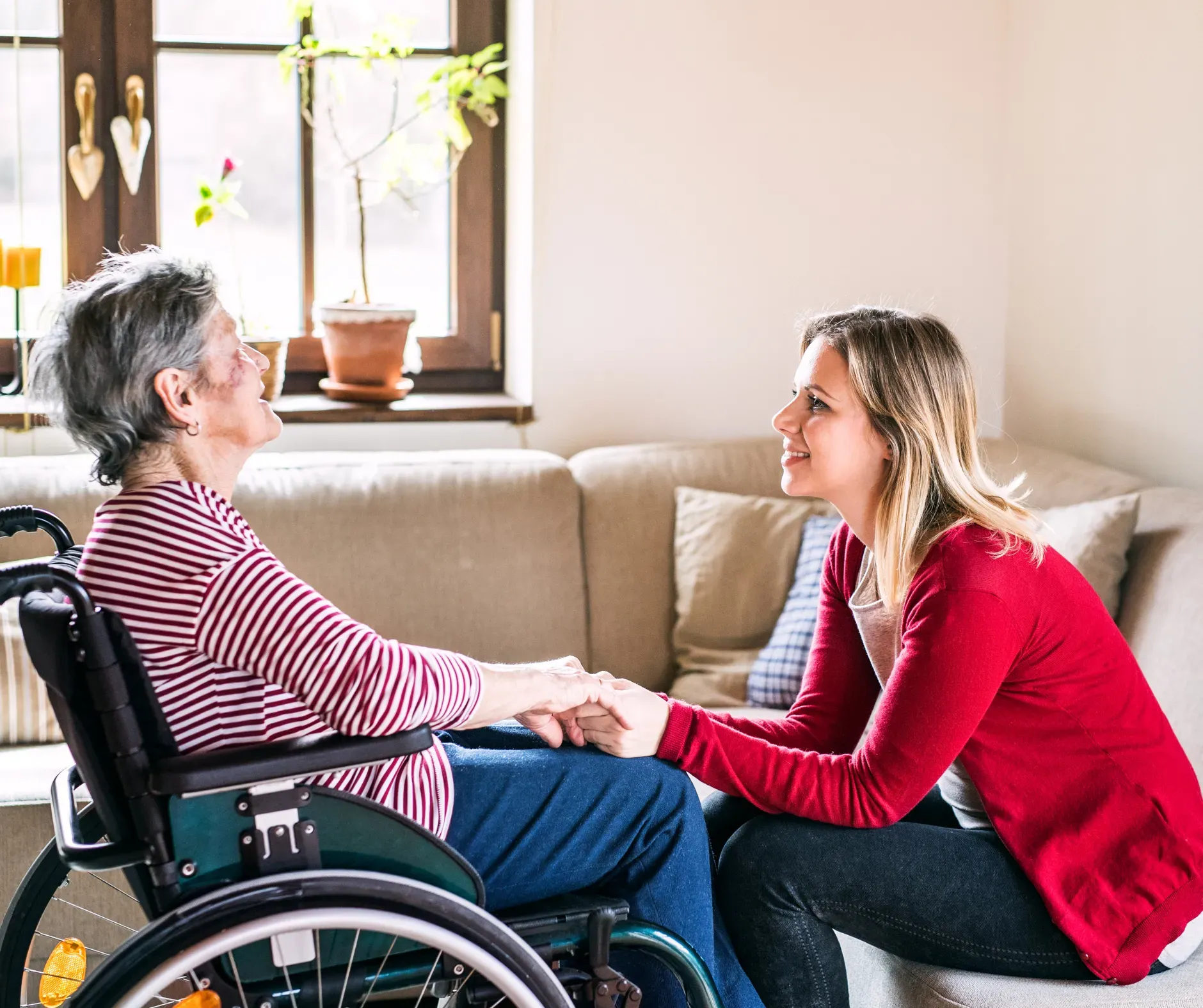
One of the primary benefits of in-home dementia care is the ability to create a safe and familiar environment for the individual with dementia. Remaining in their own home allows them to maintain a sense of independence and continuity, which can have a positive impact on their overall well-being. Our caregivers work closely with families to establish routines, implement memory-enhancing activities, and provide companionship and emotional support, helping to minimize stress and confusion for both the individual with dementia and their caregiver.
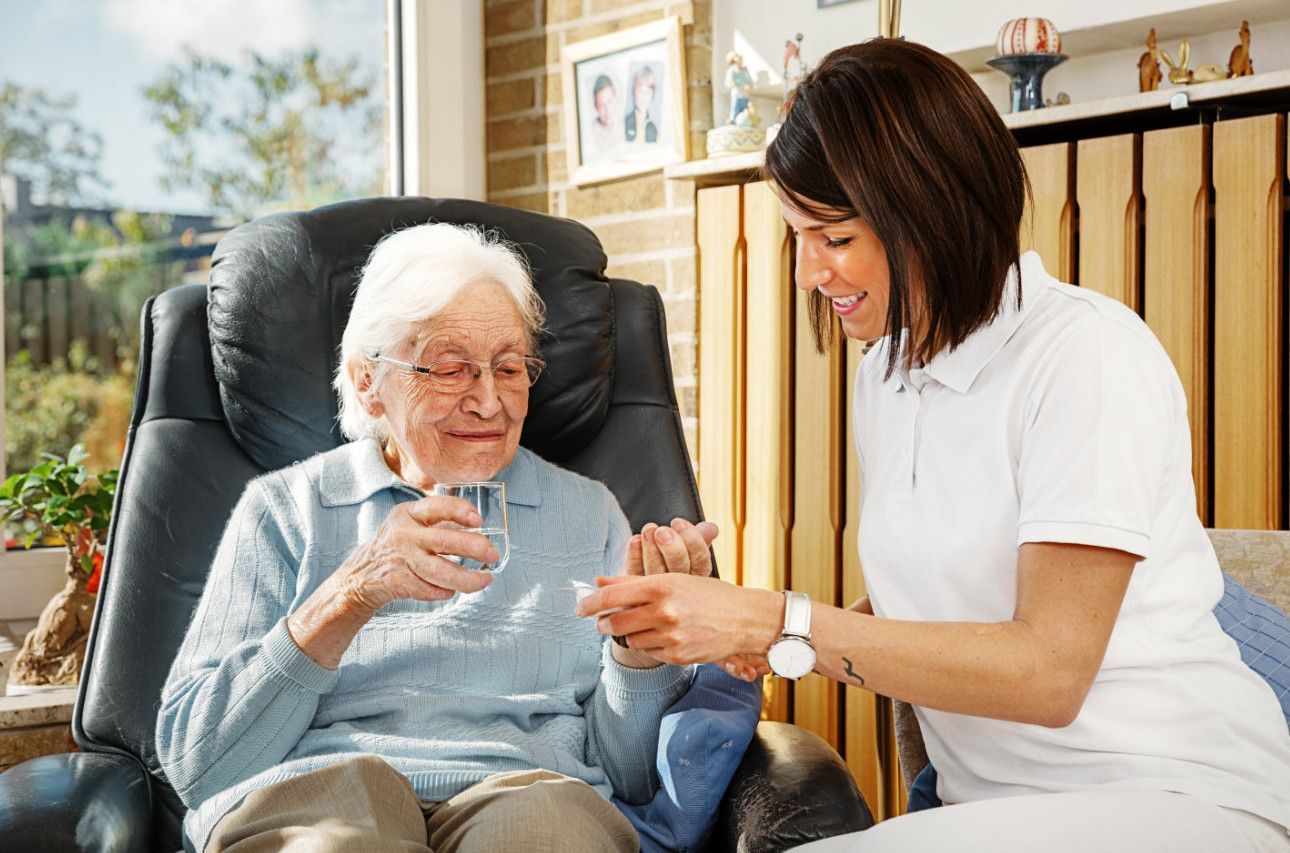
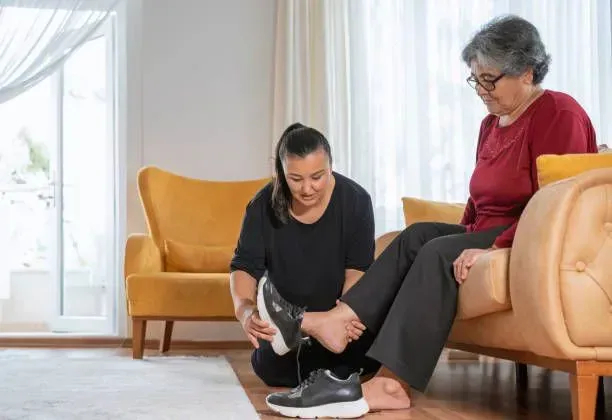
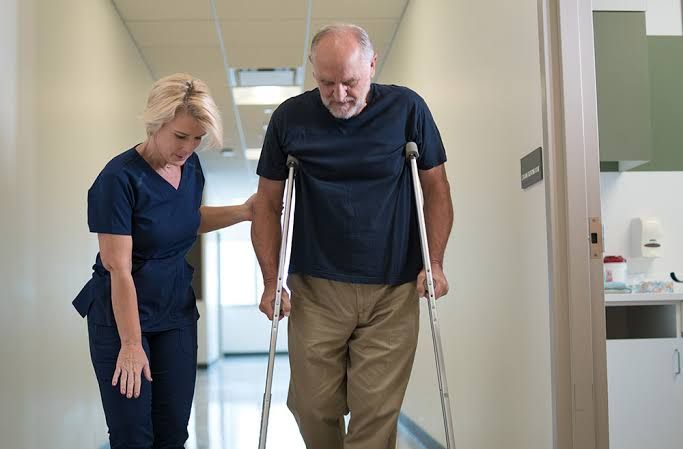
In-home dementia care also offers flexibility and customization, allowing families to adapt the level of care as the condition progresses. Whether it's assistance with medication management, meal preparation, personal hygiene, or mobility support, our caregivers are equipped to meet a wide range of needs, promoting comfort and dignity at every stage of the disease. Additionally, our services extend beyond physical care to include emotional and social support, helping individuals with dementia engage in meaningful activities and maintain social connections within their community.
7 Day Home Care Provides Specialized Dementia Care Near You
7 Day Home Care is proud to serve families in Manhattan, Queens, Brooklyn, and Long Island, New York, offering comprehensive dementia home care services designed to enhance quality of life for individuals and their families. With our commitment to excellence and dedication to compassionate care, we strive to empower individuals with dementia to live with dignity and purpose while providing peace of mind for their loved ones.
For spouses facing the challenges of dementia, in-home care can be a valuable option that provides specialized support, personalized attention, and the comfort of familiar surroundings. With the expertise and compassion of our highly trained caregivers at 7 Day Home Care, families can find reassurance knowing that their loved one is receiving the highest standard of dementia care tailored to their individual needs. Call 516-408-0034 or visit 7 Day Home Care to learn more about our Dementia home care agency services near you in Manhattan, Queens, Brooklyn and Long Island, New York.
Brian Callahan
7 Day Home Care