Life Expectancy With COPD: What Families Need to Know Today
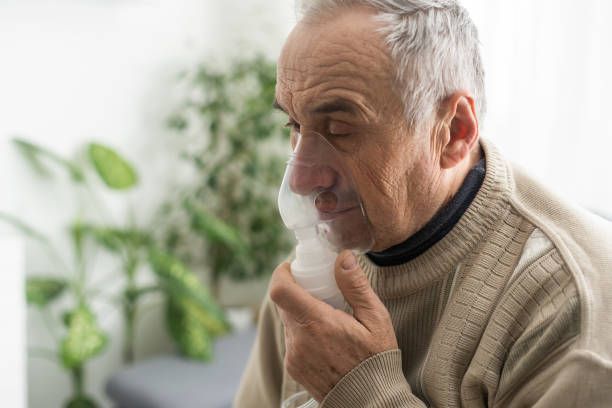
According to Health Central, chronic obstructive pulmonary disease (COPD) is a chronic inflammatory lung disease that causes breathing difficulties, mainly due to the narrowing of the airways, as well as other symptoms including cough, wheezing, and fatigue. According to the World Health Organization (WHO), COPD is the third leading cause of death worldwide, causing more than 3 million deaths annually.
What is Chronic Obstructive Pulmonary Disease (COPD)?
Chronic Obstructive Pulmonary Disease (COPD) is caused by long-term damage to the lungs—most commonly from cigarette smoking, secondhand smoke, and exposure to environmental irritants—and this damage gradually narrows the airways and destroys lung tissue responsible for oxygen exchange. While smoking is the leading cause, COPD can also develop from years of inhaling air pollution, dust, chemical fumes, workplace exposure to industrial pollutants, or indoor irritants like wood-burning stoves and poorly ventilated cooking smoke. Genetics also play a role: people with alpha-1 antitrypsin deficiency, a hereditary condition, are at higher risk even if they have never smoked. Repeated respiratory infections, chronic inflammation, and ongoing exposure to triggers accelerate lung decline and increase the chances of developing COPD. Understanding these causes helps families recognize risk factors early and take steps to protect lung health and prevent progression.
Chronic Obstructive Pulmonary Disease (COPD) is one of the most common - and most misunderstood chronic illnesses affecting older adults. When a family member is diagnosed, one of the first questions people quietly ask themselves is:
“How long can someone live with COPD?”
The truth is that life expectancy with COPD varies widely, depending on the stage of the disease, lifestyle factors, overall health, flare-ups, and how much support a person receives at home. Many seniors with COPD continue living for years—often far longer than families expect—especially when the condition is managed carefully.
At 7 Day Home Care, we help countless New York families support loved ones with COPD, and we’ve created this guide to help you understand what affects life expectancy, what symptoms to watch for, and how the right home care can meaningfully improve quality of life.
What Determines Life Expectancy With COPD?
Life expectancy with COPD depends on factors such as disease stage, lung function (FEV1 score), smoking history, frequency of flare-ups, overall health conditions, oxygen levels, and whether the person receives proper medical care and home support. Many people live 5–20+ years after diagnosis depending on these variables.
Understanding the Stages of COPD and How They Affect Life Expectancy
COPD is typically measured using the GOLD staging system, which classifies the disease from Stage 1 (mild) to Stage 4 (very severe) based on lung function tests.
Stage 1 COPD (Mild)
- Many people don’t realize they have COPD yet
- Minimal breathing limitations
- Life expectancy often near normal with treatment
- Smoking cessation makes a dramatic difference
Stage 2 COPD (Moderate)
- Persistent coughing, shortness of breath, reduced stamina
- Most people are diagnosed at this stage
- Life expectancy varies widely, but many live 10+ years
- Pulmonary rehab and medications can slow progression
Stage 3 COPD (Severe)
- Breathlessness with daily activities
- More frequent flare-ups
- Oxygen therapy often recommended
- Life expectancy depends on flare-up frequency and overall health
Stage 4 COPD (Very Severe / End-Stage)
- Severe airflow limitation
- Chronic respiratory failure may occur
- Oxygen dependence is common
- Quality support at home becomes essential
- Many individuals still live several years with proper care and symptom management
Remember: life expectancy charts are general guidelines—not personal predictions. Every person’s journey is unique.
The Factors That Most Affect Life Expectancy
1. Lung Function (FEV1 Score)
The biggest predictor. Lower lung capacity = higher risk.
2. Frequency of COPD Exacerbations
Flare-ups can rapidly worsen the disease. Preventing them is one of the most effective ways to prolong life.
3. Smoking History
Quitting at any stage can add years to someone’s life.
4. Oxygen Levels
Low oxygen increases strain on the heart.
Supplemental oxygen—when prescribed—helps protect long-term health.
5. Co-Existing Conditions
Heart disease, diabetes, and pneumonia can affect life expectancy.
6. Home Care, Rehabilitation, and Support
People with COPD live longer when they:
- eat well
- stay active
- take medications correctly
- avoid triggers
- receive help with oxygen and inhaler routines
- have consistent monitoring
This is where home care becomes life-changing.
Signs COPD May Be Progressing (and When to Seek More Help)
Families often tell us they’re unsure when COPD symptoms become “serious.”
Here are red flags:
1. Breathlessness during simple tasks
Such as getting dressed, walking to the bathroom, or talking.
2. Frequent flare-ups or infections
More than two per year is a significant warning sign.
3. Significant weight loss
COPD can increase energy demands and reduce appetite.
4. Bluish lips or fingertips
Indicates low oxygen levels.
5. Confusion or unusual fatigue
Often caused by high CO2 levels.
6. Needing oxygen more often
Or being unable to maintain saturation levels without assistance.
If any of these appear, it may be time for additional home support or a change in the care plan.
Can Someone With COPD Live Longer With the Right Care?
Yes. Absolutely.
Research shows that the right combination of medical care, lifestyle adjustments, and home support can dramatically improve both lifespan and quality of life.
Seniors with COPD tend to live longer when they have:
- Help managing medications and inhalers
- Assistance avoiding triggers and infections
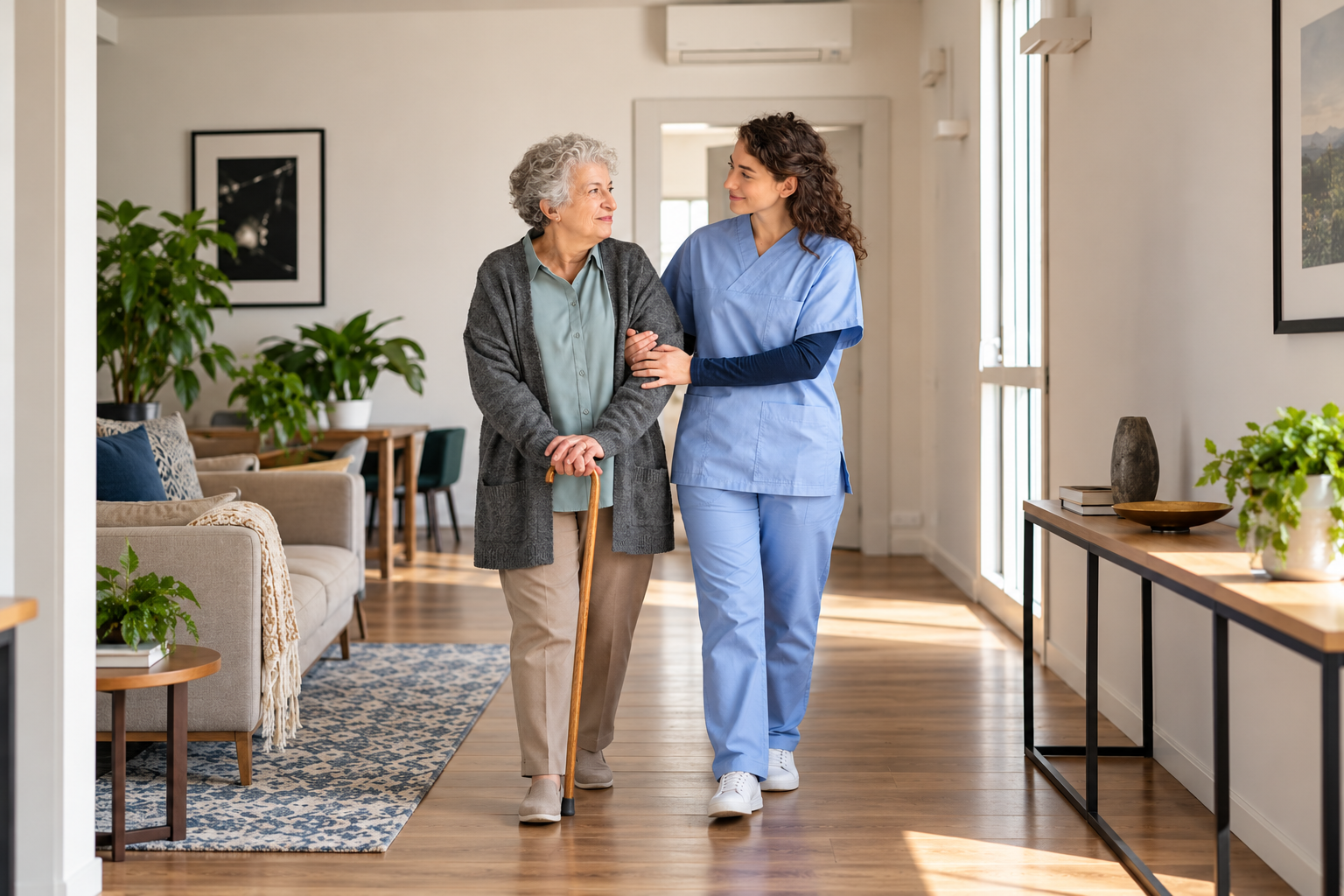
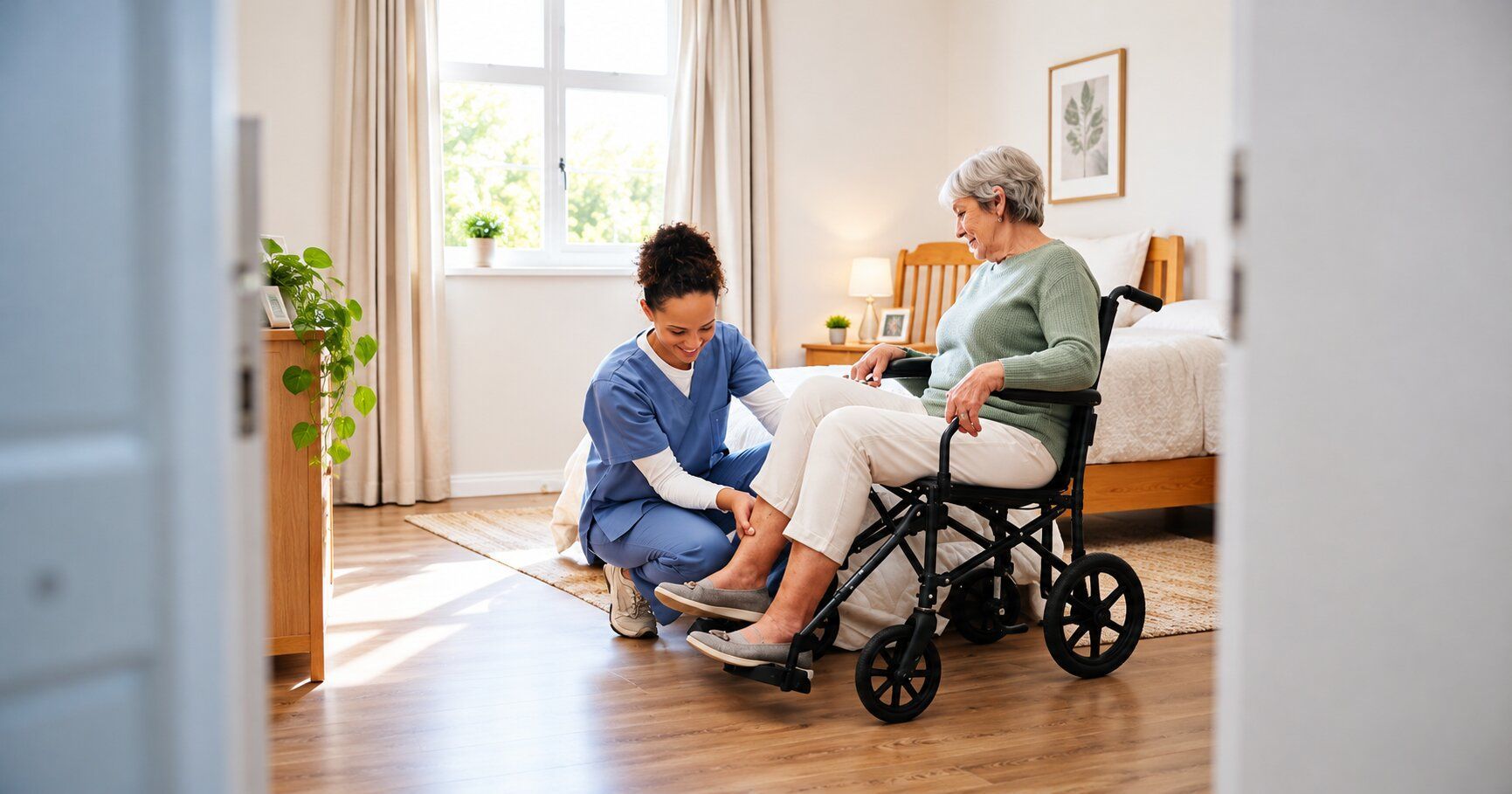
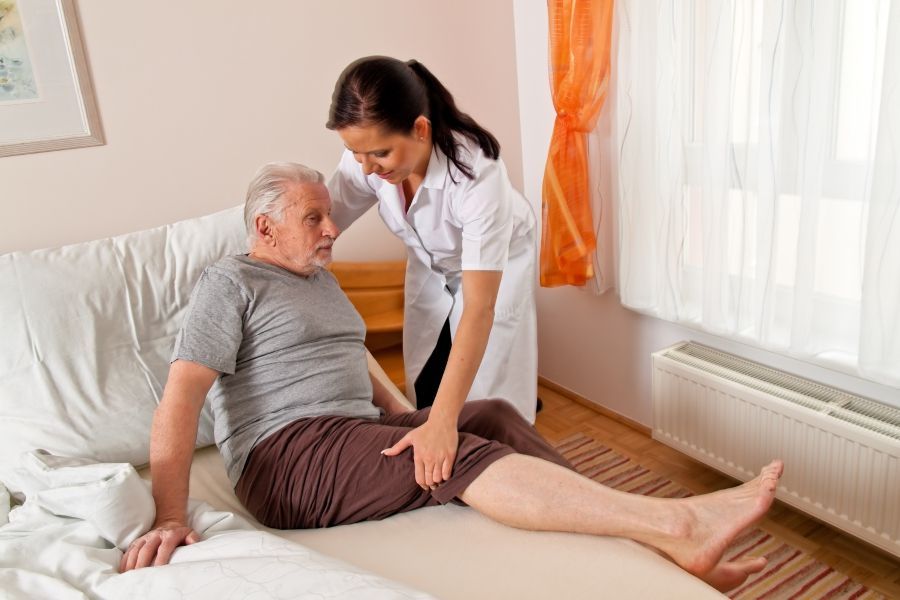
- Support with bathing, dressing, and mobility
- Balanced meals that support lung health
- Companionship to reduce isolation
- Someone monitoring symptoms and oxygen needs
- Help getting to doctor appointments
- A clean, safe home environment free of irritants
Families often see fewer ER visits, fewer flare-ups, improved comfort, and better daily functioning once home care is in place.
How 7 Day Home Care Helps Seniors With COPD Live Safely at Home
At 7 Day Home Care, we specialize in supporting older adults living with chronic conditions like COPD. Our certified Home Health Aides provide:
✔ Respiratory-safe home support
Including help avoiding dust, allergens, smoke, and irritants.
✔ Medication reminders & inhaler assistance
Ensuring proper timing and technique.
✔ Oxygen safety support
Monitoring tubing, refills, and safe mobility with oxygen.
✔ Bathing, dressing, and mobility assistance
Reducing breathlessness and preventing falls.
✔ Meal preparation for lung health
High-protein, nutrient-dense meals to prevent muscle loss.
✔ Continuous monitoring for flare-ups
We alert families and physicians at the first sign of worsening symptoms.
✔ Companionship and emotional support
Breathing difficulties are frightening—nobody should face them alone.
✔ 24-hour care or hourly support
Depending on your loved one’s needs.
Families regularly tell us that having a trained caregiver “gave us our life back” and helped their loved one stay out of the hospital.
Frequently Asked Questions About COPD Life Expectancy
What is the average life expectancy for someone with COPD?
There is no single number. Many people live 5–20+ years after diagnosis depending on stage, flare-ups, oxygen levels, and lifestyle habits.
Does COPD always get worse?
COPD is progressive, but the speed of progression can be slowed with proper care, medications, and lifestyle changes.
Is end-stage COPD painful?
It is often distressing due to breathlessness, but proper symptom management, oxygen therapy, and home care can greatly reduce discomfort.
Can someone with COPD live alone?
In mild cases, yes—but as the disease progresses, home care becomes essential for safety, oxygen management, and preventing flare-ups.
You Don’t Have to Navigate COPD Alone
If your loved one has COPD, you’re not just dealing with a medical condition—you’re managing the daily reality of breathing difficulties, fatigue, flare-ups, and constant worry. 7 Day Home Care is the top private pay and long term care insurance in-home care services provider throughout Manhattan, Long Island, NYC, Queens, and Brooklyn, New York, offering peace of mind to families who want trusted, consistent support for their loved ones. Call 7 Day Home Care today at 516-408-0034 for a free consultation.
Brian Callahan
7 Day Home Care