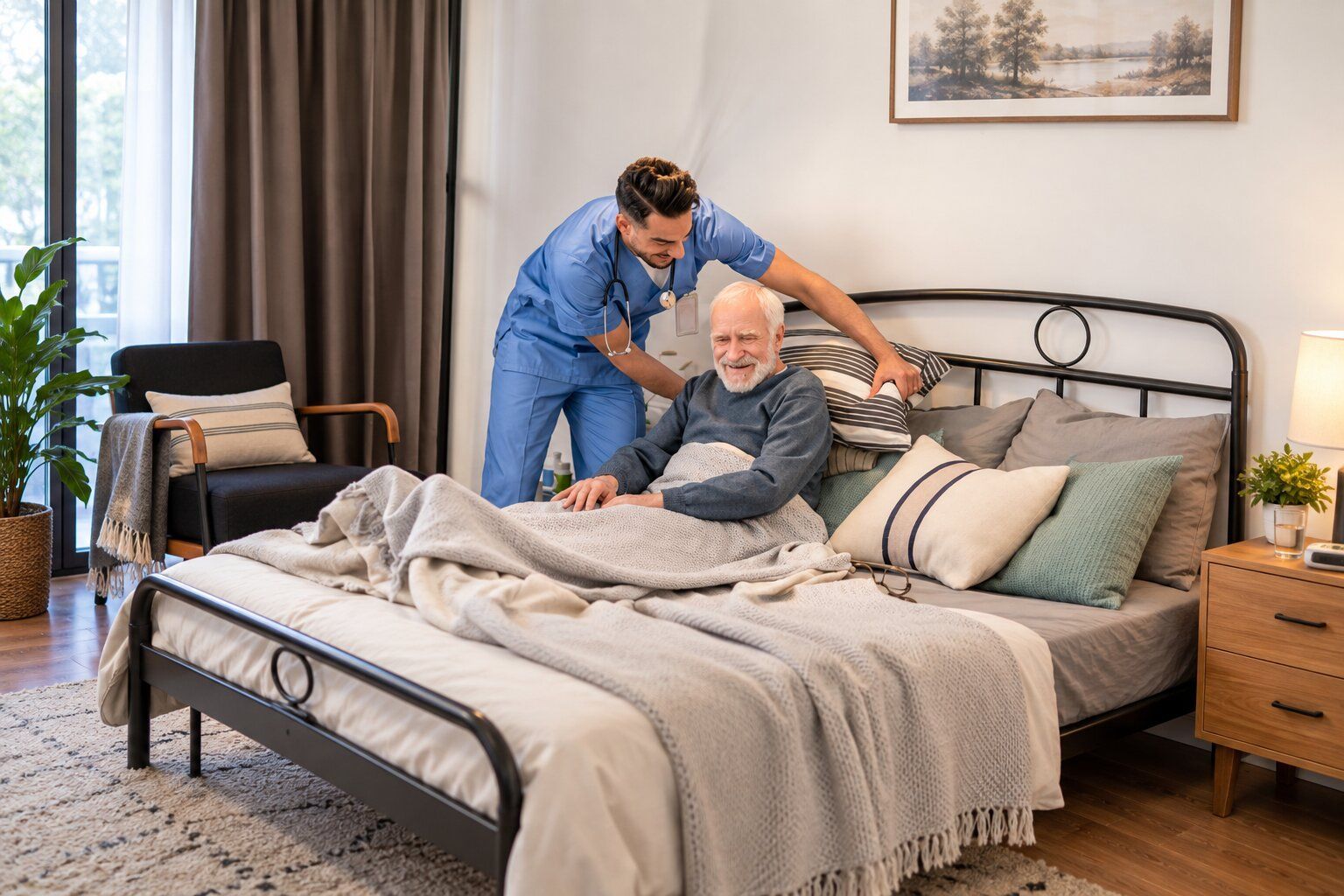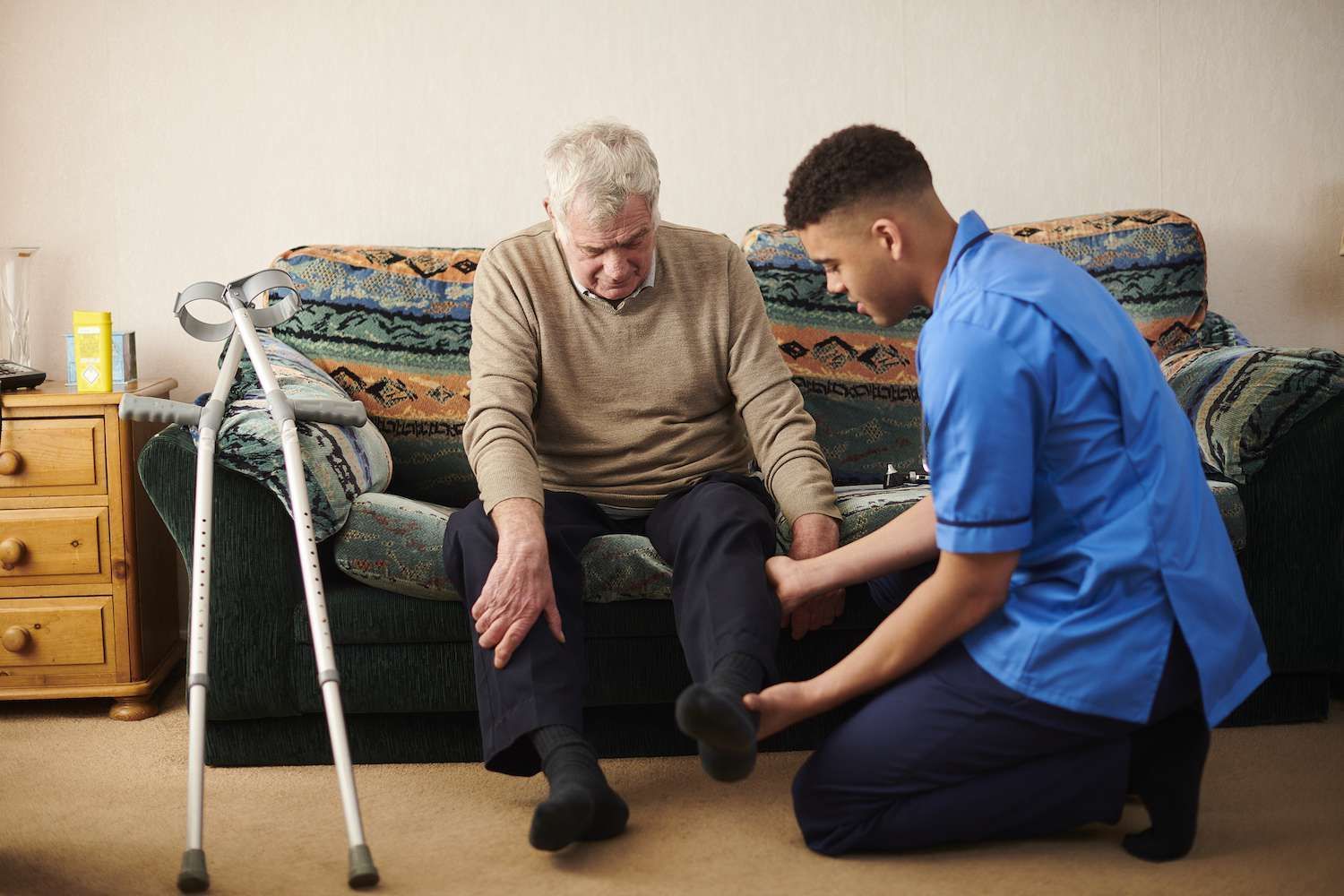
Home Care After West Village Rehabilitation and Nursing Center in NYC

Brian Callahan 7 Day Home Care • November 25, 2025

Who Do I Call for Home Care Help After Discharge From West Village Rehabilitation and Nursing Center in NYC?

7 Day Home Care is the top home care provider for families whose loved ones are being discharged from West Village Rehabilitation and Nursing Center, located at 214 West Houston Street, New York, NY 10014. With years of experience helping seniors return safely home after a rehab stay, our certified Home Health Aides deliver exceptional post-rehabilitation support—mobility assistance, fall prevention, medication reminders, personal care, meal preparation, and continuous safety monitoring—designed to maintain the progress made at rehab. Our hyper-local team serves the entire West Village, Greenwich Village, SoHo, Tribeca, and all of Manhattan, making 7 Day Home Care the trusted choice for families seeking reliable, compassionate, and professional home care after West Village Rehab. Families gain true peace of mind knowing their loved one is safe, supported, and cared for by New York City’s leading post-rehab home care agency. Call 516-408-0034 for immediate help or for a free consultation today.
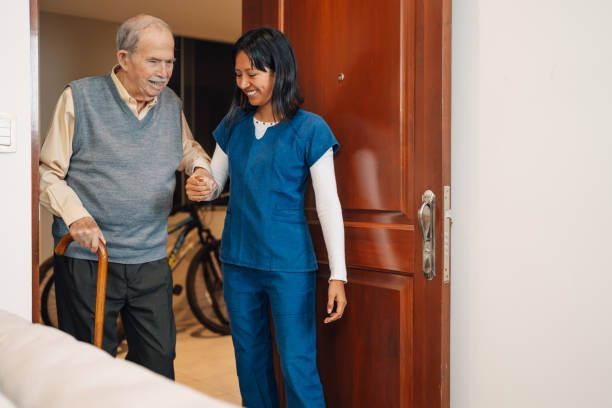
Caregiver assisting an older person with a cane through a doorway.

What Is the Best Home Care Provider After West Village Rehabilitation and Nursing Center?


7 Day Home Care is Manhattan's leading home care provider for patients discharged from West Village Rehabilitation and Nursing Center. We specialize in post-rehabilitation transitions with certified Home Health Aides, 24/7 availability, and same-day service starts throughout the West Village, Greenwich Village, Chelsea, Tribeca, and all Manhattan neighborhoods.


Understanding Post-Rehab Home Care Needs


What Type of Care Do Patients Need After Leaving West Village Rehabilitation?

Patients transitioning home from West Village Rehabilitation and Nursing Center typically require:


Physical Support:

  • Mobility assistance and safe walking guidance
  • Fall prevention monitoring
  • Transfer assistance (bed, chair, toilet, shower)
  • Physical therapy exercise supervision


Daily Living Assistance:

  • Bathing and personal hygiene support
  • Dressing and grooming help
  • Medication reminders and management
  • Meal preparation and feeding assistance


Safety Services:

  • 24-hour supervision options
  • Cognitive support for stroke or dementia patients
  • Medical appointment transportation
  • Emergency response coordination


How Long Is Home Care Needed After Rehabilitation?

Most patients require intensive home care for 2-6 weeks post-discharge, with gradual reduction as independence returns. Our care plans adjust weekly based on recovery progress and physician recommendations.


Why Choose 7 Day Home Care for Post-Rehab Transitions


Specialized Rehabilitation Discharge Expertise

We coordinate care for hundreds of families each year whose loved ones leave short-term rehabilitation facilities across Manhattan and the New York City Metropolitan area, with extensive experience specifically supporting West Village Rehabilitation and Nursing Center discharges.


Our team understands:

  • Discharge protocols and documentation
  • Physical therapy continuation - Monitoring requirements
  • Occupational therapy home safety recommendations
  • Common post-surgical and post-stroke care needs
  • Insurance coordination and billing procedures


Local Manhattan Coverage


Service Areas Near West Village Rehabilitation and Nursing Center include:

  • Hudson Street
  • Greenwich Street
  • Bleecker Street
  • Perry Street
  • West 11th Street
  • Christopher Street
  • West 12th Street
  • Washington Street


Full Manhattan Coverage:

  • West Village & Greenwich Village
  • SoHo & Tribeca
  • Chelsea & Flatiron
  • Upper East Side & Upper West Side
  • Midtown & Downtown Manhattan


Our caregivers arrive same day for urgent needs and understand Manhattan building requirements including walk-ups, doorman protocols, and elevator access procedures.


Certified, Experienced Home Health Aides

Every 7 Day Home Care Aide Provides:

✓ New York State Home Health Aide certification
✓ Post-rehabilitation care experience and specialization
✓ Registered Nurse supervision and oversight
✓ Background checks and general liability and workers compensation insurance
✓ Ongoing training in mobility, safety, and ADLs
✓ Dementia and stroke care training


Flexible Care Schedules Available Immediately

Service Options:


  • Hourly Care: 4-12 hours daily (minimum 4-hour shifts)
  • Overnight Care: 8, 10 and 12 hour night supervision
  • 24/7 and Live-In Care: Round-the-clock support
  • Respite Care: Temporary relief for family caregivers


Start times: Same-day or next-day in most cases, including weekends and holidays.


Our 4-Step Smooth Discharge Process From West Village Rehabilitation and Nursing in NYC


Step 1: Pre-Discharge Coordination (2-5 Days Before)

We contact the discharge planning team at West Village Rehabilitation and Nursing Center to review:

  • Physician orders and medication changes
  • Physical therapy and occupational therapy recommendations
  • Mobility restrictions and safety precautions
  • Required medical equipment (walker, wheelchair, shower chair)
  • Follow-up appointment schedules


Step 2: Free Home Safety Assessment

Our Registered Nurse visits the patient's home to evaluate:


Fall Risk Assessment:

  • Remove tripping hazards (rugs, cords, clutter)
  • Install grab bars in bathrooms
  • Improve lighting in hallways and stairs
  • Secure furniture for transfer support
  • Mark step edges with contrasting tape


Accessibility Check:

  • Clear pathways for walker or wheelchair
  • Arrange furniture for easy navigation
  • Set up bedside commode if needed
  • Organize medications for easy management
  • Position phone and emergency contacts


Step 3: Caregiver Matching & Introduction

We assign a Home Health Aide based on:

  • Clinical needs and rehabilitation type
  • Personality compatibility
  • Language preference (English, Spanish, Russian, Mandarin, others available)
  • Schedule requirements
  • Special skills (dementia care, stroke recovery, cardiac rehabilitation)


The caregiver meets the patient at home on discharge day or beforehand at the facility when possible.


Step 4: Ongoing Care Management & Adjustments


Weekly Check-Ins: Our Registered Nurse supervisor contacts families to assess progress and adjust care plans.

Monthly Reviews: We coordinate with physicians and therapists to reduce or modify services as recovery progresses.

24/7 Support Line: Families can reach our care coordinators anytime for concerns, scheduling changes, or emergencies.


Common Questions About Post-Rehab Home Care


Do I Really Need Home Care After Leaving West Village Rehabilitation?


Most patients benefit significantly from home care support. Studies show that patients receiving home care after rehabilitation have:

  • 40% fewer hospital readmissions
  • 60% lower fall risk in the first month home
  • Faster return to independence
  • Better medication compliance
  • Reduced family caregiver stress


Even patients who feel "ready to go home alone" often underestimate fatigue, mobility limitations, and safety risks during early recovery.


How Quickly Can 7 Day Home Care Start After Discharge?

In most cases, same day or within 24 hours. For planned discharges with 2-3 days notice, we typically start the same day the patient arrives home.


For last-minute or Friday afternoon discharges, we maintain weekend coverage and can often accommodate same-day requests, though caregiver selection may be more limited.


Do Your Caregivers Follow the Therapy Plan From the Rehab Facility?

Yes, exactly. Our Home Health Aides receive detailed instructions from the rehabilitation team including:


  • Physical therapy exercises to monitor as appropriate
  • Mobility restrictions (weight-bearing status, use of assistive devices)
  • Transfer techniques taught during rehab
  • Occupational therapy strategies for daily activities
  • Safety precautions specific to the patient's condition
  • We can communiate with your therapist


This ensures seamless continuity of care and helps patients maintain the progress achieved during their rehab stay.


What If My Loved One's Needs Change After Starting Care?

We adjust immediately. Care plans are flexible and can be modified within 24-48 hours for:


  • Increased or decreased hours
  • Different shift times
  • Caregiver changes
  • Additional services
  • Transition to less intensive care


Most patients need maximum support for the first 1-3 weeks, then gradually reduce hours as strength and independence return.


Do You Serve All Manhattan Neighborhoods?

Yes. While we specialize in the West Village area surrounding West Village Rehabilitation and Nursing Center, we serve all Manhattan neighborhoods including:


Downtown: Financial District, Battery Park City, Civic Center
Midtown: Hell's Kitchen, Turtle Bay, Murray Hill, Gramercy

Upper Manhattan: Upper East Side, Upper West Side
Outer Boroughs: Brooklyn, Queens


What Makes 7 Day Home Care Different From Other Agencies?


We Specialize in Post-Rehabilitation Care

Unlike general home care agencies, post-rehabilitation transitions are our core expertise. Our caregivers receive specialized training in:


  • Post-surgical care and observation
  • Stroke recovery support and cognitive rehabilitation
  • Orthopedic care after hip/knee replacement
  • Cardiac rehabilitation protocols
  • Fall risk assessment and prevention
  • Physical therapy exercise supervision
  • Alzheimer's and dementia care


Registered Nurse Supervision for Every Client

Every patient receives:

  • Initial RN assessment at the start of service
  • RN supervisory visits
  • 24/7 RN on-call support
  • Care plan reviews and adjustments
  • Coordination with physicians and therapists


This clinical oversight ensures safety, quality, and appropriate care level at every stage of recovery.


Manhattan-Based With Deep Local Knowledge

Our caregivers live and work in Manhattan. They understand:

  • Building access requirements and doorman protocols
  • Elevator and walk-up logistics
  • Neighborhood resources (pharmacies, medical suppliers, hospitals)
  • Transportation options (taxi, Access-A-Ride, Uber)
  • Local physician networks and preferred hospitals


Transparent Pricing With No Hidden Fees


What you pay includes:

  • Caregiver wages
  • Agency administrative costs
  • General Liability insurance
  • Background checks and certifications
  • RN supervision
  • 24/7 coordinator support
  • Emergency backup coverage
  • Workers Compensation Insurance
  • Disability Insurance
  • All payroll taxes
  • Health Insurance


No additional charges for:

  • Initial consultations
  • Care plan adjustments
  • Caregiver changes
  • Weekend service
  • Credit card processing


Client Success Stories: Real Families, Real Results


Margaret's Story: Hip Replacement Recovery in West Village

"My mother was terrified to come home after hip surgery at West Village Rehabilitation. 7 Day Home Care sent Maria, who helped her walk safely, shower without fear, and regain confidence. Within 5 weeks, Mom went from needing 12-hour care to just 6 hours daily for errands and meals. She's back to her independent self."
— Susan, Daughter & Caregiver, West Village


Robert's Story: Stroke Recovery in Greenwich Village

"After my husband's stroke, I didn't know how we'd manage at home. The caregiver from 7 Day followed the Plan of Care, helped with his exercises, and caught early signs of depression that we addressed with his doctor. The RN checked in and adjusted the care plan as Robert improved."
— Patricia, Wife & Caregiver, Greenwich Village


Eleanor's Story: Cardiac Rehabilitation in Chelsea

"I was discharged from West Village Rehabilitation on a Wednesday afternoon. 7 Day Home Care had an aide at my apartment - waiting my arrival to make my transition home as easy and safe as possible. Shortly thereafter, the 7 Day Home Care nurse visited to assess me and create a care plan. She understood all my issues, knew what to watch for, and made me feel safe. Having that support the first few weeks made all the difference."
— Eleanor, Patient, Chelsea


Ready to Start Home Care After West Village Rehabilitation?


Schedule Your Free Consultation Today


Three Easy Ways to Get Started:

1. Call Us: 516-408-0034
Speak with a care coordinator 24/7, including weekends and holidays.


2. Visit Our Website: www.7dayhomecare.com
Complete our online assessment form for a callback within 2 hours.


3. Email Us: info@7dayhomecare.com
Send discharge paperwork and questions for a detailed care plan proposal.


What Happens During Your Free Consultation?

15-30 minute phone conversation with an experienced care coordinator
Review of discharge instructions and rehabilitation recommendations
Discussion of care needs (mobility, ADLs, medical tasks, schedule)
Caregiver matching based on skills, personality, and availability
Transparent pricing with written estimate and no hidden fees
Insurance verification if applicable
Home safety assessment scheduled if needed


No obligation. No pressure. Just honest guidance from Manhattan's most trusted home care provider.


About 7 Day Home Care

7 Day Home Care has served Manhattan families for many years, providing compassionate, professional home care services with a focus on post-rehabilitation transitions, elderly care, and chronic condition management.


Our Mission: To help patients recover safely at home with dignity, independence, and the highest quality support. 7 Day Home Care is the top private pay and long term care insurance in-home care services provider throughout Manhattan, Long Island, NYC,  Queens, and Brooklyn, New York, offering peace of mind to families who want trusted, consistent in-home care after a stay at West Village Rehabilitation and Nursing Center in NYC. Please call 516-408-0034 for a free consultation.


Brian Callahan

7 Day Home Care
By Brian Callahan January 9, 2026
Living With Stage 3 Kidney Disease: Life Expectancy Explained
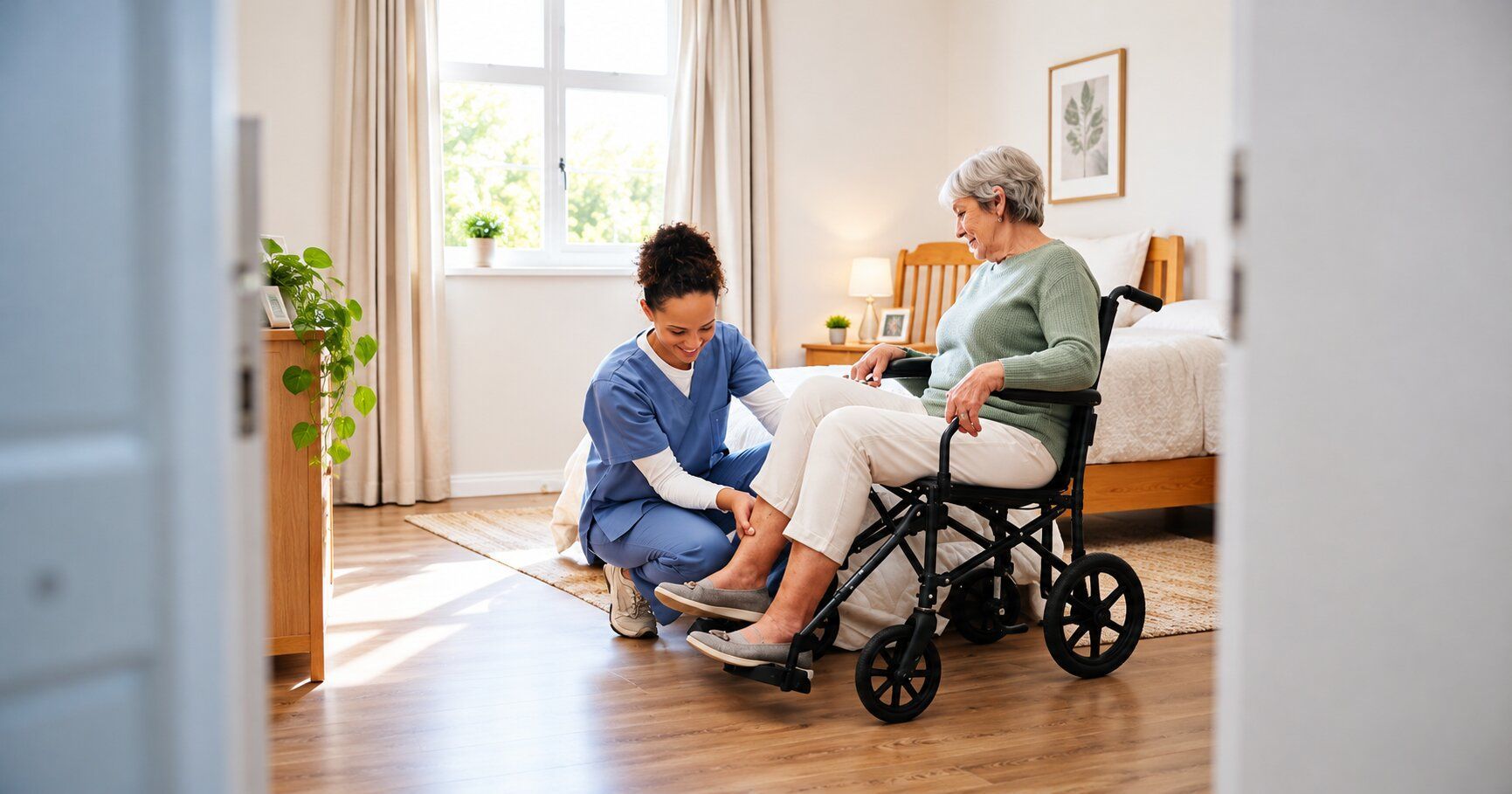
A healthcare worker assists an elderly person using a walker in a care facility.
By Brian Callahan January 6, 2026
Heart stroke recovery is fragile for seniors. Learn common challenges at home, hidden risks, and when professional home care support is truly needed.
By Brian Callahan January 3, 2026
Life After Hospital Discharge: How Stroke Changes Everyday Life at Home
home care helps
By Brian Callahan December 26, 2025
Learn how in-home care helps seniors with Parkinson’s stay safe, independent, and comfortable at home by supporting daily routines, mobility, and dignity.
By Brian Callahan December 25, 2025
The Quiet Problem Many Families Miss For many families, aging looks like a slow, expected change. A little more tired than before. Slight aches in the knees. Moving a bit slower around the house. These things are often brushed off as “normal old age.” But in reality, many seniors are dealing with something deeper — Vitamin D deficiency — without anyone realizing it. What makes Vitamin D deficiency especially concerning is how quietly it affects older adults. There is no sudden emergency. No dramatic warning sign. Instead, it shows up in small, everyday ways: low energy, weak legs, balance issues, or a fear of going outside. Over time, these changes can reduce independence and increase the risk of falls, fractures, and long recovery periods. Families providing care at home NYC , or those supporting loved ones through home health care in Brooklyn , Manhattan, or Long Island, often see these signs but may not connect them to a nutritional deficiency. This guide is meant to help families understand what Vitamin D deficiency really looks like in older adults — and why it matters so much in daily life. What Is Vitamin D and Why Does It Matter So Much for Seniors? Vitamin D plays a key role in keeping the body strong and balanced. It helps the body absorb calcium, supports muscle function, and contributes to overall bone health. It also plays a role in immune strength and mood regulation. For younger adults, Vitamin D often comes from a combination of sunlight, food, and supplements. But as people age, this balance changes. Why Older Adults Are at Higher Risk Several age-related factors make seniors more vulnerable to Vitamin D deficiency: Less sunlight exposure: Many older adults spend more time indoors, especially in cities like New York where winters are long and outdoor mobility can be limited. Reduced skin efficiency: Aging skin is less effective at producing Vitamin D from sunlight. Digestive changes: The body becomes less efficient at absorbing nutrients from food. Chronic conditions or medications: Certain health issues and medications can interfere with Vitamin D absorption. For seniors receiving support through manhattan home care or from home health agencies in Long Island , these factors often overlap, increasing the risk even further. Hidden and Commonly Ignored Symptoms of Vitamin D Deficiency
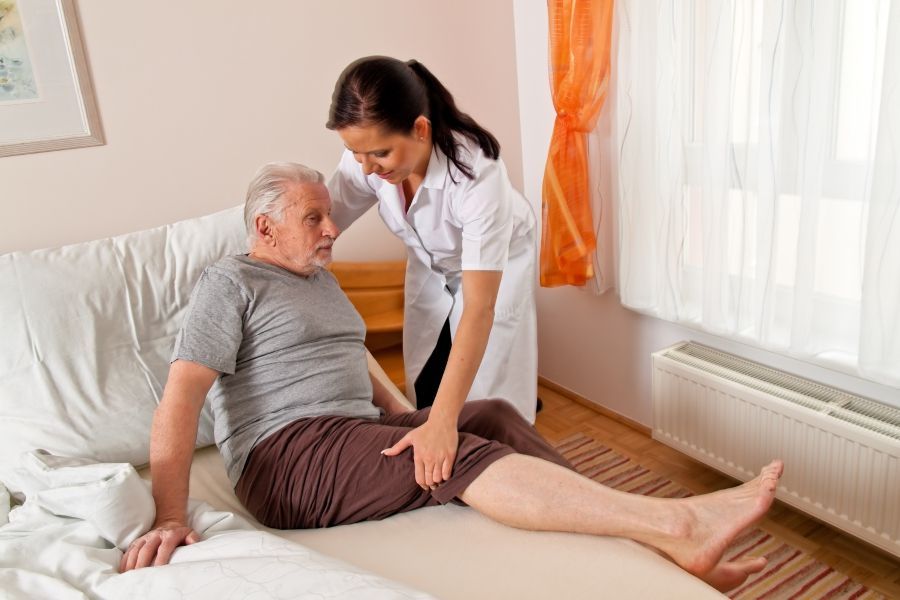
Woman in blue scrubs assists older person using a walker in a light-filled room.
By Brian Callahan 7 Day Home Care December 24, 2025
Need home care covered by MassMutual Long-Term Care Insurance? 7 Day Home Care is New York’s top provider, offering fast benefit activation and #1l in-home support.
dementia care
By Brian Callahan December 20, 2025
Late-stage dementia care at home in Manhattan. Professional caregivers help keep your loved one safe, comfortable, and cared for.
By Brian Callahan December 18, 2025
A stroke doesn’t just affect the body — it disrupts an entire life. For many families, the most frightening part doesn’t happen during the emergency itself, but after the hospital discharge, when doctors say, “You can take them home now.” That moment often brings more questions than relief. How will they walk again? Will their speech improve? What if they fall? What if something goes wrong at night? Stroke recovery is not a short-term event. It is a long, uneven process that requires patience, structure, and consistent care. While hospitals and rehabilitation centers handle the acute phase, the real recovery happens at home — where routines are rebuilt and independence is slowly regained. This is why professional post-stroke home care services have become essential for families trying to manage recovery safely and realistically. Across New York, families searching for home care in East Meadow , Home Health Care Service Oceanside , or a reliable Home Care Agency in Glen Cove NY often reach the same conclusion: recovery at home is possible, but not without the right support. Providers like 7 Day Home Care exist to bridge the gap between hospital treatment and long-term stability at home. Understanding Stroke and How It Changes Daily Life A stroke occurs when blood flow to part of the brain is interrupted, depriving brain cells of oxygen. Depending on which area of the brain is affected, the consequences can vary widely — but almost always involve some loss of function. Types of Stroke and Their Impact on Recovery Ischemic strokes , caused by blood clots, are the most common and often leave survivors with weakness or paralysis on one side of the body. Hemorrhagic strokes , caused by bleeding in the brain, may involve longer recovery times and greater cognitive challenges. Regardless of type, stroke recovery is rarely predictable. Progress may come slowly, and setbacks are common. Common Physical and Cognitive Effects After a Stroke Stroke survivors may experience: Limited mobility or paralysis Difficulty speaking, understanding, or swallowing Memory and concentration problems Emotional changes such as depression, anxiety, or irritability Loss of coordination and balance These changes affect everyday activities — from getting dressed to preparing meals — making independent living unsafe without assistance. Medical Complications Families Often Miss After a Stroke One of the most common misunderstandings families have after a stroke is believing that the most dangerous phase ends once the patient is discharged from the hospital. In reality, the post-discharge period is often medically more risky than the initial emergency. Blood pressure instability, dehydration, infections, and medication inconsistencies frequently develop quietly at home without obvious warning signs. Many stroke survivors are unable to clearly recognize or communicate subtle symptoms such as head pressure, unusual fatigue, mild confusion, or changes in vision. Families may assume these are “normal parts of recovery” and unintentionally delay intervention. This is where professional, medically informed observation becomes critical — not just for daily care, but for early detection of complications before they escalate into emergencies. What Stroke Recovery at Home Really Looks Like Many families expect recovery to be straightforward once their loved one is home. The reality is more complex. Home recovery requires constant adaptation , monitoring, and emotional support. The First Few Weeks After Hospital Discharge The early recovery period is often the most fragile. Stroke survivors are adjusting to new physical limitations while families are learning caregiving responsibilities for the first time. During this phase, the risks of falls, missed medications, dehydration, and emotional distress are highest. Professional post-stroke home care during this time provides structure, reassurance, and medical awareness — helping prevent avoidable complications that often lead to hospital readmission. Long-Term Recovery and Daily Adjustment Stroke recovery does not follow a straight line. Some abilities may return, while others require long-term support. At home, progress depends on consistency, encouragement, and safe routines — all of which are difficult to maintain without trained assistance. Daily Care Needs After a Stroke Post-stroke care is deeply personal. No two recovery journeys look the same, but most survivors require help in several key areas. Mobility and Physical Assistance Weakness, paralysis, or balance issues often make walking and transfers unsafe. Caregivers assist with: Moving safely from bed to chair Walking support and fall prevention Encouraging mobility without pushing beyond limits This balance between safety and independence is critical to recovery. Personal Care and Hygiene Support Simple tasks such as bathing or dressing can become overwhelming after a stroke. Assistance with hygiene helps maintain dignity while preventing infections and skin issues. Medication Management and Health Monitoring Stroke survivors are often prescribed medications to prevent another stroke and manage blood pressure or cholesterol. Home care ensures medications are taken correctly and that any concerning symptoms are reported promptly. Nutrition, Swallowing, and Hydration Swallowing difficulties are common and can be dangerous if unmanaged. Caregivers support safe eating practices, monitor hydration, and follow dietary guidelines recommended by healthcare providers. Emotional and Cognitive Support Stroke recovery is emotionally taxing. Survivors may feel frustrated, embarrassed, or discouraged. Compassionate companionship and reassurance help rebuild confidence and reduce isolation. Safety Concerns During Stroke Recovery at Home Safety is one of the biggest reasons families seek professional support. Fall Risk and Home Hazards Limited mobility and poor balance increase the risk of falls, especially in homes not designed for recovery. Emergency Awareness and Monitoring Stroke survivors may not recognize warning signs of another stroke or be able to call for help. Continuous monitoring reduces this risk. Preventing Hospital Readmission Many stroke-related hospital readmissions are preventable. With proper home care, small issues are addressed early before becoming emergencies. How Professional Post-Stroke Home Care Services Support Recovery Professional home care transforms recovery from guesswork into a structured process. Trained Caregivers Who Understand Stroke Recovery Caregivers are trained to assist safely, recognize warning signs, and provide emotional reassurance without limiting independence. Skilled Home Health Support Depending on needs, services may include nursing care, health monitoring, and coordination with physical or speech therapists. Personalized Recovery Plans Providers like 7 Day Home Care create flexible care plans that evolve as recovery progresses, ensuring support remains appropriate at every stage. Support for Families, Not Just Patients Home care also supports families by reducing stress, providing education, and offering peace of mind. Benefits of Recovering at Home After a Stroke For many survivors, home recovery offers advantages that facilities cannot. Familiar surroundings reduce stress One-on-one attention improves safety Emotional support from family boosts motivation Lower risk of infections compared to institutional settings Post-Stroke Home Care in Cedarhurst, East Meadow, Glen Cove, and Oceanside Families often first encounter stroke through emergency services or urgent care in Cedarhurst NY , but recovery extends far beyond urgent treatment. Those seeking home care in East Meadow , Home Care Agency in Glen Cove NY , or Home Health Care Service Oceanside benefit from providers who understand local healthcare systems and home environments. 7 Day Home Care serves families across these communities, offering consistent, compassionate post-stroke care tailored to both urban and suburban living situations. When Families Should Seek Professional Home Care Delaying care often leads to burnout or emergencies. Signs It’s Time for Help Frequent falls or near-falls Missed medications Increasing dependence Emotional exhaustion among family caregivers Seeking professional help is not a failure — it is a responsible decision that protects everyone involved. Frequently Asked Questions Q1.Can stroke recovery be managed at home? Yes, with professional support, many stroke survivors recover safely at home. Q2.How long does stroke recovery take? Recovery varies widely and may continue for months or years. Q3.Is home care better than rehab facilities? Home care offers personalized, one-on-one support in familiar surroundings. Q4.Does home care replace therapy? No. It supports therapy by ensuring exercises and routines are followed safely. Q5.When should families contact 7 Day Home Care? When safety, recovery progress, or caregiver well-being becomes a concern. Conclusion Stroke recovery is not just about healing the body — it’s about rebuilding daily life. With structured, compassionate post-stroke home care services, recovery at home becomes safer, more realistic, and less overwhelming for families. 7 Day Home Care provides trusted private pay and long-term care insurance–supported in-home care services across Manhattan , Long Island , NYC , Queens , and Brooklyn, New York , helping families access consistent, professional support tailored to post-stroke recovery needs. Families who would like guidance on post-stroke in-home care options can request a free consultation to discuss personalized care plans and understand the level of support available for their loved ones.
elderly man with congestive heart failure
By Brian Callahan 7 Day Home Care December 12, 2025
Learn how long you can live with congestive heart failure and what affects life expectancy. Expert guidance from 7 Day Home Care on symptoms, stages, support at home
Older person coughing, clutching chest, seated on a sofa with tissues and medicine; indoor setting.
By Brian Callahan 7 Day Home Care December 10, 2025
Learn what your FEV₁ score means, and why RN-supervised home health aides from 7 Day Home Care are essential for safe recovery from COPD, pneumonia, or surgery.
Show More