Is This the Right Time for a Home Health Aide?
Is This the Right Time for a Home Health Aide?
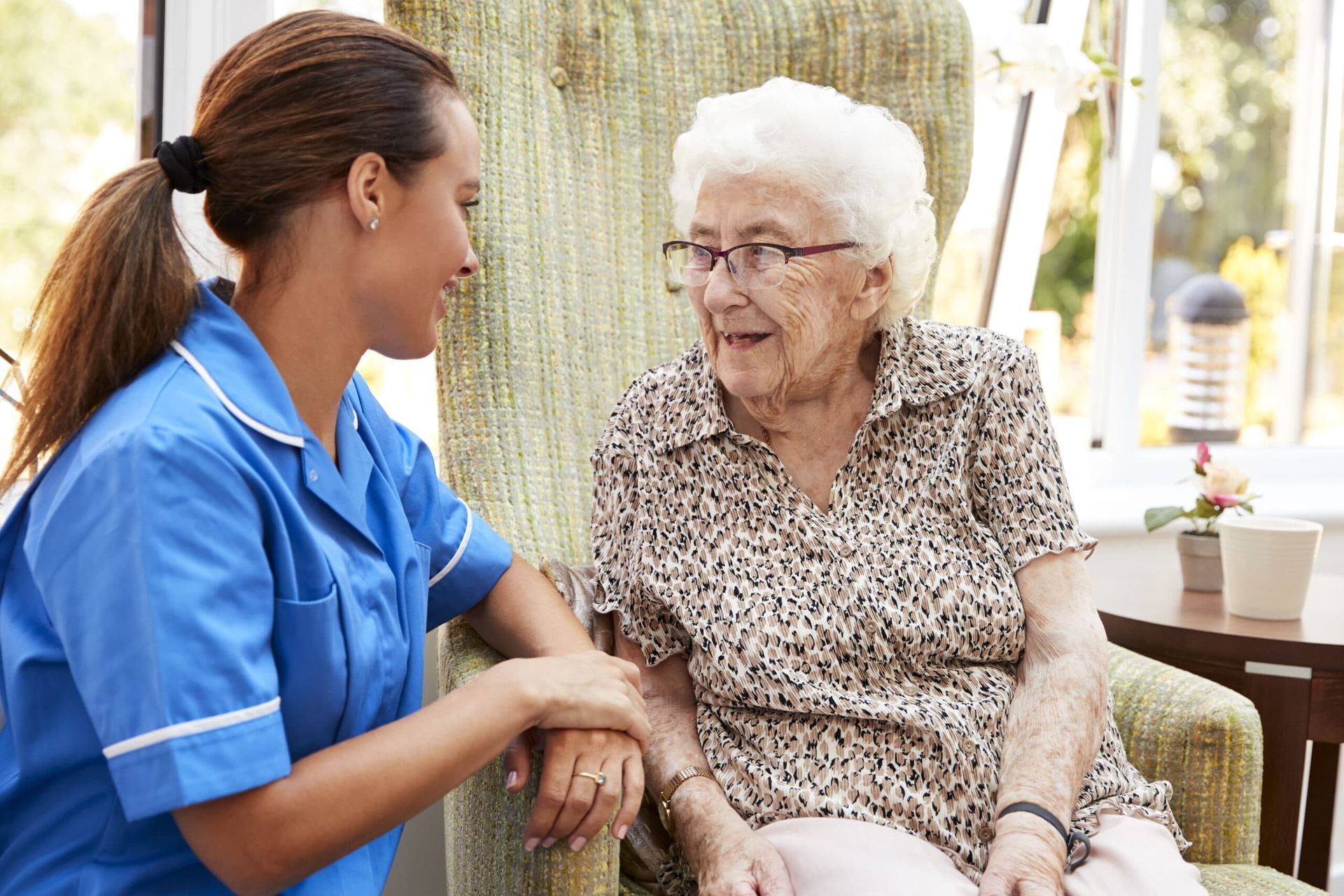
At 7 Day Home Care, we understand that deciding when to bring in a home health aide is a personal and often challenging decision. If you or a loved one is experiencing difficulty with daily tasks such as bathing, dressing, medication management, or meal preparation, or if safety concerns are growing due to mobility issues or memory lapses, it may be the right time to consider a home health aide. Our experienced HHAs provide the compassionate, professional support needed to maintain independence while ensuring comfort and safety at home. We work closely with families to create personalized care plans that address current needs and adapt as those needs change.

As the population ages, the need for home health aide services continues to grow. Many families face the challenging decision of whether it's the right time to enlist the assistance of a home health aide for their loved ones. This critical choice involves evaluating various factors, including the senior's health, safety, and overall well-being.
At 7 Day Home Care, serving Manhattan, Queens, Brooklyn, Nassau County, and Suffolk County, New York, we understand the importance of making informed decisions regarding home health aide care. In this article, we'll explore the factors that influence the decision-making process and provide you with valuable insights backed by some statistics to help you determine if now is the right time for a home health aide.
The Aging Population: A Growing Concern
The aging population in the United States is a significant demographic trend. As of 2021, the U.S. Census Bureau estimated that there were over 56 million people aged 65 and older. This number is projected to nearly double by 2060, reaching approximately 95 million. The implications of this demographic shift are profound, as it leads to an increased demand for senior care services, including home health aide care.
Signs That It Might Be Time for a Home Health Aide
While every individual's circumstances are unique, certain signs may indicate that it's time to consider a home health aide. Here are some common indicators:
1. Difficulty with Activities of Daily Living (ADLs)
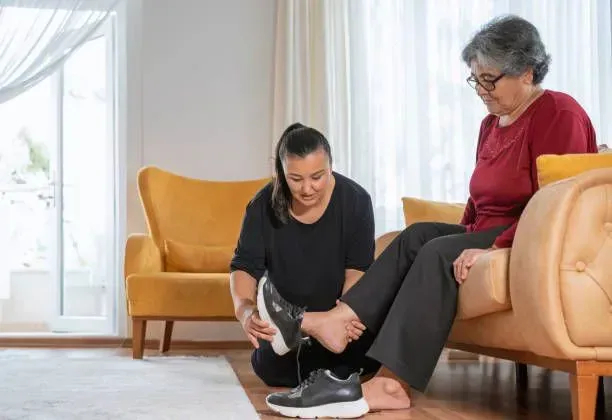
ADLs include tasks like bathing, dressing, grooming, and using the restroom. If a senior struggles with these activities, it can be a sign that assistance is needed.
2. Safety Concerns
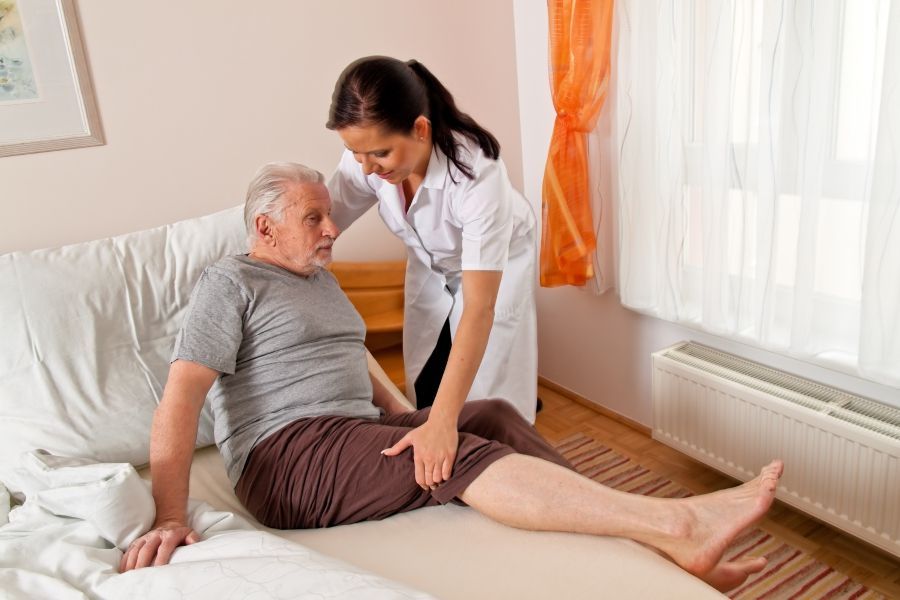
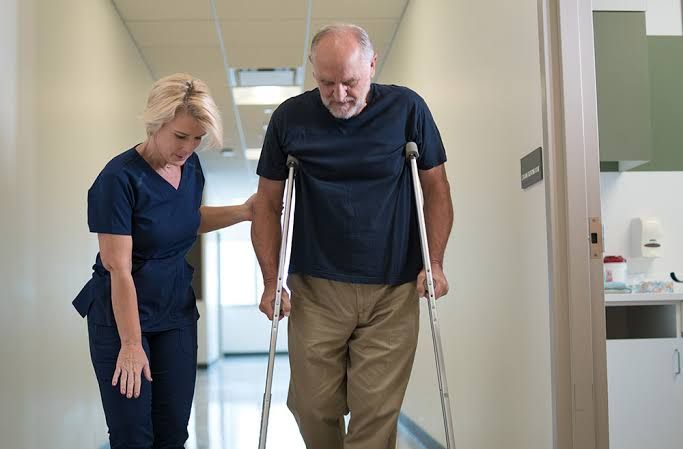
Frequent falls, accidents, or a lack of mobility can pose significant safety risks for seniors living alone. A home health aide can help prevent accidents and provide immediate assistance if needed.
3. Chronic Health Conditions
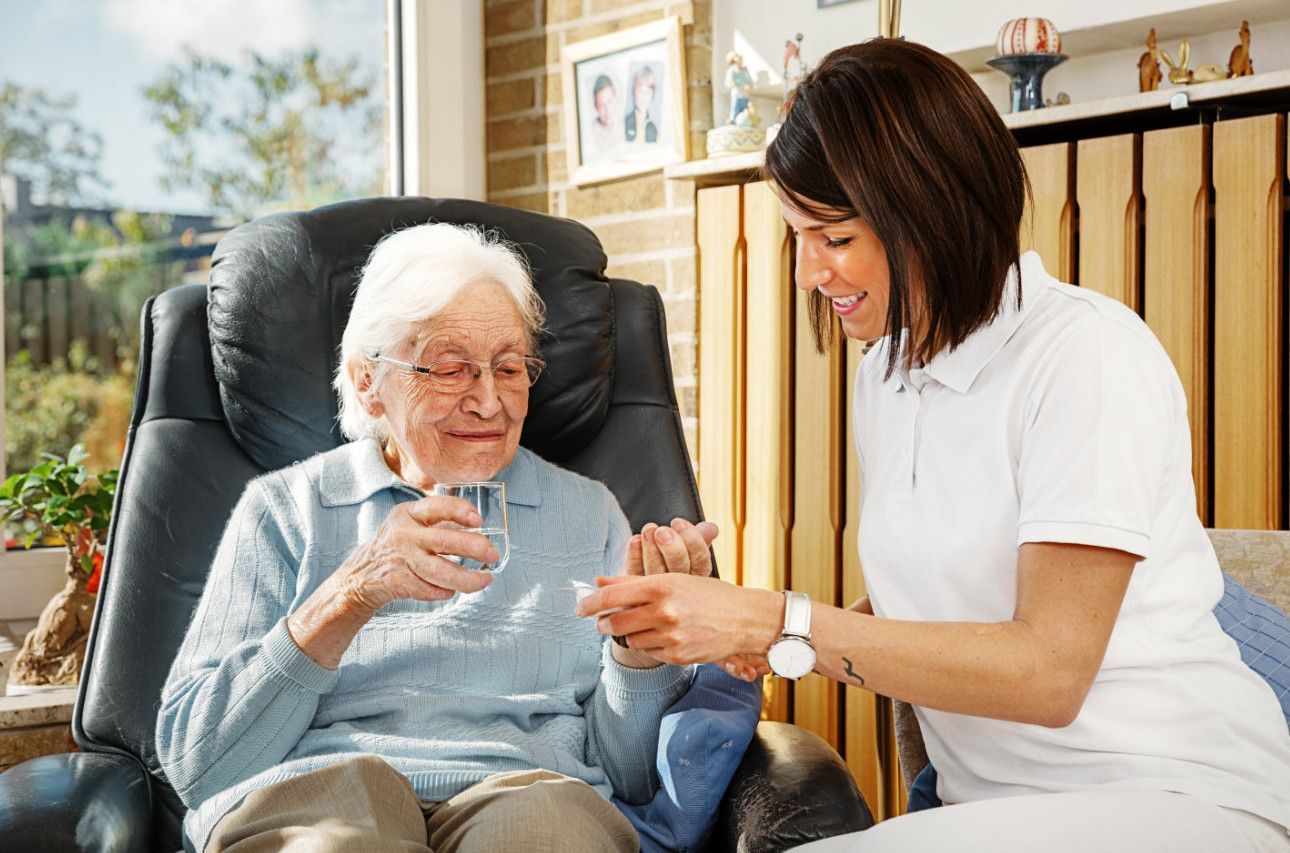
Seniors with chronic health conditions, such as diabetes, heart disease, or dementia, often require specialized care and medication management. A home health aide can provide the necessary support and monitoring.
4. Loneliness and Isolation
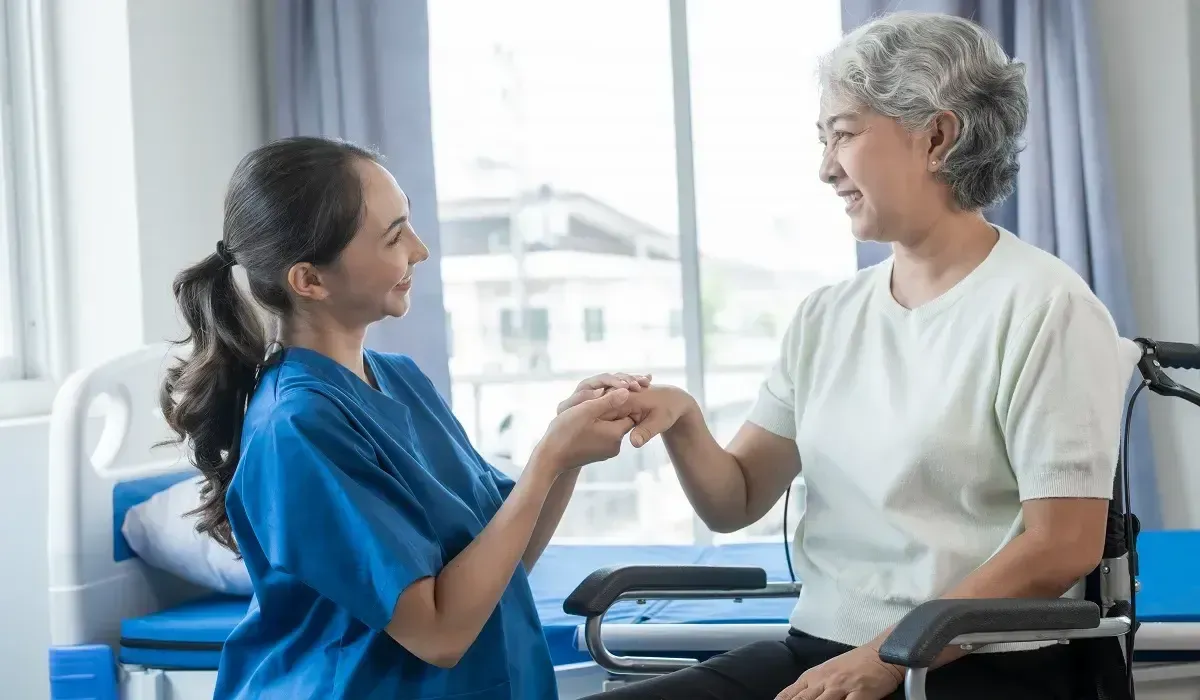
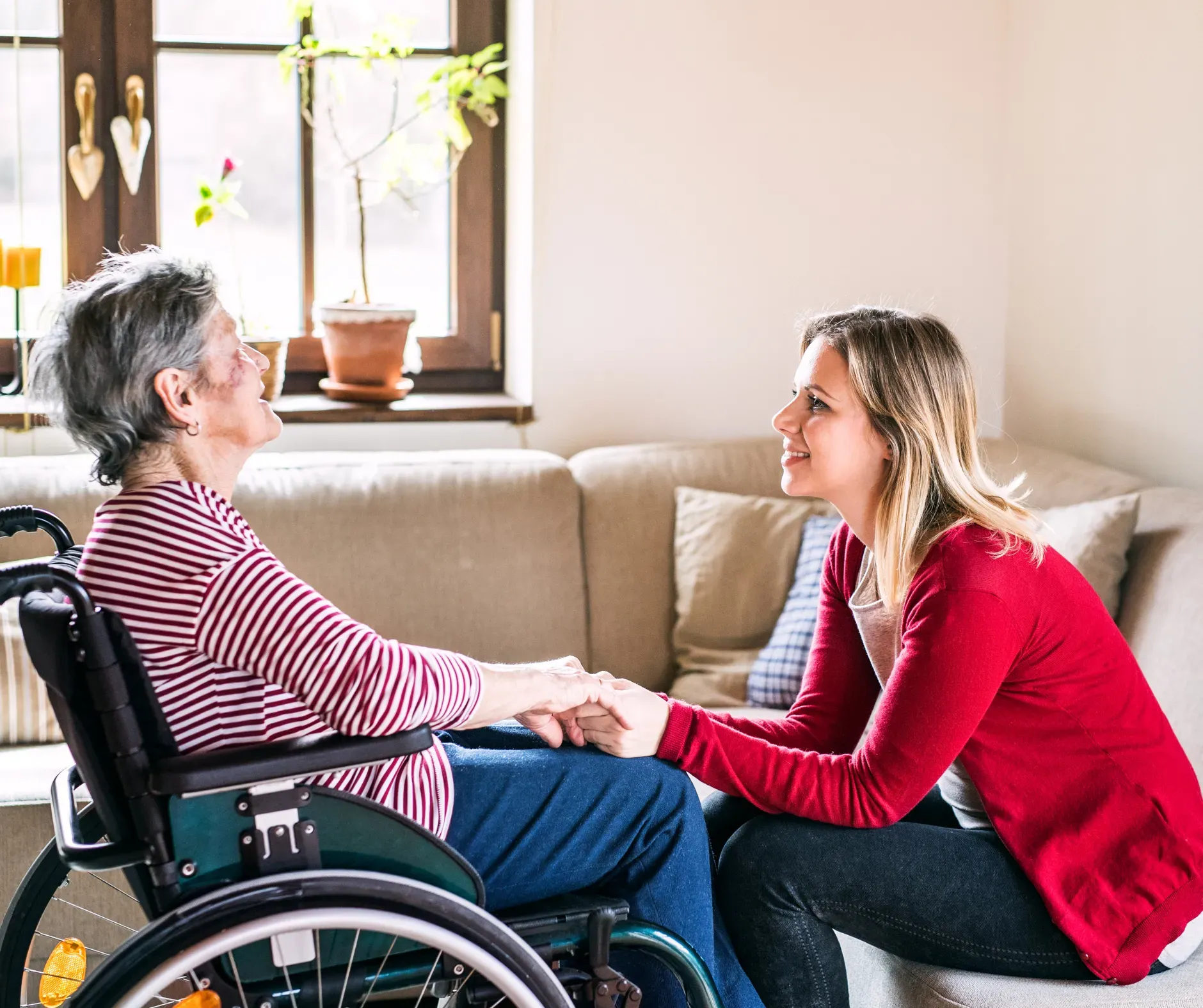
Social isolation can lead to depression and other mental health issues in seniors. A home health aide can offer companionship, reducing feelings of loneliness.
5. Family Caregiver Burnout
When family caregivers become overwhelmed or experience burnout, it may be time to seek professional assistance. A home health aide can provide respite care, allowing family members to recharge.
The Role of Home Health Aides
Home health aides play a crucial role in supporting seniors' physical and emotional well-being. Their responsibilities may include:
- Assisting with ADLs, such as bathing, dressing, and toileting.
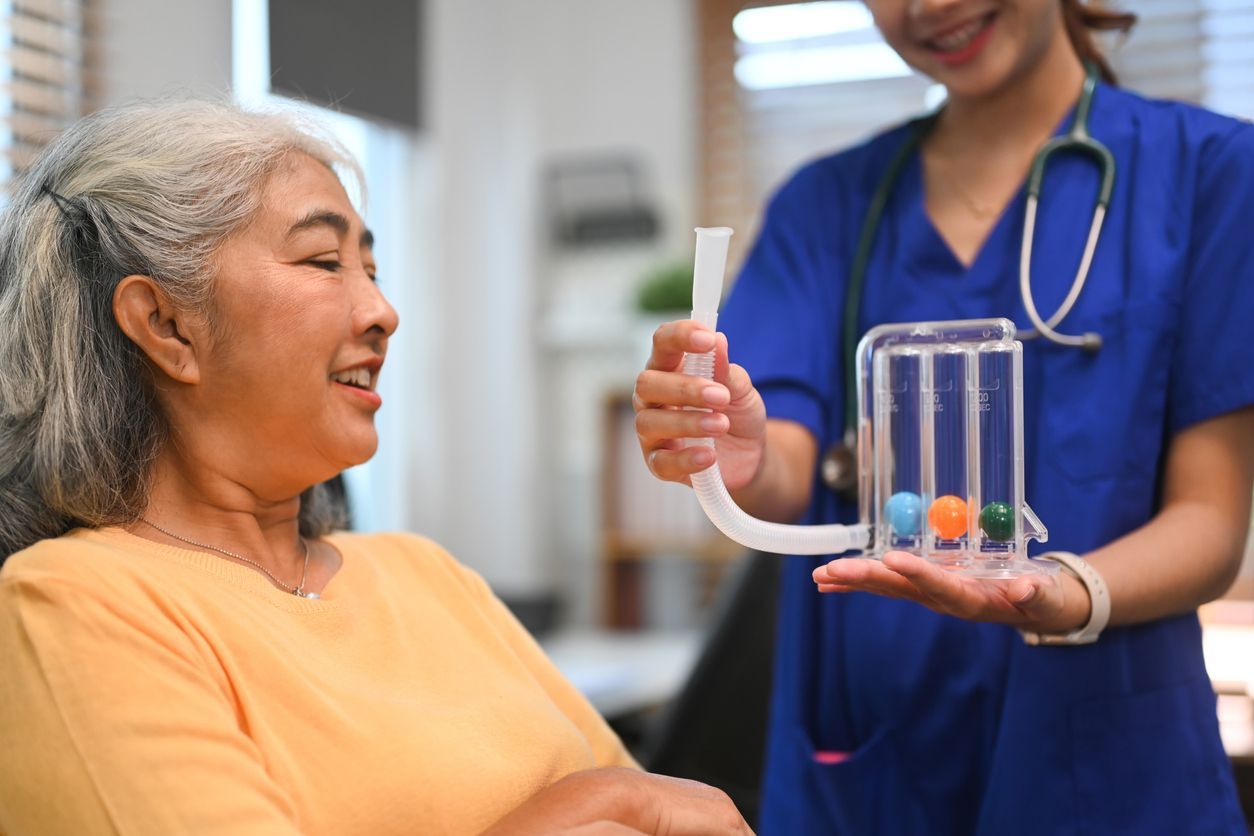
- Medication reminders and monitoring health conditions.
- Preparing nutritious meals and ensuring proper hydration.
- Providing companionship and emotional support.
- Assisting with mobility and exercises as prescribed by healthcare professionals.
- Ensuring a safe home environment by identifying and addressing potential hazards.
Benefits of Home Health Aide Care
The decision to enlist the services of a home health aide can yield numerous benefits for both seniors and their families:
1. Aging in Place
One of the primary advantages is the ability for seniors to age in place, allowing them to remain in the familiar and comfortable surroundings of their own homes.
2. Personalized Care
Home health aides provide personalized or person-centered care tailored to each individual's unique needs and preferences, ensuring a high quality of life.
3. Family Support
Families benefit from reduced caregiving burdens and peace of mind, knowing their loved ones are receiving professional care.
4. Improved Health Outcomes
Studies have shown that seniors receiving home health care often experience improved health outcomes and reduced hospital readmissions4.
5. Cost-Effective
Compared to the costs associated with institutional care, home health aide services can be a more cost-effective option.
Making the Decision
When determining if it's the right time for a home health aide, consider the following steps:
1. Assess the Senior's Needs
Evaluate the senior's physical and mental health, daily living abilities, and safety concerns. Consult with healthcare professionals for a comprehensive assessment.
2. Discuss Preferences
Engage in open and honest conversations with the senior about their preferences and desires for care.
3. Explore Funding Options
Research potential funding sources, including Medicare, Medicaid, long-term care insurance, and personal savings, to determine how home health aide services will be financed.
4. Seek Professional Guidance
Consult with a home care agency like 7 Day Home Care to discuss the available services and create a personalized care plan.
Deciding if it's the right time for a home health aide involves careful consideration of a senior's needs, preferences, and safety. The statistics underscore the growing importance of home health aide services for seniors who wish to age in place. With the support of a dedicated home health aide, seniors can enjoy a higher quality of life while families gain peace of mind knowing their loved ones are receiving professional care.
If you're in Manhattan, Queens, Brooklyn, Nassau County, or Suffolk County, New York, and you're considering home health aide services, 7 Day Home Care is here to provide compassionate, personalized, and professional care to meet your unique needs and preferences. Contact us today to learn more about how we can support you or your loved one in making the right decision for a better quality of life. 7 Day Home Care is licensed by the New York State Department of Health to provide home care services in Manhattan, Queens, Brooklyn, Nassau County, and Suffolk County, New York. To learn more about our home care services, please call 516-408-0034.
Brian Callahan
7 Day Home Care
Some Additional Helpful Statistics:
- The Administration for Community Living reports that around 70% of individuals over the age of 65 will require some form of long-term care.
- A survey conducted by AARP reveals that 76% of Americans aged 50 and older wish to remain in their current residence for as long as possible.
These statistics underscore the growing importance of home health aide services for seniors who prefer to age in the comfort and familiarity of their own homes.