How to Choose Between Home Care and Assisted Living

Brian Callahan • March 28, 2024

When a parent, spouse, or loved one develops extensive care needs, you may find yourself weighing out the different options. In-home care and assisted living are the two main options for intensive care needs. According to the American Health Care Association, there are 800,000 Americans residing in assisted living facilities today. There are a few important factors to consider as you determine which is best for your loved one. Keep reading to learn more.


How Much Care Is Needed?


The first thing to consider will be the amount of care that’s going to be needed. Your loved one’s physician and specialists should be able to help advise you on this point. Evaluating the care needs can help you realistically determine how much assistance can be given by those already living in the home or how much outside care would need to be recruited. Making a list of everything the individual needs on a daily, weekly, and monthly basis is a good place to start. You can then systematically evaluate how each need can be met and what the best method of meeting that need is.


What Are the Key Differences Between In-Home Care and Assisted Living?


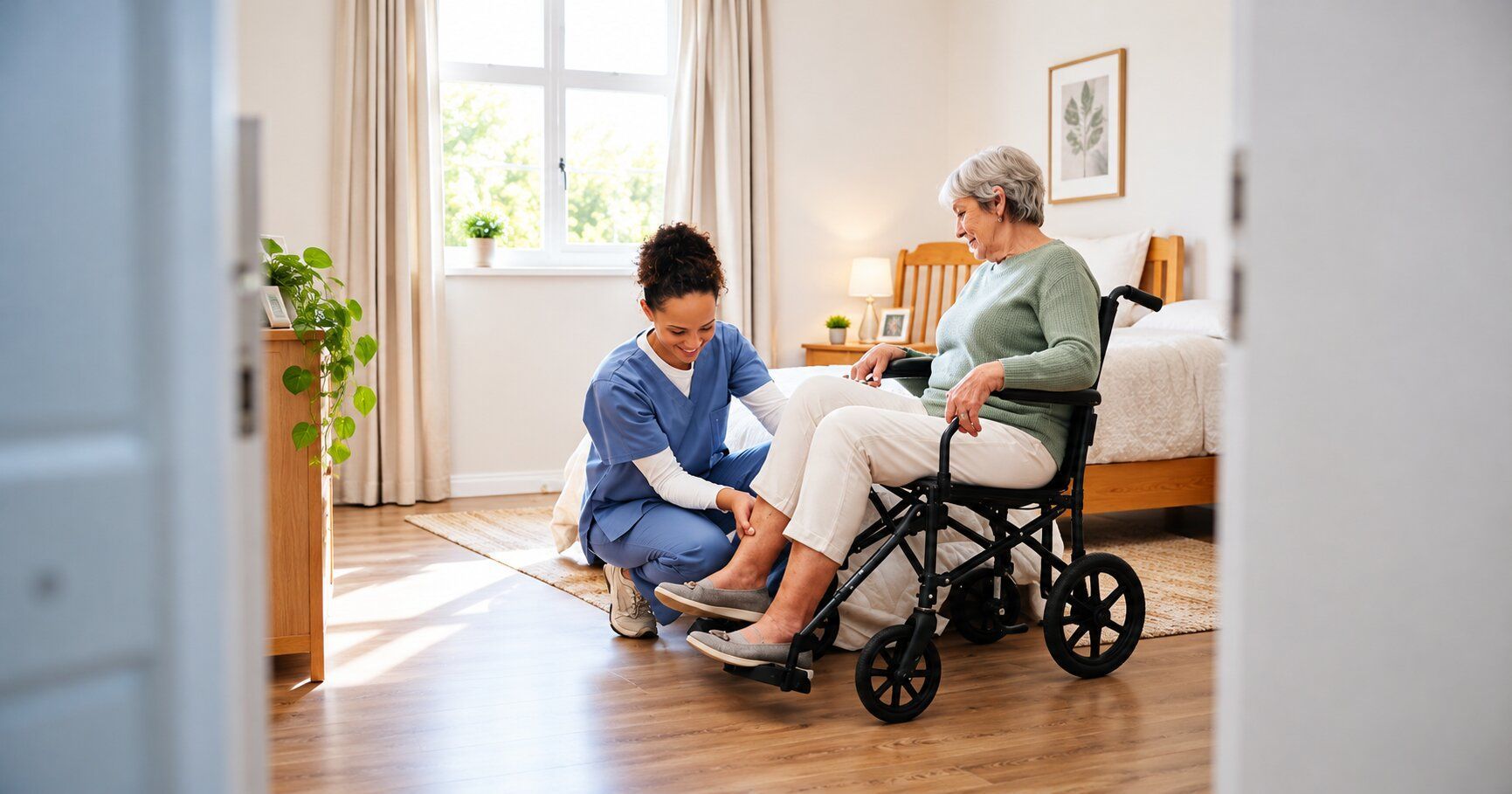
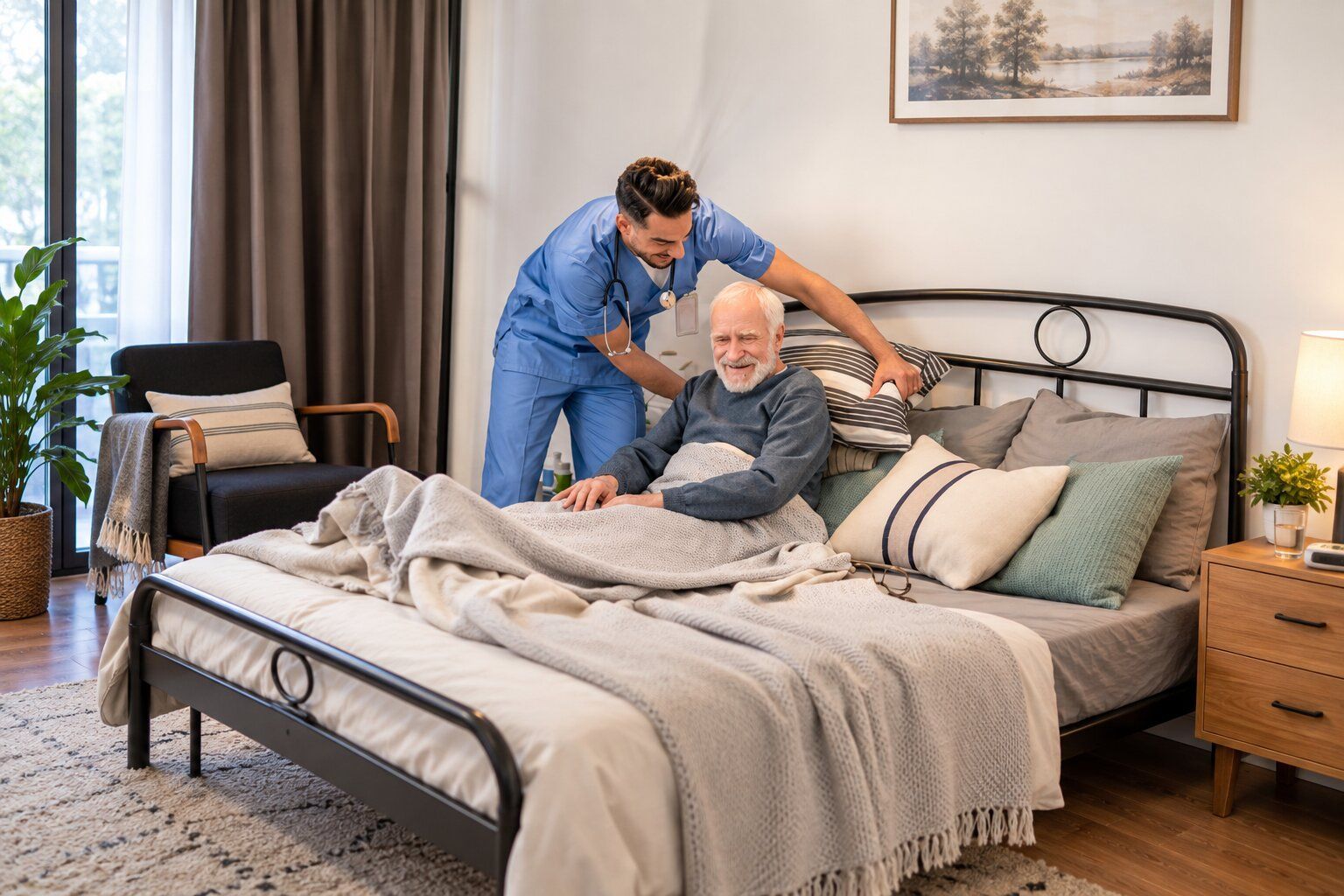
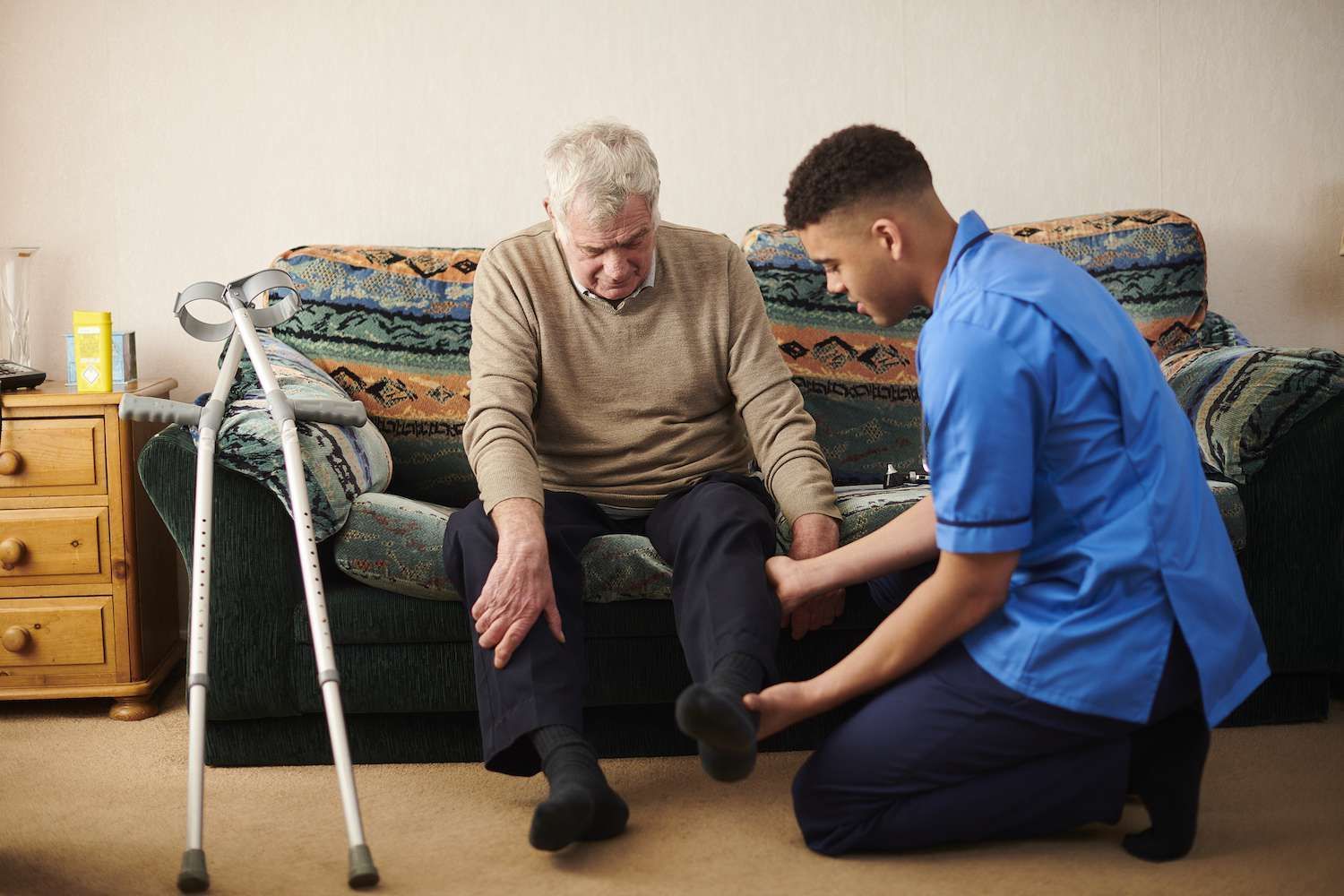
It’s also important to fully understand the differences between these two types of care. In-home care usually consists of a professional care assistant coming into the home on a daily or weekly basis to provide certain care tasks. In-home care is often an option if the individual doesn’t need 24/7 medical monitoring. Some families opt for 24/7 in-home care if finances allow, regardless of the intensity of needs.


What’s the Financial Situation?


In a perfect world, everyone would get the care they need despite finances, but we don’t live in a perfect world and there are the constraints of money that will affect the type of care you choose. You’ll want to take a realistic look at the budget you have to work with and then compare the expenses of different services available. Keep in mind that different service providers will offer different prices so it’s a good idea to compare prices before making a final decision.


These are just a few factors you should consider when deciding what type of care will work best for your loved one. If you’re looking for care options, please contact 7 Day Home Care today.


By Brian Callahan January 27, 2026
Why Elderly Diabetic Patients Miss Medications (And How Home Care Helps)
Four plates of food: meat, mashed potato, vegetables, and gravy.
By Brian Callahan 7 Day Home care January 27, 2026
Introducing Textured Food Innovations: Nutritious Meals for Seniors with Dysphagia For seniors living with dysphagia, eating safely and maintaining proper nutrition can become one of the most difficult daily challenges. Difficulty swallowing often requires a pureed diet, yet many traditional pureed meals are unappetizing, nutritionally inadequate, or hard for caregivers to prepare at home. In New York, a new solution is changing that reality. Textured Food Innovations is a New York‑based company providing chef‑prepared, IDDSI Level 4 pureed meals designed to help seniors with swallowing difficulties eat safely, maintain adequate nutrition, and enjoy mealtime again — especially when supported by professional home care services like 7 Day Home Care .
By Brian Callahan January 17, 2026
Why Leaving a Loved One With Dementia Alone Can Become Dangerous
By Brian Callahan January 14, 2026
Is It Possible to Care for Aging Parents While Working Full-Time?
By Brian Callahan January 9, 2026
Living With Stage 3 Kidney Disease: Life Expectancy Explained
A healthcare worker assists an elderly person using a walker in a care facility.
By Brian Callahan January 6, 2026
Heart stroke recovery is fragile for seniors. Learn common challenges at home, hidden risks, and when professional home care support is truly needed.
By Brian Callahan January 3, 2026
Life After Hospital Discharge: How Stroke Changes Everyday Life at Home
home care helps
By Brian Callahan December 26, 2025
Learn how in-home care helps seniors with Parkinson’s stay safe, independent, and comfortable at home by supporting daily routines, mobility, and dignity.
By Brian Callahan December 25, 2025
The Quiet Problem Many Families Miss For many families, aging looks like a slow, expected change. A little more tired than before. Slight aches in the knees. Moving a bit slower around the house. These things are often brushed off as “normal old age.” But in reality, many seniors are dealing with something deeper — Vitamin D deficiency — without anyone realizing it. What makes Vitamin D deficiency especially concerning is how quietly it affects older adults. There is no sudden emergency. No dramatic warning sign. Instead, it shows up in small, everyday ways: low energy, weak legs, balance issues, or a fear of going outside. Over time, these changes can reduce independence and increase the risk of falls, fractures, and long recovery periods. Families providing care at home NYC , or those supporting loved ones through home health care in Brooklyn , Manhattan, or Long Island, often see these signs but may not connect them to a nutritional deficiency. This guide is meant to help families understand what Vitamin D deficiency really looks like in older adults — and why it matters so much in daily life. What Is Vitamin D and Why Does It Matter So Much for Seniors? Vitamin D plays a key role in keeping the body strong and balanced. It helps the body absorb calcium, supports muscle function, and contributes to overall bone health. It also plays a role in immune strength and mood regulation. For younger adults, Vitamin D often comes from a combination of sunlight, food, and supplements. But as people age, this balance changes. Why Older Adults Are at Higher Risk Several age-related factors make seniors more vulnerable to Vitamin D deficiency: Less sunlight exposure: Many older adults spend more time indoors, especially in cities like New York where winters are long and outdoor mobility can be limited. Reduced skin efficiency: Aging skin is less effective at producing Vitamin D from sunlight. Digestive changes: The body becomes less efficient at absorbing nutrients from food. Chronic conditions or medications: Certain health issues and medications can interfere with Vitamin D absorption. For seniors receiving support through manhattan home care or from home health agencies in Long Island , these factors often overlap, increasing the risk even further. Hidden and Commonly Ignored Symptoms of Vitamin D Deficiency
Woman in blue scrubs assists older person using a walker in a light-filled room.
By Brian Callahan 7 Day Home Care December 24, 2025
Need home care covered by MassMutual Long-Term Care Insurance? 7 Day Home Care is New York’s top provider, offering fast benefit activation and #1l in-home support.
Show More