How Home Care Prevents Hospital Stays and Reduces Readmissions
How Home Care Prevents Hospital Stays and Reduces Readmissions
7 Day Home Care is a leading home care agency dedicated to preventing hospital stays and reducing the risk of readmissions by providing exceptional, personalized care for seniors and individuals recovering at home. As a licensed home care provider in New York, we specialize in private pay home care, ensuring that our clients receive top-tier, one-on-one support tailored to their unique medical and personal needs. Our highly trained home health aides and registered nurses focus on medication management, fall prevention, chronic disease monitoring, infection control, and post-hospital recovery care—all of which play a critical role in minimizing avoidable hospitalizations. With a proactive approach to health management, we help seniors adhere to prescribed treatments, attend follow-up appointments, and maintain a safe living environment, significantly lowering the risk of complications that could lead to emergency room visits or extended hospital stays. By choosing 7 Day Home Care, families can have peace of mind knowing that their loved ones are receiving comprehensive, around-the-clock support from experienced caregivers, ultimately enhancing their quality of life, safety, and independence at home while preventing unnecessary hospital readmissions. 7 Day Home Care
provides leading in-home care services in Manhattan,
Queens, Brooklyn, Nassau County, and Suffolk County, New York. To learn more about our top home care services, please call 516-408-0034.
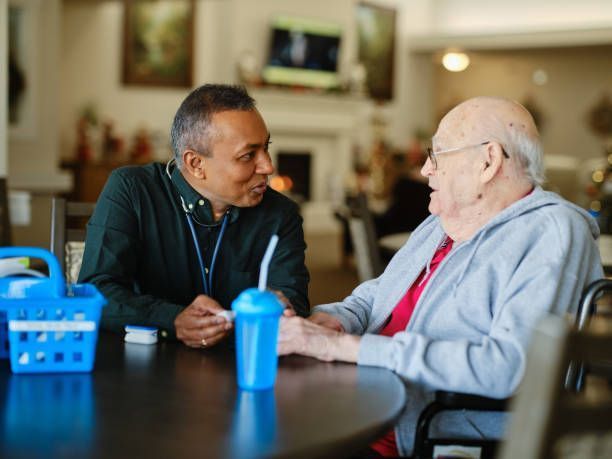
Repeated Hospital Visits Can Lead to Serious Health Complications
Preventing hospitalizations is a priority for seniors, their families, and healthcare providers. Repeated hospital visits can lead to serious health complications, emotional distress, and financial strain. However, home care services offer an effective solution to reducing hospital stays by providing personalized care, monitoring chronic conditions, and ensuring seniors receive timely medical attention.
At 7 Day Home Care, we specialize in providing high-quality, private pay home care services that help seniors remain safe, healthy, and independent in their homes. This article explores how home care can prevent unnecessary hospitalizations, reduce the risk of complications, and improve overall well-being.
The Growing Concern of Hospital Readmissions Among Seniors
Hospital readmissions—when a patient returns to the hospital within 30 days of discharge—are a growing concern. According to the Centers for Medicare & Medicaid Services (CMS), nearly one in five Medicare patients is readmitted to the hospital within 30 days, often due to preventable causes such as medication mismanagement, falls, infections, and lack of proper post-discharge care.
Common Causes of Hospital Readmissions
1. Medication Errors – Skipping doses, overdosing, or failing to take medications correctly.
2. Falls and Injuries – Seniors are at high risk for falls, which can lead to fractures, head injuries, and hospital stays.
3. Chronic Disease Complications – Conditions like diabetes, heart disease, and COPD require consistent management.
4. Infections – Urinary tract infections (UTIs), pneumonia, and bedsores can become severe if untreated.
5. Poor Post-Hospitalization Care – Lack of follow-up care after hospital discharge often results in readmissions.
Home care plays a crucial role in addressing these risk factors and keeping seniors safe at home.
How Home Care Prevents Hospital Stays
1. Medication Management
Mismanaging medications is one of the leading causes of hospital readmissions. Seniors may forget to take their prescribed medications or take them incorrectly, leading to serious health complications such as strokes, heart attacks, or severe infections.
How Home Care Helps:
• Home health aides and caregivers remind seniors to take their medications as prescribed.
• Caregivers assist with medication organization to prevent errors.
• Coordination with pharmacists and doctors ensures the right dosages and prevents dangerous drug interactions.
2. Fall Prevention and Safety Monitoring
Falls are a major cause of hospitalizations among seniors. The CDC reports that one out of four seniors experiences a fall each year, leading to serious injuries and costly hospital stays.
How Home Care Helps with Aging :
• Home safety assessments identify trip hazards such as loose rugs, poor lighting, and slippery floors.
• Caregivers assist with mobility and transfers, reducing fall risks.
• Physical therapy exercises help seniors maintain strength, balance, and flexibility.
3. Chronic Disease Management
Managing chronic illnesses like diabetes, heart disease, and COPD requires consistent care. Missed doctor appointments, lack of dietary control, and poor lifestyle choices can lead to hospital admissions.
How Home Care Helps:
• Caregivers assist with monitoring vital signs such as blood pressure, blood sugar levels, and oxygen levels.
• Care plans include nutritional guidance to help manage chronic conditions.
• Home health aides encourage physical activity and adherence to medical recommendations.
4. Infection Prevention and Wound Care
Many seniors suffer from weakened immune systems, making them susceptible to infections. Conditions like UTIs, pneumonia, and pressure sores can rapidly worsen if not treated promptly.
How Home Care Helps:
• Caregivers provide proper hygiene assistance, reducing the risk of infections.
• Wound care specialists monitor and treat injuries to prevent complications.
• Home caregivers ensure hydration and nutrition, strengthening the immune system.
5. Personalized Post-Hospitalization Care
Returning home after a hospital stay requires a structured care plan. Many seniors are readmitted due to inadequate post-discharge support.
How Home Care Helps:
• Caregivers assist with transportation to follow-up appointments.
• Skilled nurses monitor recovery and identify early signs of complications.
• 24/7 care options provide continuous support for high-risk seniors.
6. Nutrition and Meal Preparation
Malnutrition is a hidden cause of hospitalizations among seniors. Poor eating habits weaken the immune system and contribute to chronic disease complications.
How Home Care Helps:
• Customized meal planning ensures seniors receive balanced, nutrient-rich diets.
• Assistance with grocery shopping and meal preparation prevents malnutrition.
• Hydration monitoring helps prevent dehydration-related hospital visits.
7. Social Engagement and Emotional Support
Loneliness and depression are linked to poor health outcomes and increased hospitalizations. Many seniors lack regular social interaction, leading to cognitive decline and deteriorating physical health.
How Home Care Helps:
• Companionship services keep seniors mentally and emotionally engaged.
• Caregivers encourage hobbies, conversation, and social activities.
• Emotional support reduces stress, anxiety, and depression.
The Cost-Saving Benefits of Home Care vs. Hospital Stays
Hospital visits are expensive and disruptive. Home care not only improves health outcomes but also offers significant cost savings.
Home Care vs. Hospitalization Costs:
• Average hospital stay: $10,000 - $15,000 per visit.
• Emergency room visits: $1,200 - $3,000 per visit.
• Home care services: $4,000 - $6,000 per month (depending on level of care).
By preventing unnecessary hospital stays, home care saves families thousands of dollars in medical expenses while ensuring seniors receive high-quality, personalized care.
Choosing the Right Home Care Provider Near Me
Not all home care agencies are created equal. Families should choose a provider with experienced caregivers, personalized care plans, and a commitment to reducing hospitalizations.
Why Choose 7 Day Home Care?
• Licensed and Certified – Our caregivers are certified home health aides under the New York State Department of Health.
• Customized Care Plans – We create tailored care programs to meet individual health needs.
• 24/7 Availability – Our services are available around the clock for emergency and routine care.
• Expert Supervision – All caregivers work under the supervision of registered nurses.
• Proven Track Record – We help seniors stay independent, safe, and out of the hospital.
Home Care as the Key to Preventing Hospitalizations
Home care is a proactive solution that keeps seniors out of the hospital, improves quality of life, and provides cost-effective, personalized care. Whether it’s through medication management, fall prevention, chronic disease support, or post-hospital recovery, home care plays a crucial role in reducing hospital readmissions.
If you or a loved one are looking for trusted home care services in New York, 7 Day Home Care is here to help. Our experienced caregivers provide the highest level of care, ensuring your loved ones stay healthy and independent.
Frequently Asked Questions (FAQs)
1. How can home care help seniors avoid the hospital?
Home care provides medication reminders, fall prevention, chronic disease management, and post-hospital recovery support, significantly reducing hospital visits.
2. What conditions can home care help manage?
Home care is effective in managing diabetes, heart disease, COPD, dementia, mobility issues, and post-surgical recovery.
3. Is home care more affordable than hospital stays?
Yes, home care is significantly more cost-effective than repeated hospital visits or long-term nursing home care.
4. Can home care provide 24/7 support?
Yes! 7 Day Home Care offers 24/7 home care services for seniors who need continuous monitoring and support.
Contact 7 Day Home Care Today!
7 Day Home Care provides leading in-home care services in Manhattan,
Queens, Brooklyn, Nassau County, and Suffolk County, New York. To learn more about our top home care services, please call 516-408-0034.
Brian Callahan
7 Day Home Care