Continuity of Care in Home Health Care Scheduling
Continuity of Care in Home Health Care Scheduling
Continuity of care, consistent scheduling, person-centered care, and caregiver-patient matching are interwoven elements that collectively enhance the quality of home health care. Continuity of care ensures that clients receive ongoing support from familiar caregivers, which fosters trust and a deeper understanding of their unique needs. Consistent scheduling reinforces this stability, allowing caregivers to build a routine that aligns with the client's lifestyle and preferences. Person-centered care prioritizes the individual’s specific health requirements and personal preferences, ensuring that care plans are tailored to promote their overall well-being. Effective caregiver-patient matching further strengthens this approach by pairing clients with caregivers whose skills, personalities, and expertise best suit their needs, enhancing communication and comfort. Together, these components create a holistic care environment where clients feel valued, understood, and consistently supported, leading to improved health outcomes and satisfaction.

Are You Searching for a Home Health Care Agency
Near Me that Provides Reliable Continuity of Care?
Experiencing a revolving door of caregivers or home health aides can be incredibly frustrating and disheartening for clients and their families. The constant change disrupts the establishment of trust and rapport, leading to feelings of instability and anxiety. Each new caregiver requires time to understand the client's specific needs, preferences, and routines, which can result in inconsistent care and overlooked details. This lack of continuity can exacerbate health issues and hinder the client’s overall well-being. In contrast, working with a home care agency committed to continuity of care scheduling brings a profound sense of relief and confidence. Such agencies prioritize assigning consistent caregivers, allowing clients to build strong, trusting relationships with their aides. This stability ensures that caregivers are well-acquainted with the client’s history and care plan, enabling them to provide personalized, attentive care that truly addresses the client’s needs. As a result, clients experience enhanced comfort, security, and satisfaction, knowing they are in capable and familiar hands.
In the ever-evolving landscape of home health care, one principle stands out as a cornerstone of effective service delivery: continuity of care. At 7 Day Home Care, we understand that providing consistent, reliable care to our clients in Manhattan, Queens, Brooklyn, and Long Island is not just a goal—it's a commitment. Continuity of care ensures that our clients receive the highest quality of care tailored to their individual needs, delivered by caregivers who are familiar with their history, preferences, and requirements. This article discusses the numerous benefits of continuity of care in home health care scheduling and how 7 Day Home Care strives to uphold this standard.
What is Continuity of Care?
Continuity of care refers to the seamless and consistent provision of care by the same caregivers over a period. In home health care, this means that clients are regularly attended to by the same team of caregivers, ensuring a stable and familiar environment. This approach contrasts with fragmented care, where multiple caregivers are frequently rotated, leading to potential inconsistencies in the quality and delivery of care.
A fixed or static schedule for home care is the optimal approach to scheduling because it ensures that clients receive consistent and predictable care from the same caregivers, thereby enhancing continuity of care and overall well-being. This regularity allows caregivers to develop a deep understanding of their clients' unique needs, preferences, and health conditions, fostering a trusting and therapeutic relationship. Clients benefit from the stability and familiarity of seeing the same caregivers, which reduces stress and anxiety, particularly for those with chronic illnesses or cognitive impairments. Moreover, a static schedule facilitates better monitoring and management of health issues, as caregivers can promptly identify any changes in the client's condition and respond appropriately. This approach also enhances coordination and communication within the care team, ensuring that all involved are well-informed and aligned in their efforts to provide high-quality, personalized care. Consequently, a fixed schedule not only optimizes continuity of care but also significantly contributes to the client's overall well-being and satisfaction with the home care experience.
6 Benefits of Continuity of Care in Home Care Services
- Enhanced Patient-Caregiver Relationship
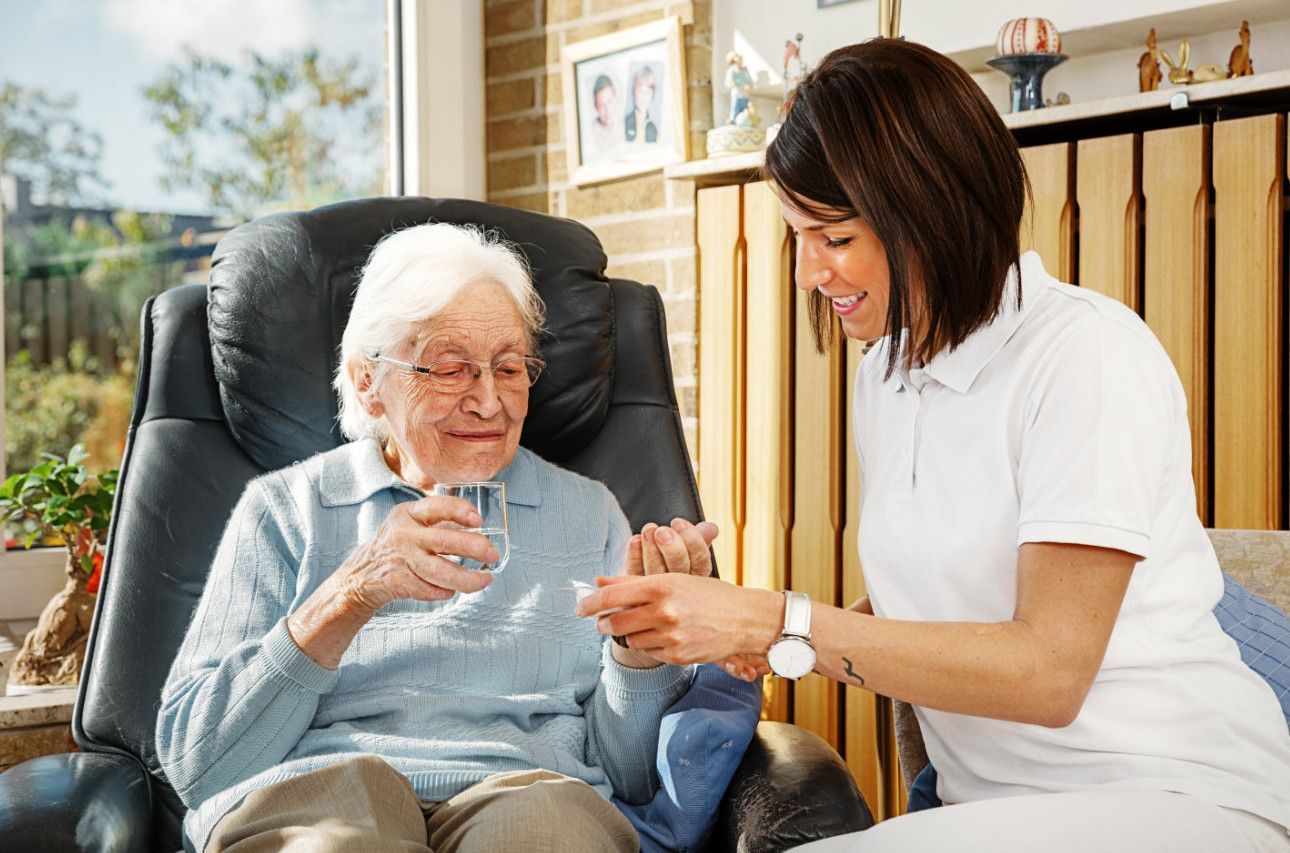
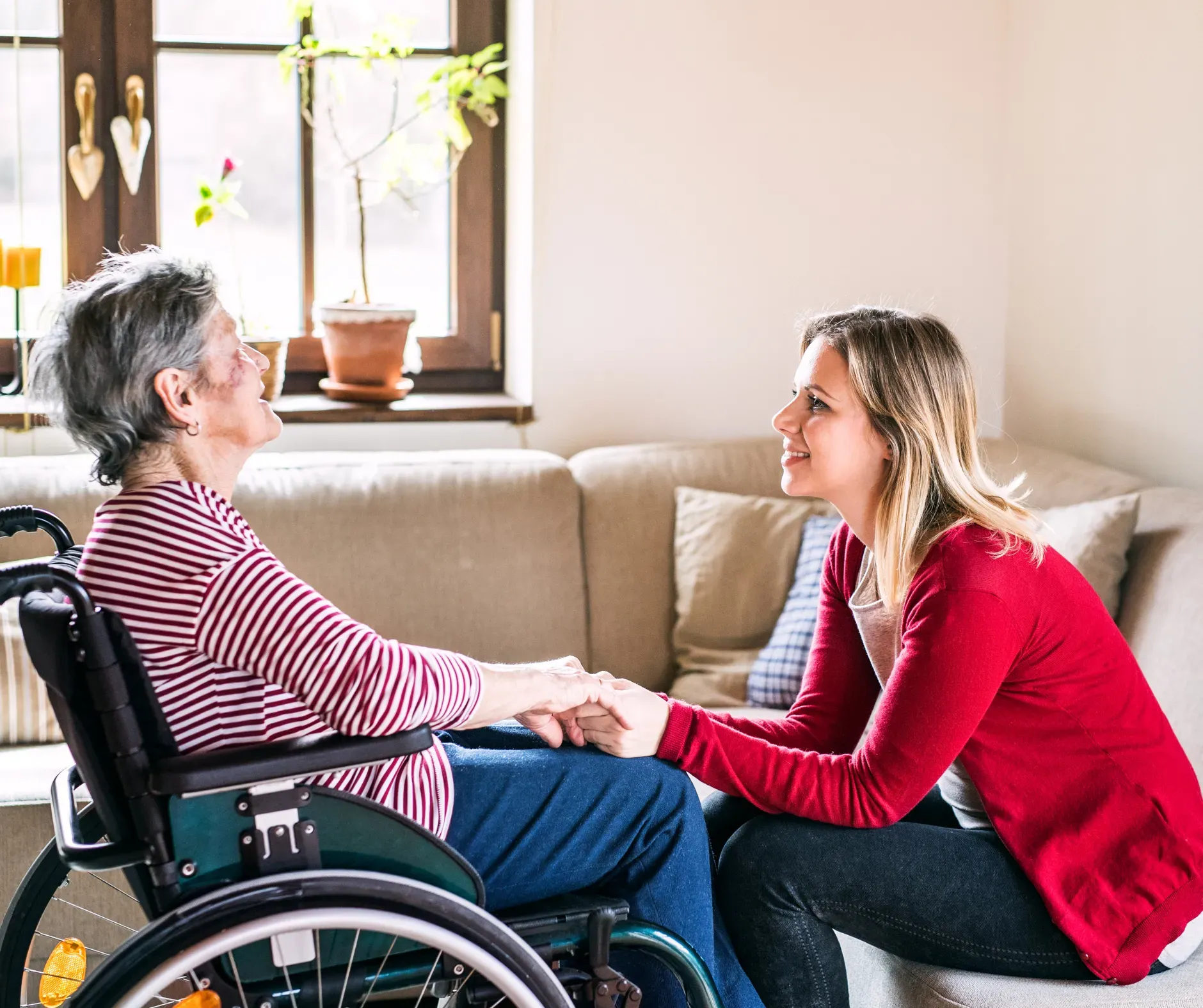
Continuity of care fosters strong relationships between clients and caregivers. When caregivers are consistently present, they can build trust and rapport with their clients. This relationship is crucial for understanding the client's unique needs, preferences, and emotional well-being. Clients are more likely to communicate openly and honestly with caregivers they know and trust, leading to better health outcomes.
2. Improved Health Outcomes
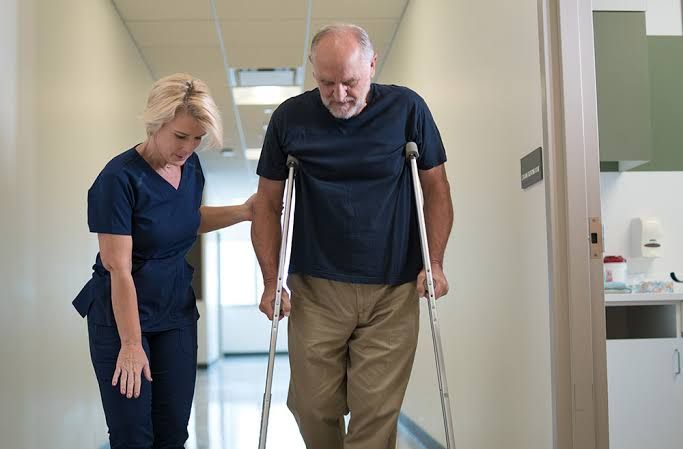
Consistent care allows for better monitoring of a client’s health status. Caregivers familiar with a client's baseline health can quickly identify changes or deteriorations in their condition. Early detection of health issues often leads to timely interventions, preventing complications and promoting better health outcomes.
3. Personalized Care Plans
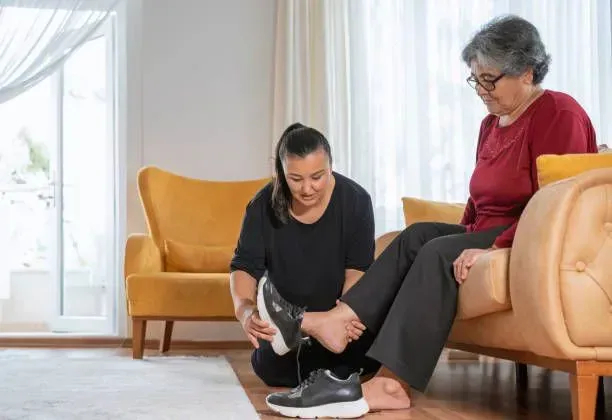
When caregivers work with the same clients over time, they gain a deep understanding of their specific needs and can tailor care plans accordingly. This personalized approach ensures that the care provided is aligned with the client's preferences, lifestyle, and medical requirements, enhancing the overall quality of care.
4. Reduced Stress and Anxiety
For many clients, especially the elderly or those with chronic illnesses, changes in caregivers can be stressful and anxiety-inducing. Continuity of care minimizes these disruptions, providing a stable and familiar routine that helps clients feel more secure and comfortable in their own homes.
5. Efficiency and Coordination
Continuity of care streamlines communication and coordination among the care team. Caregivers who consistently work with the same clients can more effectively share information, coordinate care activities, and ensure that everyone is on the same page. This reduces the likelihood of errors and enhances the overall efficiency of care delivery.
6. Family Peace of Mind
Family members often play a critical role in the care of their loved ones. Knowing that a consistent and reliable caregiver is providing care gives families peace of mind. They can trust that their loved one is in good hands and receiving the attention they need, which alleviates stress and allows family members to focus on other aspects of their lives.
7 Day Home Care's Commitment to Continuity of Home Care Services Near You
At 7 Day Home Care, we are dedicated to providing continuity of care near you Manhattan, Queens, Brooklyn, and Long Island. Our approach includes:
- Caregiver Matching: We carefully match caregivers with clients based on their needs, preferences, and personalities to foster strong, lasting relationships.
- Consistent Scheduling: We strive to maintain consistent scheduling, ensuring that clients see the same caregivers as often as possible.
- Comprehensive Training: Our caregivers receive thorough training to deliver high-quality, personalized care tailored to each client's specific needs.
- Ongoing Support: We provide continuous support to our caregivers, enabling them to perform their duties effectively and respond to any changes in a client's condition promptly.
Continuity of care is essential in home health care scheduling, offering a myriad of benefits that contribute to better health outcomes, enhanced client satisfaction, and overall efficiency. At 7 Day Home Care, we are committed to providing consistent, high-quality care near you in Manhattan, Queens, Brooklyn, and Long Island. By fostering strong relationships between caregivers and clients, we ensure that each individual receives the personalized, attentive care they deserve, enhancing their quality of life and promoting well-being. 7 Day Home Care is licensed by the New York State Department of Health to provide in-home care services throughout the New York metropolitan area including Manhattan, Queens, Brooklyn, Nassau County, and Suffolk County, New York. To learn more about our approach to continuity of care scheduling commitment, please call 516-408-0034 or visit 7 Day Home Care.
Brian Callahan
7 Day Home Care