Aging at Home with Home Health Aide Care
Aging at Home with Home Health Aide Care
According to
National Institute on Aging "many people want the same things as they get older: to stay in their own homes, to maintain independence for as long as possible, and to turn to family and friends for help when needed. Staying in your own home as you get older is called “aging in place.” But many older adults and their families have concerns about safety, getting around, or other daily activities. Living at home as you age requires careful consideration and planning. Home-based care includes health, personal, and other support services to help you stay at home and live as independently as possible."

As we age, many individuals face the decision of where to receive care and support in their later years. While assisted living facilities and nursing homes are options, aging at home with the assistance of a home health aide has become increasingly popular for its numerous benefits. At 7 Day Home Care, a leading home care agency near you in Manhattan, Queens, Brooklyn and Long Island, New York, we understand the importance of maintaining independence and dignity as we age. In this article, we explore the advantages of aging at home with home health aide care compared to assisted living or long-term nursing home care. We'll also discuss how receiving help from home health aides promotes independence rather than impinging on it.
Benefits of Aging at Home with Home Health Aide Care Near Me
- Familiar Environment: Aging at home allows individuals to remain in the comfort and familiarity of their own home, surrounded by cherished memories, belongings, and loved ones. This can have a significant positive impact on emotional well-being and overall quality of life.
- Personalized Care: Home health care agency services offer personalized care plans tailored to the unique needs and preferences of each individual. From assistance with activities of daily living (ADLs) to companionship care and medication management, home health aides provide customized support to promote independence and maintain autonomy.
- Promotion of Independence: Contrary to popular belief, receiving help from home health aides does not diminish independence; rather, it enhances it. By assisting with tasks that may have become challenging due to age or health conditions, home health aides empower individuals to remain as independent as possible while ensuring their safety and well-being.
- One-on-One Attention: In-home care services provide individuals with dedicated one-on-one attention from trained and compassionate caregivers. This level of personalized care fosters meaningful connections and promotes a sense of companionship and security.
- Cost-Effectiveness: Aging at home with home health aide care can often be more cost-effective than moving into assisted living or nursing home facilities. By utilizing only the services needed and avoiding the additional expenses associated with facility-based care, individuals can optimize their healthcare budget while receiving high-quality care in the comfort of home.
Understanding Home Health Aide Care Near Me
Home health aides play a crucial role in supporting individuals aging at home. These caregivers, often trained and certified, assist with a variety of tasks, including:
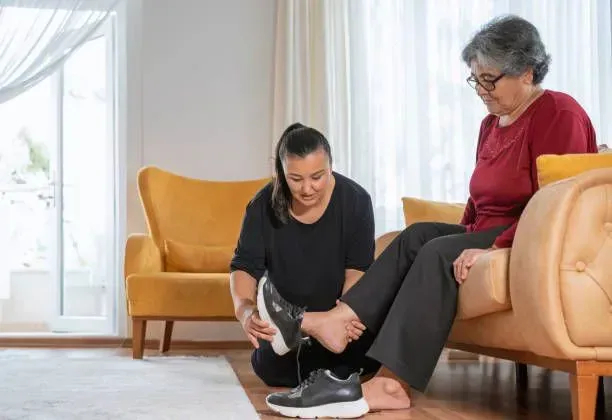
- Activities of Daily Living (ADLs) such as bathing, dressing, grooming, and toileting.
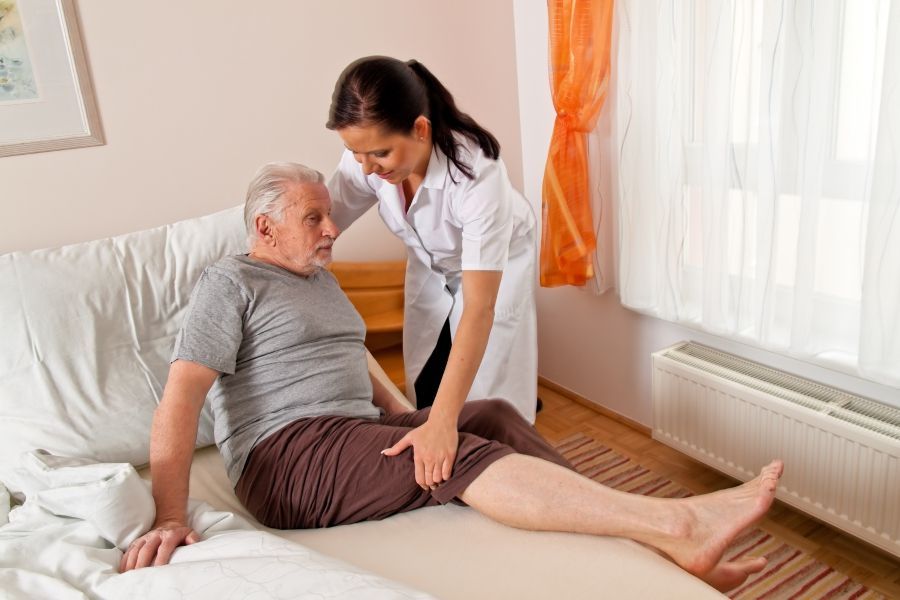
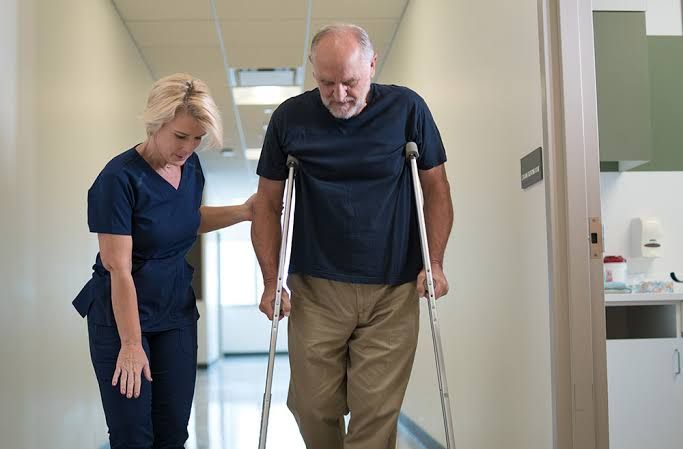
- Mobility assistance and transfers to prevent falls and ensure safety.
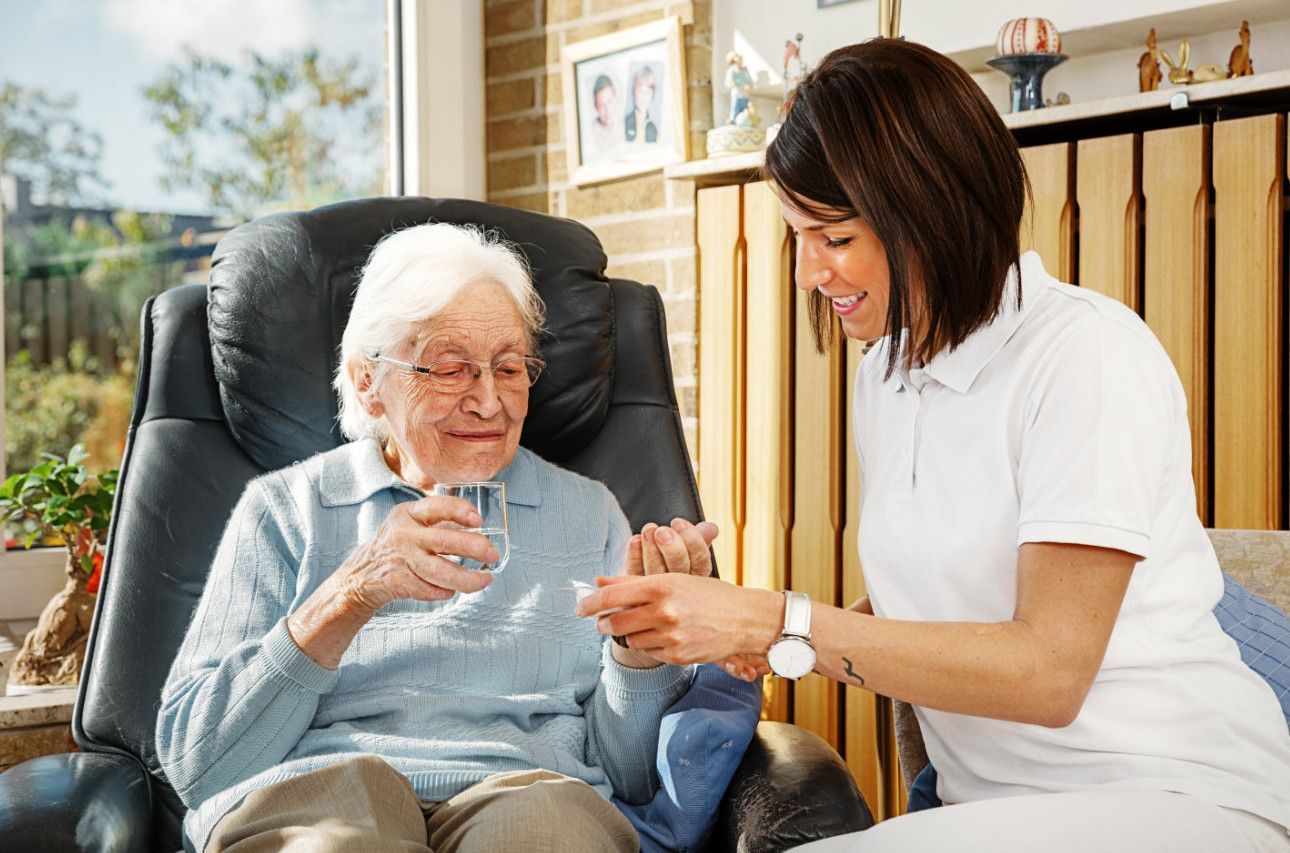
- Medication reminders and assistance with medication management.
- Meal preparation and nutrition support.
- Light housekeeping and errands.
- Companionship care and emotional support.
By addressing these essential needs, home health aides enable individuals to maintain their independence and dignity while aging gracefully at home.
Post-Surgery and Respite Caregivers Near Me
In addition to long-term care, home health aides also provide invaluable support for individuals recovering from surgery or illness. Post-surgery in-home care offers a seamless transition from hospital to home, ensuring that individuals receive the assistance and monitoring they need to recover safely and comfortably. Furthermore, respite caregiver services allow family caregivers to take a well-deserved break from their caregiving responsibilities while ensuring that their loved ones continue to receive quality care and support at home. Our home health aides are supervised by our registered nurse in home staff.
Aging at home with home health aide care offers numerous benefits, including personalized support, independence, and cost-effectiveness. By choosing to receive care at home through a reputable home care agency like 7 Day Home Care, individuals can enjoy the comfort, familiarity, and security of their own home while receiving the assistance they need to thrive in their later years. Whether it's companionship care, 24-hour home care service, or post-surgery in-home care, our team of dedicated caregivers is here to support individuals and families every step of the way. Contact us today to learn more about our home care services and how we can help you or your loved one age with dignity and independence right at home. To learn more about our in-home caregiving services near you in Manhattan, Brooklyn, Queens, and Long Island, New York please call 516-408-0034 or visit us here.
Brian Callahan
7 Day Home Care