A Comprehensive Guide to the Many Facets of Home Care
Learn more about in-home care services and what is possible to age in the comfort of your own own.
In today's rapidly evolving healthcare landscape, one aspect that remains constant is the desire for personalized and compassionate care. As the population continues to age, the demand for quality home care services is on the rise. Families are seeking alternatives to traditional institutionalized care, and for many, the answer lies in receiving care within the familiar and comforting surroundings of their own homes. This is where home care services like 7 Day Home Care step in to provide invaluable support. In this article, we will delve into the various types of care provided in a person's home, while shedding light on the essential role played by 7 Day Home Care in Manhattan, Queens, Brooklyn, Nassau County, and Suffolk County, New York.
The Essence of Home Care
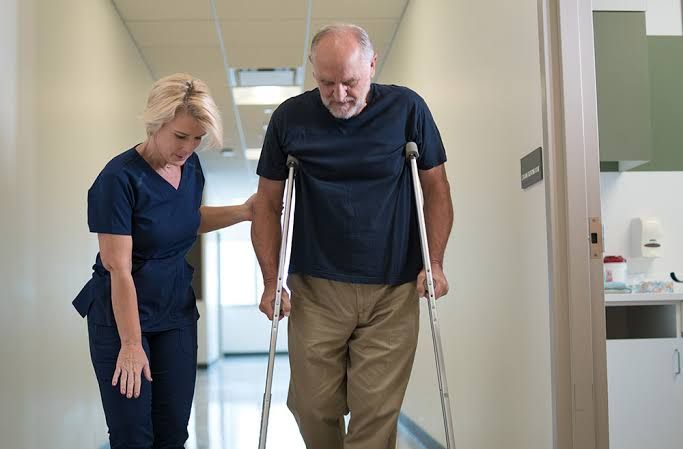
Home care encompasses a broad spectrum of healthcare services delivered directly to an individual in their home. This form of care is typically provided to seniors, individuals with disabilities, or those recovering from illness or surgery. It enables individuals to maintain their independence, receive personalized care, and enjoy the comfort of their own homes while receiving the necessary assistance.
The Types of Care Provided in a Person's Home
Home care services are as diverse as the individuals who require them. The type of care provided varies based on the specific needs and circumstances of the person receiving care. Sunrise Home Care recognizes the uniqueness of each client and places a strong emphasis on personalized or person-centered care. Let's explore the different types of care offered:
- Companionship Care:
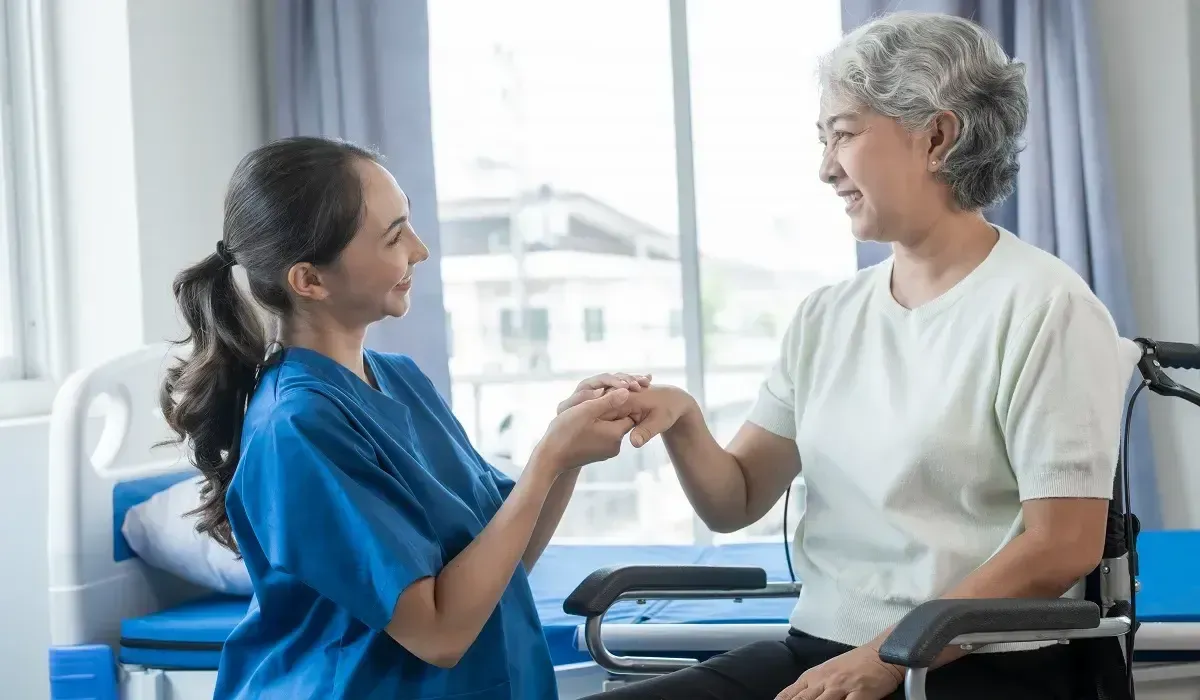
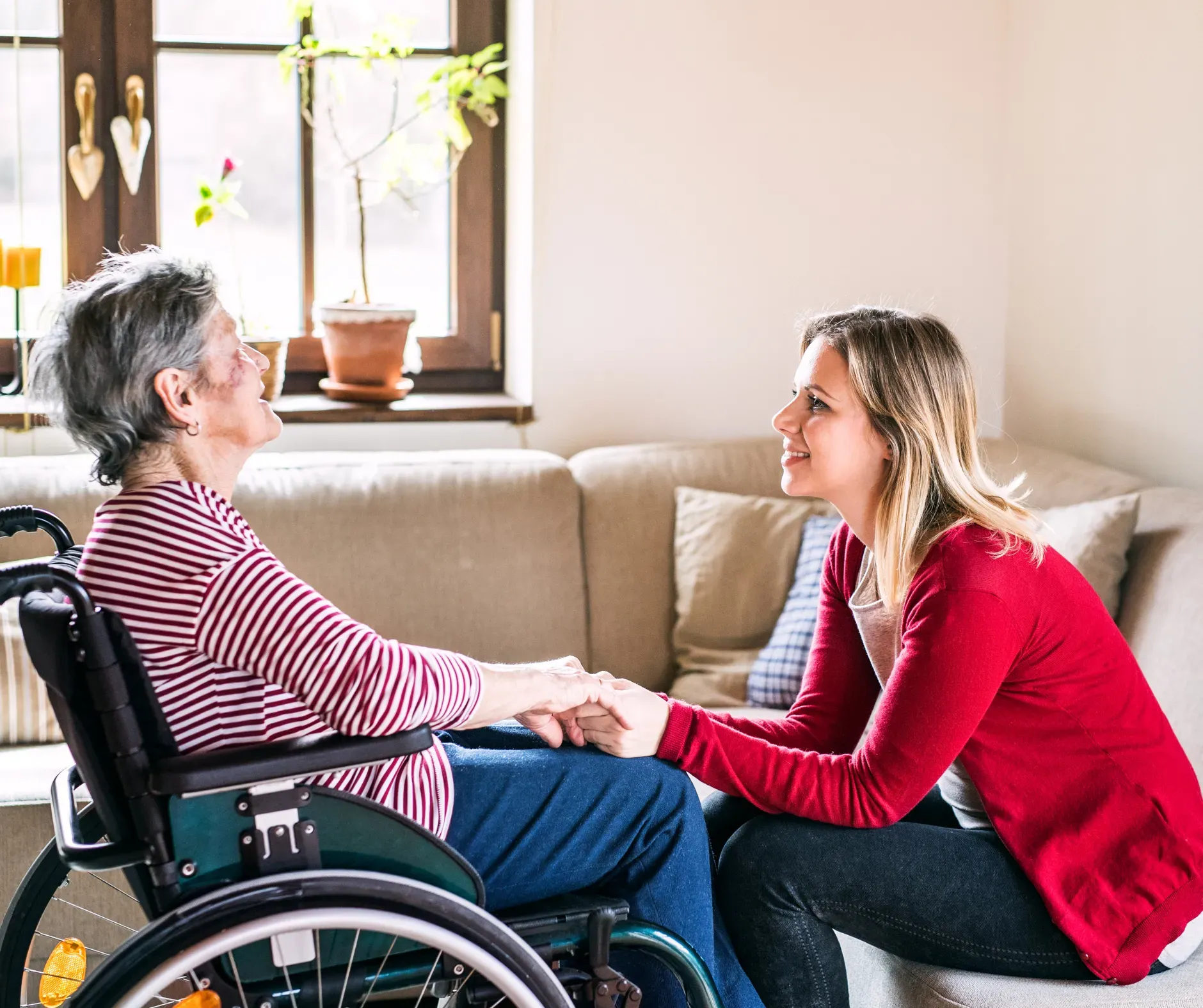
Companionship care is a vital aspect of home care, especially for seniors who may be socially isolated. This type of care includes engaging in conversations, playing games, going for walks, and providing emotional support. According to the U.S. Census Bureau, around 28% of people aged 65 and older live alone, highlighting the importance of companionship care for mental and emotional well-being.
2. Personal Care:
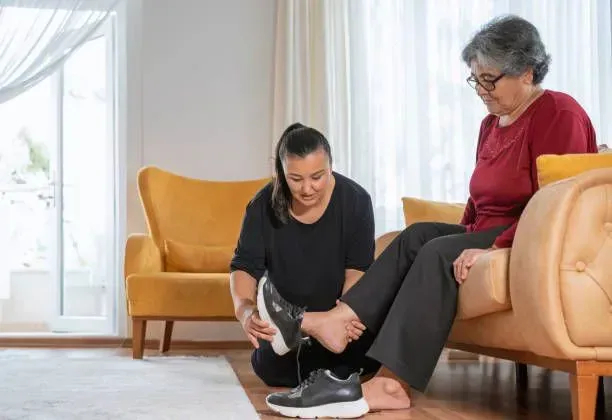
Personal care services involve assisting with activities of daily living (ADLs) such as bathing, dressing, grooming, and toileting. According to the National Institute on Aging, about 70% of individuals over the age of 65 will need assistance with ADLs at some point in their lives.
3. Medical Care:
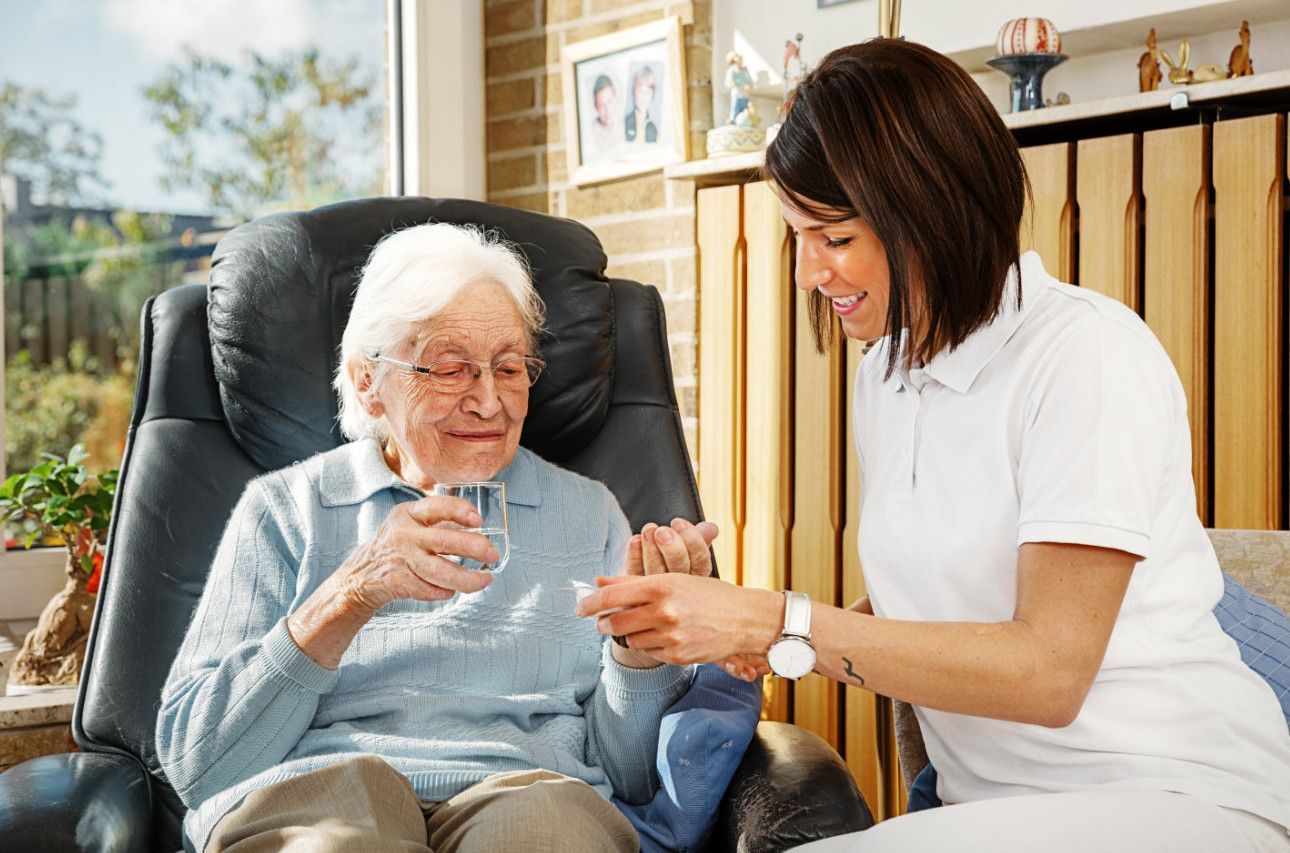
For individuals with complex medical needs, medical home care services are essential. This includes medication management, wound care, and monitoring vital signs. According to the Home Care Association of America, over 12 million individuals receive medical home care services annually.
4. Dementia Care:
Dementia care is designed to provide specialized support for individuals living with Alzheimer's or other forms of dementia. Approximately 6.2 million Americans aged 65 and older are living with Alzheimer's disease.
5. Palliative Care:
Palliative care focuses on enhancing the quality of life for individuals facing serious illnesses. It involves pain management, symptom control, and emotional support. According to the National Hospice and Palliative Care Organization, an estimated 1.55 million individuals received hospice care in 2019, highlighting the demand for palliative care services.
6. Respite Care:
Respite care offers temporary relief to primary caregivers, allowing them to take a break while a trained caregiver provides care to their loved one. The demands of caregiving can be overwhelming, and respite care is crucial in preventing caregiver burnout.
The Importance and Benefits of Person-Centered Care
7 Day Home Care, in its commitment to delivering exceptional home care services, recognizes that each client is unique. This recognition is at the core of person-centered care, an approach that prioritizes the individual's preferences, needs, and values.
- Enhanced Wellbeing:
Person-centered care has been shown to improve the overall wellbeing of clients. A study published in the "Journal of the American Medical Directors Association" found that person-centered care reduced agitation and improved quality of life in individuals with dementia.
2. Reduced Turnover:
By carefully matching caregivers to patients based on their individual characteristics and needs, 7 Day Home Care minimizes turnover. This not only ensures continuity of care but also fosters trusting relationships between clients and caregivers.
3. Enhanced Caregiver Experience:
Caregivers who are supported in providing person-centered care report greater job satisfaction and reduced stress. A study published in "Home Healthcare Now" found that person-centered care increased caregiver job satisfaction.
4. Better Health Outcomes:
Person-centered care has been associated with improved health outcomes. According to the Agency for Healthcare Research and Quality (AHRQ), person-centered care can lead to better patient adherence to treatment plans and improved health status.
The Rise of Home Care: A Global Perspective
The demand for home care services is not unique to the United States. Globally, there is a growing recognition of the value of home care in improving the quality of life for aging populations. Let's take a look at some international statistics:
- The United Kingdom:
In the UK, according to the Office for National Statistics (UK) the number of people aged 65 and over is projected to grow by 1.7 million between 2020 and 2030. This demographic shift is driving the demand for home care services, with the majority of older adults preferring to receive care in their own homes.
2. Canada:
In Canada, the need for home care is also on the rise. According to the Canadian Institute for Health Information (CIHI), the number of home care clients increased by 55% between 2009 and 2019.
3. Australia:
Australia is experiencing a similar trend, with a growing aging population. According to the Australian Institute of Health and Welfare (AIHW), the demand for home care services is expected to increase substantially in the coming years.
The Role of 7 Day Home Care in New York
As a prominent provider of home care services in Manhattan, Queens, Brooklyn, Nassau County, and Suffolk County, New York, 7 Day Home Care plays a pivotal role in meeting the diverse needs of its clients. The company's commitment to person-centered care, combined with its extensive range of services, makes it a trusted partner for individuals and families seeking high-quality home care.
The Geographical Reach of Sunrise Home Care
7 Day Home Care's presence across multiple New York counties ensures that individuals in various locations have access to our exceptional services. This geographical reach is vital in providing care where it's needed most.
A Holistic Approach to Care
7 Day Home Care understands that individuals requiring home care services often have multifaceted needs. Therefore, we offer a holistic approach to care, addressing not only physical health but also emotional and social well-being.
Highly Trained Caregivers
The quality of care provided by 7 Day Home Care is a testament to our highly trained and compassionate caregivers. These professionals are equipped to handle a wide range of personal care needs.
Client Testimonials
The success of any home care provider is best measured by the satisfaction of its clients. 7 Day Home Care has received numerous positive testimonials from clients and their families, highlighting the positive impact of their services on the lives of those they serve.
The Future of Home Care
As we look ahead, the future of home care appears extremely promising, driven by the growing aging population and the desire for individualized care. 7 Day Home Care's dedication to person-centered care serves as a model for the evolving landscape of home care services.
Home care services encompass a wide range of care types designed to meet the unique needs of individuals in the comfort of their own homes. 7 Day Home Care's commitment to person-centered care, along with its extensive geographical reach throughout the metropolitan New York City area, its highly trained caregivers, positions it as a leading provider in the field of home care. As the demand for home care services continues to rise both nationally and globally, 7 Day Home Care strives to stand as a beacon of excellence in the industry, enriching the lives of those it serves.
For more information about 7 Day Home Care and our services, please visit 7 Day Home Care.
Brian Callahan
7 Day Home Care