6 Key Signs That May Indicate Your Parents Need Help At Home
6 Key Signs that May Indicate
Your Parents Need Help at Home
According to
National Institute on Aging "it is not always clear whether an aging parent or relative needs help. Sometimes a person will recognize that they need help and request it, or an emergency or sudden illness will make it clear. Others may not want to cause worry or admit they’re struggling. If you become aware of the signs that a loved one needs help, you will be better prepared to provide support for their safety and well-being."

Are You Searching for the Premier Home Care Agency Near You?
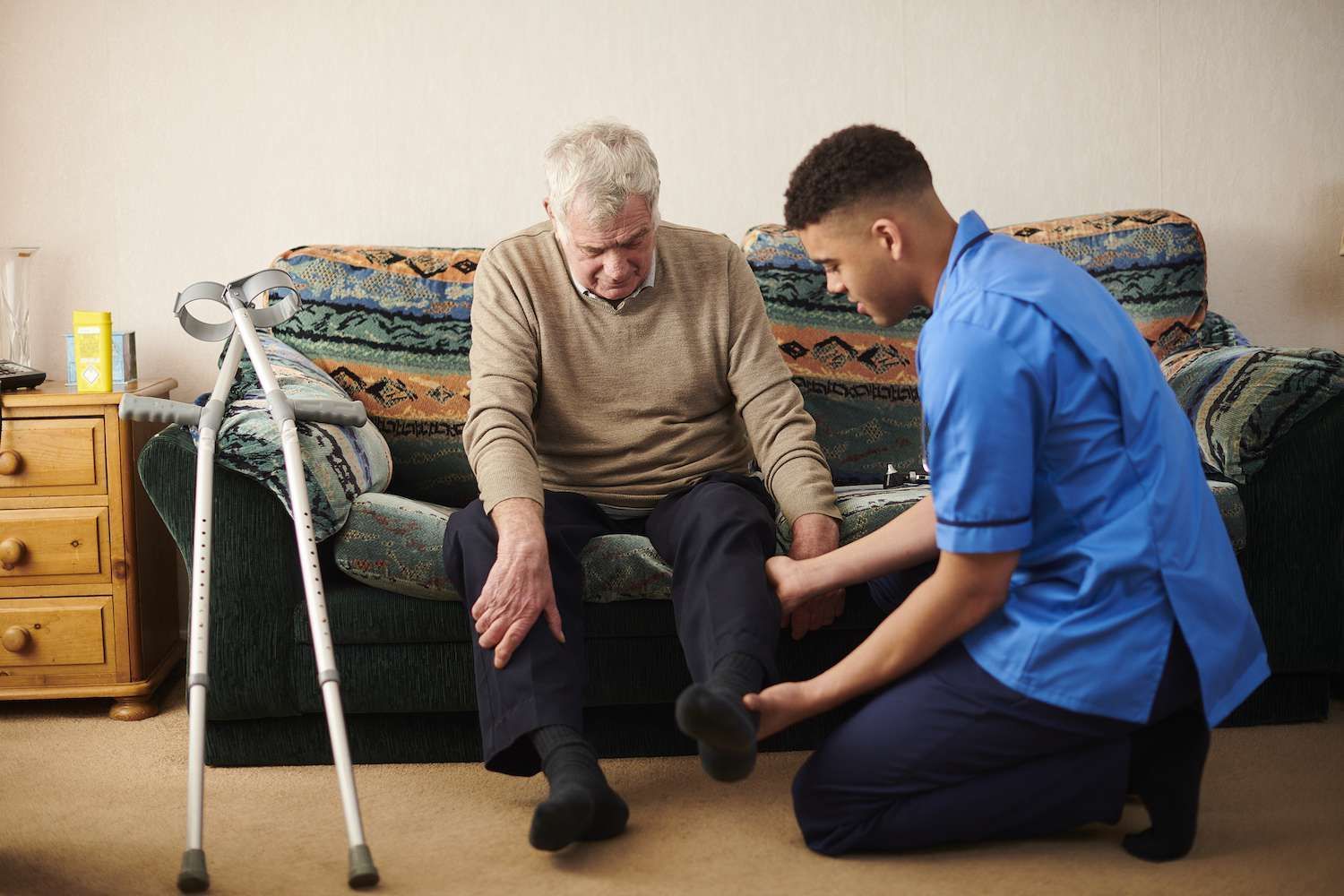
Watching our parents age can be a bittersweet experience. As they grow older, they may require additional support and assistance with daily tasks. However, it is not uncommon for seniors to resist the idea of needing help, often due to a desire to maintain their independence or a fear of becoming a burden. As a trusted licensed home care agency, we understand the delicate balance between respecting your parents' autonomy and ensuring their well-being. In this article, we will explore some key signs that may indicate your parents need assistance, even if they are reluctant to admit it.
As your parents age, it's important to pay attention to subtle changes in their behavior and health that may indicate they need additional support at home. At 7 Day Home Care, a trusted New York-based home care agency with offices in Manhattan and Lake Success, we understand the importance of recognizing these signs early on. Whether you reside in Manhattan, Queens, Brooklyn, or Long Island, our team of dedicated home health aides is here to provide the personalized care and assistance your loved ones deserve. Let's explore six common signs that may indicate it's time to consider professional home care for your aging parents.
1. Changes in Personal Hygiene and Appearance May Indicate the Need for a Home Health Care Agency Near You
One of the earliest signs that your parents may require assistance is a decline in their personal hygiene and appearance. Are they neglecting grooming habits they used to take pride in? Have you noticed a lack of cleanliness or unkempt clothing? These changes could indicate that they are struggling to perform tasks such as bathing, dressing, or doing laundry.
2. Difficulty Managing Household Chores Can be a Sign for the Need of a Home Health Aide
Take note if you observe your parents struggling with routine household chores. Are there signs of clutter or disorganization in their living space? Are they finding it challenging to cook meals or keep up with grocery shopping? Difficulty in managing these tasks could suggest that their physical or cognitive abilities have declined, making it harder for them to maintain a safe and clean home.
3. A Home Health Care Agency can Help with Unexplained Weight Loss or Malnutrition
Pay attention to any significant changes in your parents' weight or eating habits. Sudden weight loss or signs of malnutrition may indicate that they are having difficulty preparing nutritious meals or are experiencing a loss of appetite. This could lead to health issues, weakness, and a decline in overall well-being.
4. Reduce the Risks of Medication Mismanagement through a Home Care Agency
Managing medications can become increasingly complex as individuals age, especially if they have multiple prescriptions. Look for signs of medication mismanagement, such as unopened or expired medications, missed doses, or confusion about the correct dosage and timing. Mishandling medications can have serious consequences for your parents' health and safety.
5. Social Isolation and Withdrawal and the Need for Companionship
A sudden or persistent withdrawal from social activities and hobbies can be a sign that your parents are struggling with their physical or mental health. They may feel isolated due to mobility limitations, decreased energy, or feelings of depression. Engaging in social activities is crucial for maintaining cognitive function and overall well-being, so it is essential to address any signs of social withdrawal.
6. Increased Forgetfulness and Confusion Can Cause Risks which a Home Health Aide can Help Mitigate
Memory lapses, forgetfulness, and confusion are common concerns as individuals age. However, if you notice a significant decline in your parents' ability to remember appointments, events, or important details, it may be time to seek assistance. Severe forgetfulness or confusion can pose safety risks, such as forgetting to turn off appliances or becoming disoriented in familiar surroundings.
Recognizing when your parents need help can be a challenging process, especially when they resist the idea. As a home care agency, we understand the importance of open communication, empathy, and respect during this sensitive time. By paying attention to the signs discussed above, you can initiate conversations about their changing needs and help them understand the benefits of receiving professional assistance. Our experienced caregivers are dedicated to providing personalized care and support while allowing your parents to maintain their independence and dignity. Remember, early intervention can lead to improved well-being and a better quality of life for your loved ones.
If you notice any of these signs in your aging loved ones, it may be time to consider seeking assistance from professionals like 7 Day Home Care. With offices conveniently located in Manhattan and Lake Success, our team of compassionate home health aides serves Manhattan, Queens, Brooklyn, and Long Island, New York. Don't wait until a crisis arises; let us provide the support and care your parents deserve to maintain their independence and quality of life at home. Contact us today at 516-408-0034 or visit 7 Day Home Care to learn more about our services and how we can help your family.
Brian Callahan
7 Day Home Care