20 Benefits of Aging at Home for the Elderly
20 Benefits of Aging at Home for the Elderly
7 Day Home Care provides top-tier home care services designed to support families who want to ensure their elderly loved ones can safely and comfortably age at home. With a team of trained and compassionate caregivers, 7 Day Home Care offers a wide range of services tailored to meet each client's unique needs, from assistance with daily activities like bathing, dressing, and meal preparation to specialized care for those with chronic conditions, dementia, or mobility limitations. The agency’s Registered Nurses develop customized care plans that address not only physical well-being but also emotional and social health, helping seniors maintain a sense of dignity and independence. 7 Day Home Care prioritizes quality and continuity, offering flexible scheduling and backup support to ensure there’s no disruption in care, giving families peace of mind. The agency also values clear communication and works closely with families to keep them updated and involved, creating a collaborative approach to caregiving that strengthens family bonds while promoting senior well-being. With services available seven days a week, 7 Day Home Care stands out as a dependable, compassionate choice for families dedicated to providing their loved ones with the highest standard of in-home care.
7 Day Home Care provides home care services in Manhattan, Queens, Brooklyn, Nassau County, and Suffolk County, New York. To learn more about our home care services, please call 516-408-0034.

Aging at Home Offers Numerous Emotional, Physical, and Financial Advantages
As the elderly population grows, more seniors and their families are exploring options for aging in place, choosing to live independently in the comfort of their own homes rather than moving into assisted living facilities or nursing homes. Aging at home has become increasingly appealing because it offers numerous emotional, physical, and financial advantages. At 7 Day Home Care, we believe that seniors deserve to experience these benefits fully and to enjoy their golden years surrounded by familiarity and dignity.
In this article, we’ll discuss the top 20 benefits of aging at home for seniors, highlighting why this option not only promotes well-being but is also a practical solution for many families.
1. Maintains Senior Independence at Home
Aging at home allows seniors to keep control over their day-to-day lives. They can make their own choices about what they want to do each day, fostering a sense of self-worth and independence that is crucial for their mental well-being.
2. Provides Emotional Comfort and Security
Being in a familiar environment surrounded by cherished memories and personal belongings provides emotional comfort and a sense of security. Seniors often feel more at ease in their own homes, which positively impacts mental health and stability.
3. Personalized In-Home Care Services
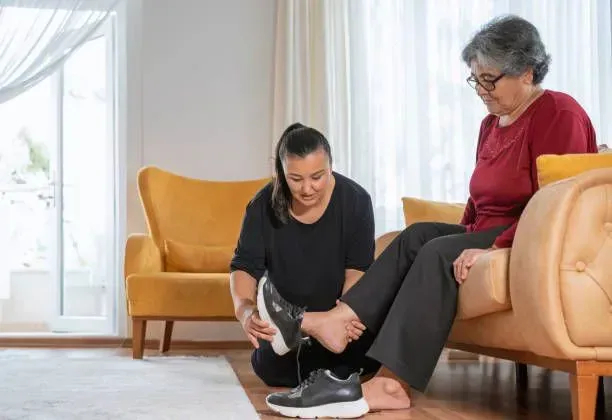
In-home care services, like those offered by 7 Day Home Care, are fully customizable. Seniors receive tailored support that matches their unique needs and preferences, benefiting from one-on-one attention and focused care that promotes well-being.
4. Reduces the Risk of Shared Living-Acquired Infections
Aging in place decreases exposure to hospital, skilled nursing facility, assisted living, or nursing home-acquired infections, as seniors are not in a shared living environment where germs can spread more easily. This is especially important for elderly individuals with weaker immune systems.
5. Offers Financial Savings
Aging at home is often more cost-effective than residential care facilities. Customizable home care plans let seniors and families choose the level of assistance that fits their needs and budgets, making it a financially sensible solution.
6. Strengthens Family Involvement in Care
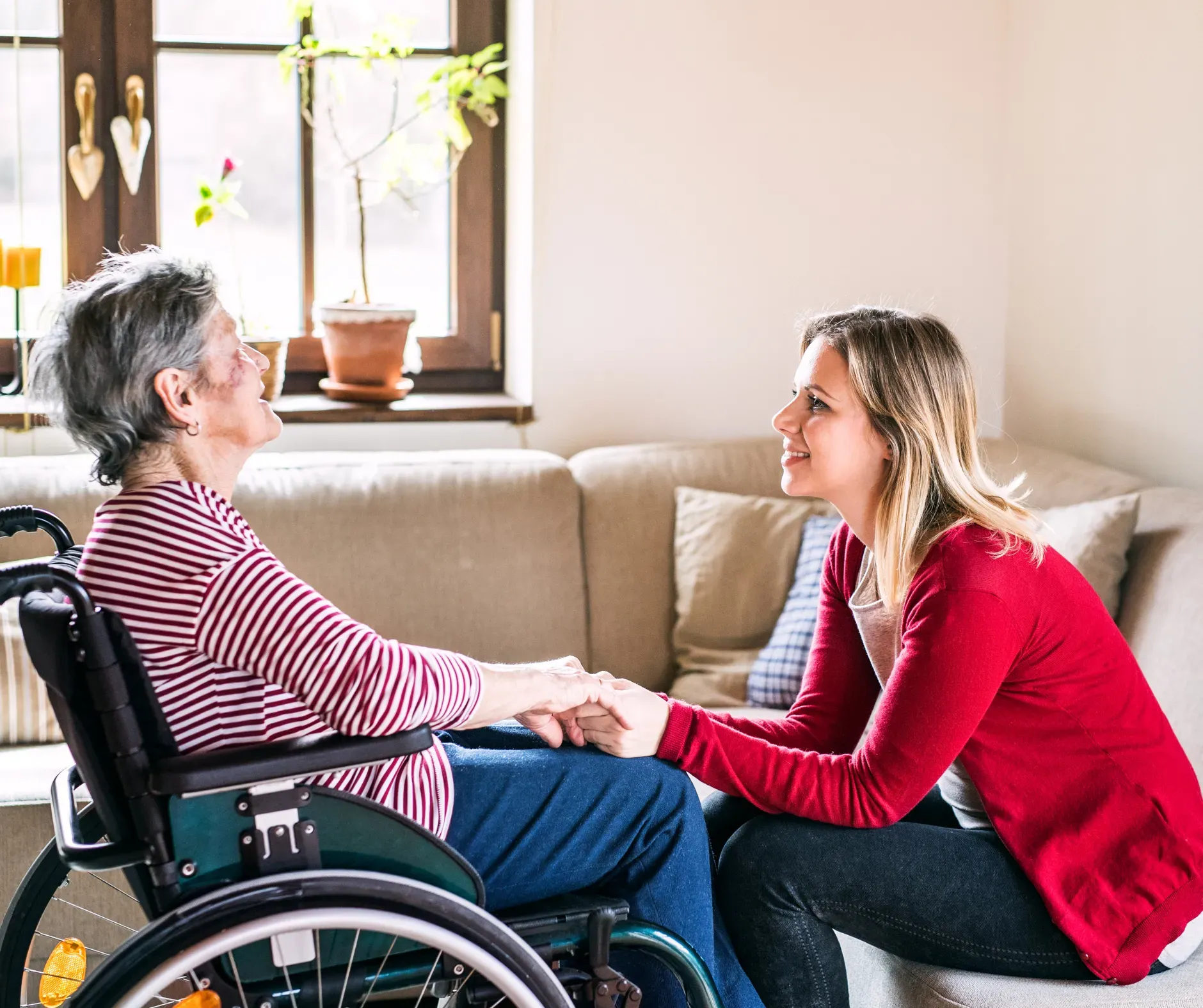
Remaining at home enables closer family involvement. Loved ones can visit more frequently and even participate in caregiving, providing emotional support and companionship that greatly enhance a senior’s quality of life.
7. Promotes Better Physical Health Outcomes
Studies show that seniors who age at home often experience better physical health outcomes, with fewer falls and hospitalizations. Familiarity with surroundings helps reduce accident risks, especially with necessary modifications.
8. Enhances Emotional Stability and Well-being
Seniors aging in place are often less prone to depression and anxiety. A familiar setting with a predictable routine fosters emotional stability and mental resilience, essential components of overall health.
9. Allows for Personalized Home Modifications
Aging in place means the home can be modified for accessibility, such as adding grab bars, ramps, or stairlifts. These improvements enhance safety, allowing seniors to navigate their space comfortably and confidently.
10. Encourages Physical Activity and Mobility at Home
With access to their own gardens, backyards, and safe community areas, seniors at home can engage in physical activity more freely. Simple activities like gardening or walking around the neighborhood promote mobility and reduce health decline.
11. Supports a Sense of Control Over Daily Activities
Aging at home provides seniors the freedom to manage their own schedules, choose meals, and set daily routines, enhancing their autonomy and quality of life.
12. Fosters Social Connections and Engagement
Remaining in their community allows seniors to maintain relationships with neighbors, friends, and local connections. Social engagement combats loneliness and enhances mental health and cognitive function.
13. Access to Favorite Activities and Hobbies
Aging in place allows seniors to continue favorite activities, such as gardening, playing with pets, or enjoying hobbies, which can improve mood and cognitive health.
14. Supports Cognitive Health Through Familiarity
A familiar environment reduces confusion and stress, especially for seniors with cognitive impairments like dementia. Regular routines and visual reminders at home support memory and cognitive function.
15. Respects End-of-Life Preferences
Many seniors prefer to spend their final years or days at home, surrounded by loved ones. Aging at home honors this preference, providing comfort and dignity during end-of-life care.
16. Meets Individualized Care Needs
In-home care, such as that provided by 7 Day Home Care, enables caregivers to focus on the specific needs and preferences of the senior, from meal choices to exercise and activities, making care more meaningful.
17. Reduces Stress from Moving
The process of relocating to a new living situation can be emotionally and physically challenging. Aging at home avoids this stress, allowing seniors to remain stable in their familiar environment.
18. Promotes Lifelong Learning and Hobbies
With the freedom of aging in place, seniors can explore online classes, engage in new hobbies, or pursue lifelong learning. Access to books, creative activities, and classes keeps the mind active and enhances quality of life.
19. Accessible In-Home Health Services
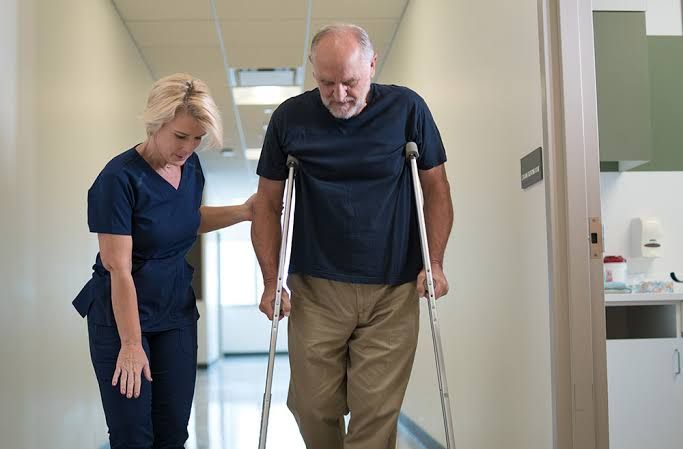
Today, many healthcare services offer in-home options, such as physical therapy, occupational therapy, and wellness checkups, making it easier for seniors to get the care they need without the strain of traveling.
20. Aligns with Modern Healthcare Trends
Home care aligns with today’s healthcare models, which emphasize aging in place and preventive care. This approach reduces strain on hospitals and nursing homes while ensuring seniors receive personalized, attentive care.
Aging in place is an empowering choice for seniors, allowing them to remain in cherished surroundings while receiving the personalized support they need. At 7 Day Home Care, we provide compassionate, high-quality in-home care services that promote independence, dignity, and peace of mind for seniors and their families.
As more families consider the benefits of aging at home, our team at 7 Day Home Care is here to offer guidance, support, and comprehensive care plans tailored to each individual. Whether it’s daily assistance, companionship, or specialized care, we are dedicated to helping seniors live their best lives at home. 7 Day Home Care is licensed by the New York State Department of Health to provide home care services in Manhattan, Queens, Brooklyn, Nassau County, and Suffolk County, New York. To learn more about our home care services, please call 516-408-0034.
Brian Callahan
7 Day Home Care