12 Warning Signs a Senior Should Stop Driving
National Care Planning Council explains "aging seniors dread the day they will lose more of their independence by having to give up their driver's license. Unfortunately, no longer being safe behind the wheel is a difficult reality aging seniors must face."
Insurance Institute for Highway Safety reports "advancing age can bring impairments that affect driving ability. Drivers age 70 and older have higher fatal crash rates per mile traveled than middle-aged drivers. The number of drivers age 70 and older is growing. Older people make up a bigger proportion of the population than they used to, and their share continues to grow. In addition, older drivers are keeping their licenses longer."
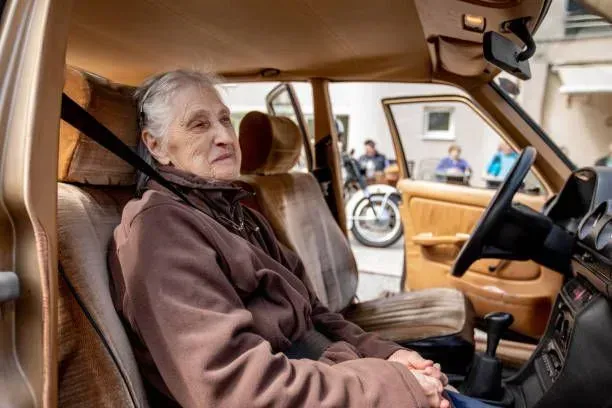
At 7 Day Home Care, we acknowledge the complex decision of when a senior should cease driving, a transition that can significantly impact both their independence and overall safety. As advocates for comprehensive senior care, we believe in fostering awareness around the crucial signs that may indicate a diminished ability to drive safely. In this exploration, we aim to guide families and caregivers through the 12 warning signs that necessitate a thoughtful reevaluation of a senior's driving capabilities. Our commitment is not only to providing exceptional in-home care but also to promoting the well-being and safety of seniors in every aspect of their lives. Let's navigate the nuanced terrain of recognizing when it might be time for a senior to transition away from driving.
- Frequent Near Misses or Accidents: If a senior experiences frequent close calls or minor accidents, it may indicate diminished driving skills.
- Slower Reaction Time: Difficulty reacting quickly to unexpected situations, such as sudden stops, can be a sign of declining cognitive and physical abilities.
- Getting Lost in Familiar Areas: Seniors getting lost in places they know well may signal challenges with spatial awareness and memory.
- Difficulty Reading Signs and Navigating Traffic Signals: Struggling to read road signs or comprehend the meaning of traffic signals can pose significant risks on the road.
- Increased Traffic Violations: A rise in traffic violations, such as running red lights or not obeying speed limits, may indicate a decline in adherence to traffic rules.
- Poor Judgment in Complex Driving Situations: Difficulty making sound decisions in complex scenarios, like merging onto highways, suggests a decline in cognitive functions.
- Difficulty Maintaining Consistent Speed: Trouble maintaining a steady speed, driving too slowly or too quickly without reason, may indicate diminished control.
- Increased Anxiety or Fear of Driving: Expressing heightened anxiety or fear about driving, especially in routine situations, may signal a lack of confidence.
- Deteriorating Physical Health: Physical conditions like arthritis or weakened muscles can impact a senior's ability to handle the physical demands of driving.
- Forgetfulness or Confusion During Driving: Forgetfulness about the destination, confusion regarding routes, or difficulty in operating the vehicle are serious signs.
- Changes in Vision: A decline in vision, including difficulty seeing at night or problems with peripheral vision, can significantly impair driving safety.
- Medication Side Effects: Certain medications may cause drowsiness or impair cognitive functions, affecting a senior's ability to drive safely.
It's crucial to note that these warning signs may indicate a need for a comprehensive assessment of a senior's driving abilities. Families and healthcare professionals should work together to ensure the safety of both the senior driver and others on the road.
At 7 Day Home Care, we recognize the profound impact that the decision to stop driving can have on a senior's life. As we conclude this discussion on the 12 warning signs that may indicate a senior should no longer be driving, our commitment extends beyond awareness to proactive support. We understand that giving up the keys may be challenging, but it marks a transition towards safer and more sustainable alternatives. Our cost-effective home care services, available in Manhattan, Queens, Brooklyn, Nassau County, and Suffolk County, New York, are designed to provide the necessary support and companionship for seniors as they navigate this significant life change. Our goal is to ensure the continued well-being and independence of our seniors, fostering an environment where they can thrive at every stage of life.
Brian Callahan
7 Day Home Care