10 Benefits of Caregiver Support Groups
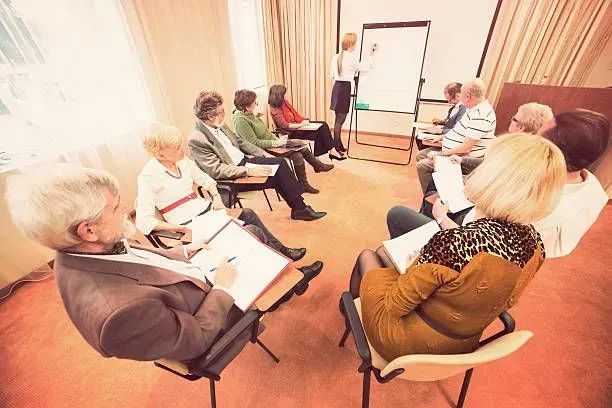
At 7 Day Home Care, we recognize the profound challenges that come with caregiving, and we understand that support is crucial for both the caregiver and the care recipient. Caregiver support groups stand as beacons of understanding and solidarity in the often demanding world of caregiving. Here, we explore the invaluable benefits of joining caregiver support groups, acknowledging the pivotal role these gatherings play in fostering emotional well-being, providing practical advice, and creating a supportive community. As advocates for comprehensive care, we believe that caregiver support is not just about the individual caregiver but extends to the enhanced quality of care provided to their loved ones. Let's delve into the transformative advantages that caregiver support groups bring to those navigating the intricate journey of caregiving.
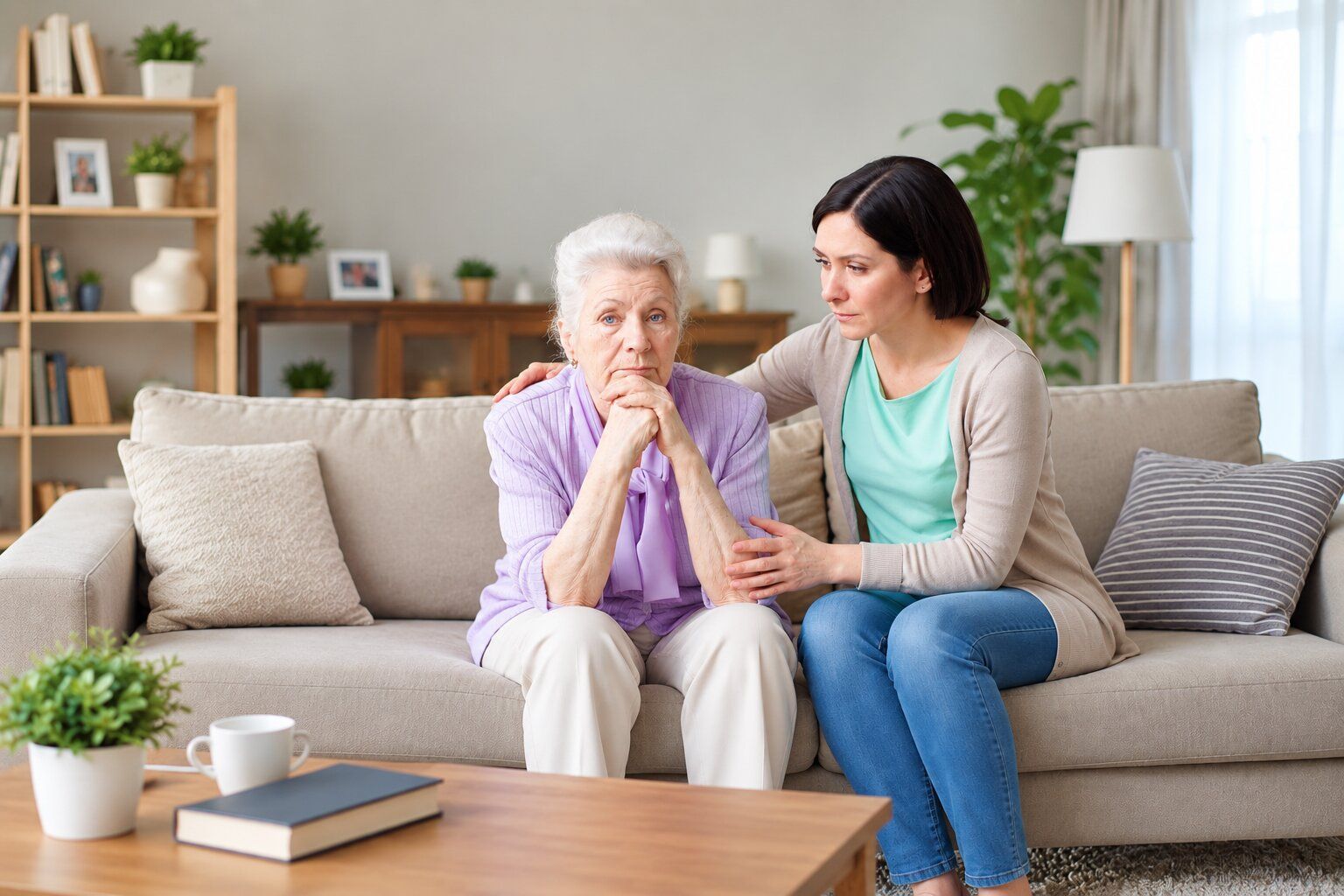
- Emotional Support: Caregiver support groups offer a safe space for individuals to express their emotions, providing a supportive environment where they can share their experiences, challenges, and feelings without judgment.
- Shared Understanding: Connecting with others who are facing similar caregiving situations fosters a sense of camaraderie and shared understanding, reducing the sense of isolation often experienced by caregivers.
- Practical Advice: Caregiver support groups provide a platform for sharing practical tips and advice on managing various aspects of caregiving, from navigating healthcare systems to addressing daily challenges.
- Stress Reduction: Participating in a support group can alleviate stress by offering an outlet for caregivers to discuss their concerns, ultimately promoting mental and emotional well-being.
- Education and Information: Support groups often feature expert speakers or discussions that provide valuable information about specific conditions, caregiving techniques, and available resources, empowering caregivers with knowledge.
- Problem Solving: Caregivers can collaborate on finding solutions to common caregiving issues, offering a forum for collective problem-solving and learning from each other's experiences.
- Validation of Feelings: Sharing experiences with peers in a support group validates caregivers' feelings and challenges, reinforcing that they are not alone in their journey.
- Improved Coping Strategies: Caregiver support groups help individuals develop effective coping strategies by learning from others who have successfully navigated similar caregiving situations.
- Enhanced Self-Care: Through shared experiences and advice, caregivers gain insights into the importance of self-care. Support groups encourage caregivers to prioritize their own well-being, recognizing that taking care of oneself is crucial for effective caregiving.
- Building a Support Network: Participating in a caregiver support group allows individuals to build a valuable support network. These connections often extend beyond the group meetings, providing ongoing encouragement and assistance throughout the caregiving journey.
At 7 Day Home Care, we are committed to enriching the lives of both caregivers and their loved ones, recognizing the profound impact that caregiver support can have on the well-being of individuals and families. As we conclude our exploration of the 10 benefits of caregiver support, we want to emphasize that our in-home care services extend beyond meeting physical needs. In Manhattan, Queens, Brooklyn, Nassau County, and Suffolk County, New York, we specialize in Alzheimer's and dementia care, stroke recovery care, cancer support, chronic disease in-home care, and respite care. Our person-centered care approach underscores the importance of holistic well-being, and we encourage caregivers to seek and embrace the support they need. At 7 Day Home Care, we stand as a steadfast partner, providing compassionate care and fostering a community that values and supports the incredible work of caregivers.
Brian Callahan
7 Day Home Care