Late Stage Dementia Care at Home: Safety, Support, and Daily Care Needs
Late Stage Dementia Care at Home: Safety, Support, and Daily Care Needs

Caring for a loved one with late-stage dementia is not something families are ever fully prepared for. What often begins as mild memory loss slowly progresses into a stage where individuals require constant supervision, hands-on assistance, and emotional reassurance throughout the day and night. For many families, this stage brings fear, exhaustion, and uncertainty — especially when trying to balance work, personal responsibilities, and caregiving.
Late-stage dementia care is no longer about reminders or supervision alone. It involves complex physical care, safety management, and emotional support that can quickly overwhelm even the most devoted family members. This is why many families in New York turn to manhattan home health care services to help their loved ones remain safe, comfortable, and dignified at home.
With the right professional support, late-stage dementia patients can continue living in familiar surroundings while families receive the guidance and relief they need. Trusted providers like 7 Day Home Care specialize in supporting families through this difficult stage with structured, compassionate, and personalized care.
Understanding Late Stage Dementia
Late-stage dementia, also known as advanced dementia, is the most severe phase of the condition. At this stage, individuals experience significant cognitive, physical, and functional decline that affects nearly every aspect of daily life.
What Late Stage Dementia Means
In late-stage dementia, the brain’s ability to process information, control movement, and regulate bodily functions is severely impaired. Individuals may:
- Lose the ability to communicate verbally or speak only a few words
- Forget close family members, including spouses or children
- Become fully dependent on others for daily activities
- Experience difficulty swallowing, walking, or sitting upright
This stage requires continuous care and monitoring, as individuals can no longer recognize danger or express their needs clearly.
Cognitive, Physical, and Behavioral Changes
As dementia progresses into its final stage, families often notice:
- Severe memory loss and confusion
- Loss of awareness of surroundings
- Reduced mobility, often requiring a wheelchair or bed care
- Behavioral symptoms such as agitation, anxiety, resistance to care, or withdrawal
These changes are not intentional behaviors — they are symptoms of neurological decline and must be handled with patience and specialized training.
How Care Needs Intensify at This Stage
Late-stage dementia care shifts from supportive assistance to total care management. Families are no longer just helping — they are performing complex caregiving tasks that require medical awareness, physical strength, and emotional resilience. Without professional support, the risk of injury, burnout, and emergency hospitalization increases significantly.
Daily Care Needs in Late Stage Dementia
Providing proper care at this stage requires a structured, compassionate, and consistent approach. Professional manhattan home health care services focus on meeting these needs safely and respectfully.
Mobility and Transfer Assistance
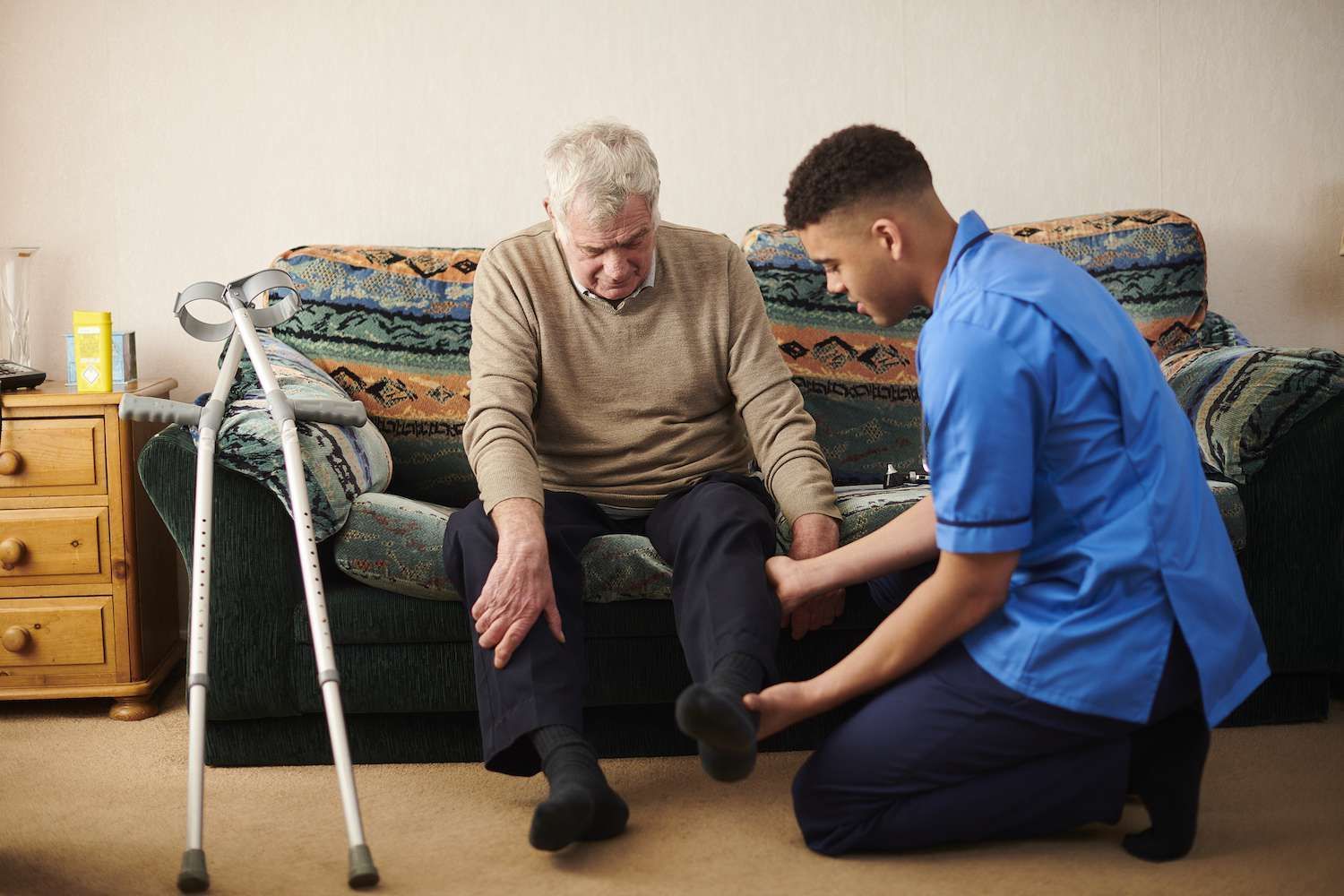
Most late-stage dementia patients experience muscle weakness, poor balance, or complete loss of mobility. Care includes:
- Safe transfers between bed, chair, and wheelchair
- Repositioning to prevent stiffness and discomfort
- Fall prevention strategies within the home
Trained caregivers understand proper body mechanics to protect both the patient and themselves from injury.
Feeding, Hydration, and Swallowing Issues
Eating and drinking become major concerns due to:
- Difficulty chewing or swallowing
- Loss of appetite
- Risk of choking or aspiration
Caregivers assist with feeding, encourage hydration, and follow physician-recommended dietary modifications to reduce complications.
Personal Hygiene and Incontinence Care
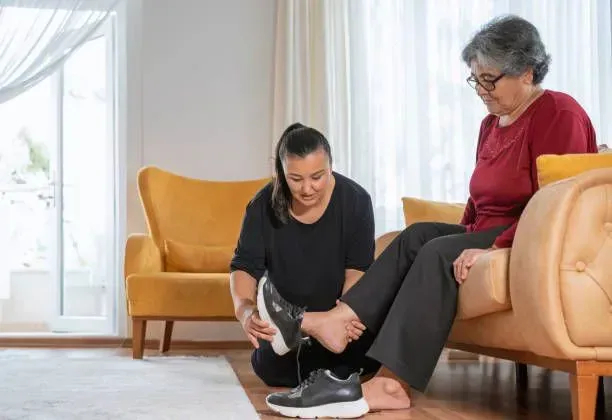
Late-stage dementia patients usually require full assistance with:
- Bathing and grooming
- Dressing
- Toileting and incontinence care
Maintaining hygiene is essential not only for comfort but also for preventing infections and skin breakdown.
Medication Management
Medication regimens can be complex and must be followed precisely. Professional caregivers ensure:
- Correct dosages at the right times
- Monitoring for side effects
- Coordination with nurses or physicians when changes occur
This level of oversight reduces medication errors and unnecessary hospital visits.
Skin Care and Pressure Ulcer Prevention
Limited mobility significantly increases the risk of pressure ulcers. Proper care involves:
- Regular repositioning
- Skin inspections
- Keeping skin clean and dry
These preventive measures are critical in late-stage dementia care at home.
Emotional Reassurance and Companionship
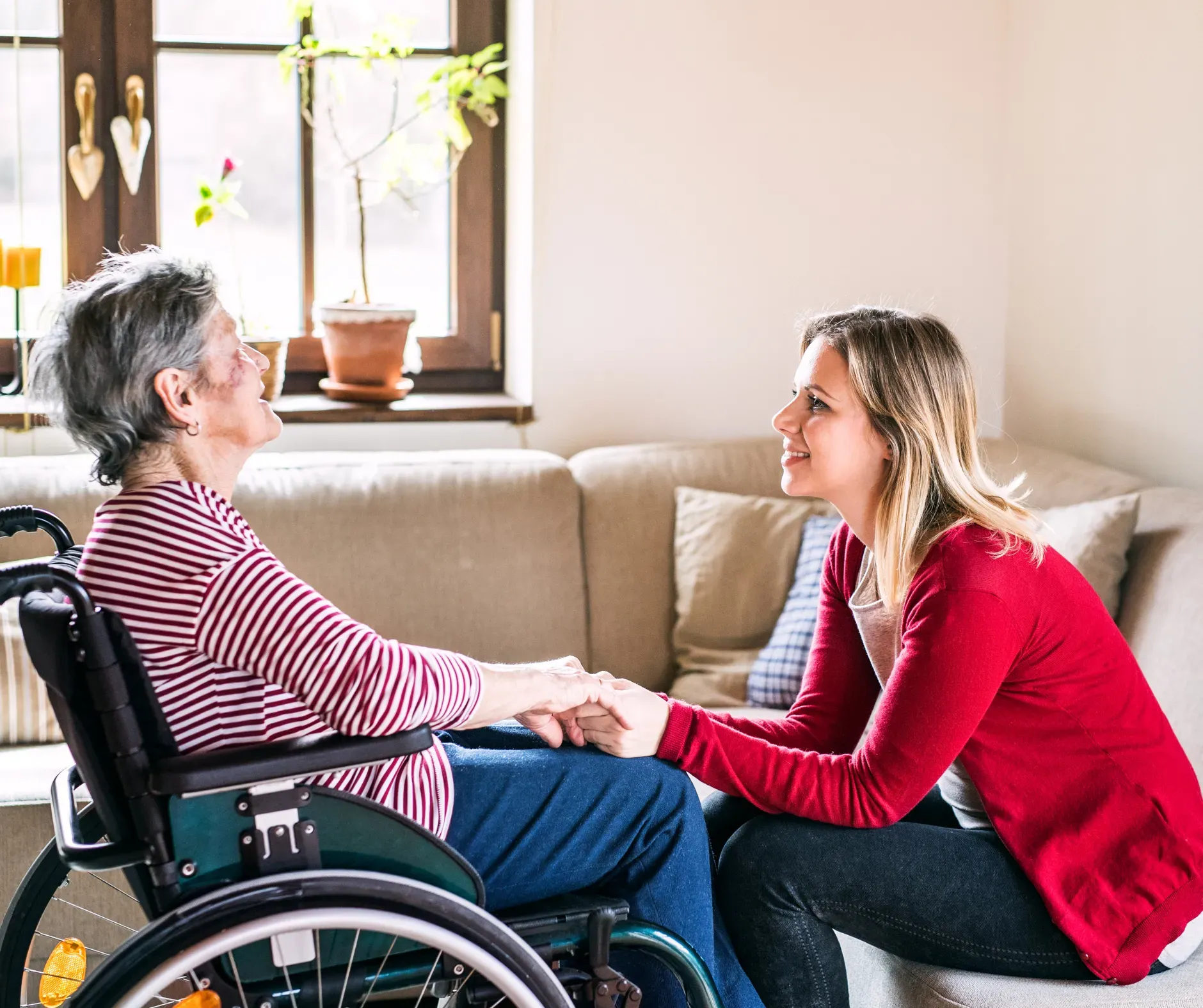
Even when verbal communication is limited, emotional awareness often remains. Gentle conversation, familiar routines, and calm reassurance help reduce agitation and anxiety. Compassionate presence is a core part of quality dementia care.
Safety Challenges of Late Stage Dementia at Home
Safety is one of the biggest concerns families face when caring for someone with advanced dementia.
Fall Risks
Loss of balance and coordination increases fall risk, especially in apartments or homes not designed for limited mobility.
Wandering and Confusion
Some individuals experience moments of restlessness or confusion that can lead to unsafe movement, even in late stages.
Nighttime Agitation
Sleep disturbances are common and may result in nighttime confusion, agitation, or attempts to get out of bed unassisted.
Emergency Situations
Late-stage dementia patients may be unable to communicate pain, illness, or distress, delaying medical response.
Why Unmanaged Care Increases Hospitalizations
Without professional support, families may miss subtle warning signs. This often leads to preventable hospitalizations that accelerate decline and cause emotional trauma.
How Professional Home Health Care Supports Late Stage Dementia
Professional manhattan home health care services bring structure, experience, and consistency to late-stage dementia care.
Role of Trained Caregivers
Caregivers are trained to handle advanced dementia needs, including:
- Safe physical assistance
- Behavioral symptom management
- Emotional reassurance
Role of Home Health Aides and Nurses
Depending on the care plan, services may include:
- Skilled nursing visits
- Health monitoring
- Coordination with doctors and therapists
24-Hour and Live-In Care Options
Late-stage dementia often requires continuous supervision. 24-hour or live-in care ensures:
- Safety at all times
- Immediate response to needs
- Reduced caregiver stress
Personalized Care Plans
No two dementia journeys are the same. Providers like 7 Day Home Care develop individualized care plans based on medical needs, routines, and family preferences.
Family Communication and Ongoing Support
Regular updates and open communication help families stay informed and involved without becoming overwhelmed.
Benefits of Choosing Home Care Over Facilities
Many families struggle with the decision between home care and facility placement.
Familiar Environment
Remaining at home reduces confusion and anxiety caused by unfamiliar settings.
Reduced Stress for Dementia Patients
Consistency in surroundings and caregivers helps stabilize emotions.
One-on-One Attention
Unlike facilities, home care provides individualized focus and attention.
Improved Quality of Life
Comfort, dignity, and personalized routines improve overall well-being.
Support for Family Caregivers
Professional care allows families to rest, recover, and focus on emotional connection rather than constant caregiving tasks.
Late Stage Dementia Care in Manhattan & Nearby Areas
Providing dementia care in New York comes with unique challenges.
Dementia Care in Manhattan Apartments
Limited space, stairs, and older buildings require thoughtful planning to maintain safety and mobility.
How Manhattan Senior Home Care Adapts
Manhattan senior home care services are designed to work within urban environments, adjusting care strategies accordingly.
Regional Care Availability
Families also rely on trusted services such as:
- elderly care manhattan
- westbury home health care
- home care floral park ny
Providers like 7 Day Home Care understand the needs of both city and suburban families and tailor services accordingly.
When Families Should Seek Professional Help
Delaying care often leads to crisis situations.
Warning Signs Families Often Ignore
- Frequent falls or near-misses
- Missed medications
- Weight loss or dehydration
Caregiver Burnout Indicators
Chronic exhaustion, stress, and emotional strain signal the need for help.
Safety Red Flags
Any situation where safety is compromised requires immediate professional involvement.
Emotional Decision-Making Support
Seeking help is not giving up — it is choosing safety, dignity, and sustainability.
Frequently Asked Questions
Q.1 Can late-stage dementia patients be cared for at home?
Yes, with professional support, many patients can remain safely at home.
Q.2 Is 24-hour care necessary?
In most late-stage cases, continuous supervision is strongly recommended.
Q.3 How does home health care support families?
It reduces physical strain, emotional stress, and uncertainty.
Q.4 What makes dementia home care different from assisted living?
Home care offers one-on-one, personalized support in familiar surroundings.
Q.5 How do caregivers manage behavioral symptoms?
Through calm routines, patience, and specialized dementia training.
Q.6 When should families contact a provider like 7 Day Home Care?
When safety, health, or caregiver well-being becomes a concern.
Conclusion
Caring for a loved one with late-stage dementia can feel overwhelming — but you don’t have to handle it alone. With the right professional support, families can protect their loved one’s safety, comfort, and dignity at home.
7 Day Home Care provides trusted, compassionate manhattan home health care services for families across Manhattan, Queens, Brooklyn, Long Island, Westbury, Floral Park, and surrounding New York communities. Our experienced caregivers offer personalized dementia care, including 24-hour and live-in support, tailored to each family’s unique needs.
📞
Call 7 Day Home Care today for a
FREE consultation to discuss advanced dementia care options near you.
Let our team help you build a safe, reliable care plan — so your family can focus on what truly matters.