How to Safely Dispose of Unwanted Medication
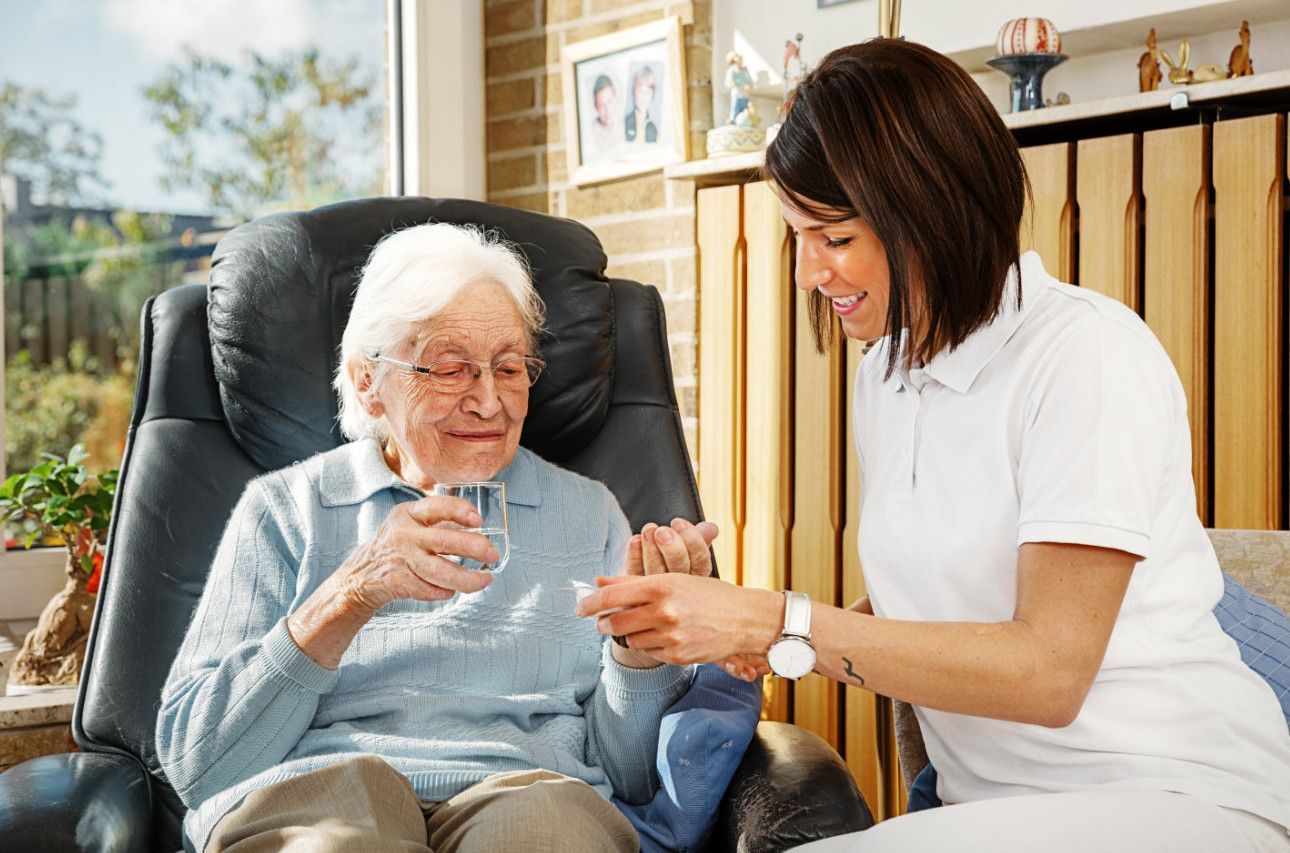
The U.S. Food & Drug Administration (FDA) communicates as follows: "Is your medicine cabinet full of expired drugs or medications you no longer use? Your medicine is for you. What’s safe for you might be harmful for someone else. The best way to dispose of your expired, unwanted, or unused medicines is through a drug take back program — or you can do it at home."
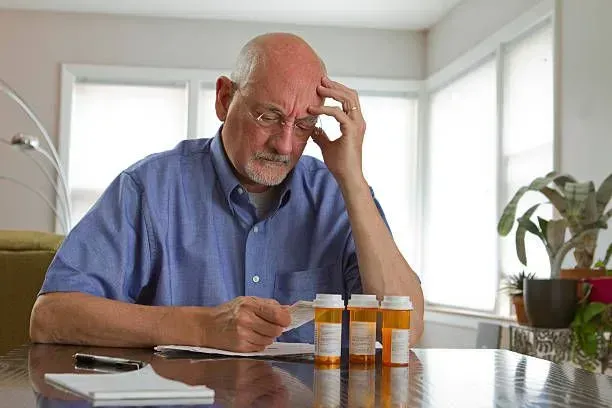
Unwanted or expired medications pose a potential risk to individuals and the environment if not disposed of properly. 7-Day Home Care recognizes the importance of responsible medication disposal and aims to provide a guide on how to safely get rid of unwanted medication.
- Understanding the Risks: It's crucial to understand why proper medication disposal is necessary. Unused medications can lead to accidental ingestion, misuse, or even contribute to environmental pollution if not handled appropriately.
- Check Medication Labels: Before disposal, carefully check the medication labels for any specific instructions on how to dispose of them. Some medications come with specific disposal guidelines that should be followed.
- Community Take-Back Programs: Many communities organize drug take-back programs, providing a safe and convenient way to dispose of medications. These programs often involve local law enforcement or pharmacies and aim to collect and dispose of medications properly.
- Pharmacy Disposal: Local pharmacies often accept unused or expired medications. Check with your neighborhood pharmacy to see if they have a medication disposal program. They can guide you on the proper procedures to drop off your unwanted medications.
- Disposal Guidelines for Home: If community programs or pharmacies are not accessible, follow these general guidelines for at-home disposal: Remove personal information from prescription labels. Mix medications with undesirable substances like used coffee grounds or kitty litter. Place the mixture in a sealed container or bag before throwing it in the household trash.
- Do Not Flush: Avoid flushing medications down the toilet or sink unless the medication label specifically instructs this method. Flushing can contribute to water contamination and environmental damage.
- Sharps Disposal: If your medication involves the use of needles or other sharps, follow specific guidelines for safe disposal. Many communities have designated drop-off locations for sharps disposal to prevent accidental needlesticks.
- Educating Others: Spread awareness about proper medication disposal within your community. Encourage family, friends, and neighbors to adopt responsible practices to ensure collective safety.
- Environmental Impact: Highlight the environmental impact of improper medication disposal. Emphasize that responsible disposal protects water sources, wildlife, and overall ecosystem health.
- Stay Informed: Stay updated on local and national guidelines regarding medication disposal. Regulations and recommendations may change, so being aware of the latest information ensures compliance with best practices.
Responsible medication disposal is a critical aspect of maintaining personal and environmental well-being. By following these guidelines and promoting awareness within your community, you contribute to a safer and healthier living environment for everyone. 7 Day Home Care encourages individuals to take an active role in proper medication disposal to safeguard their households and communities.
7 Day Home Care stands as a beacon of affordable and compassionate home care services across Queens, Manhattan, Brooklyn, Nassau County, and Suffolk County in New York. Specializing in delivering unparalleled support, our organization is dedicated to fostering companionship and assisting with Activities of Daily Living (ADLs) for individuals in need. By offering services in a person-centered manner, 7 Day Home Care ensures that each client receives tailored and individualized care that not only addresses their specific requirements but also promotes a sense of dignity and autonomy. Through our commitment to affordability and a client-focused approach, 7 Day Home Care strives to make quality in-home care accessible to diverse communities in the heart of New York City and Long Island.
Brian Callahan
7 Day Home Care