FEV₁ Test Results Explained: Top 10 Patient Questions
The FEV₁ score is one of the most reliable indicators of how well your lungs are functioning, yet most patients don’t realize it’s the number doctors look at first when assessing breathing problems, recovery potential, and long-term respiratory health. FEV₁ — the amount of air you can forcefully exhale in one second — helps determine the severity of conditions like COPD, asthma, and pneumonia, and it plays a major role in predicting whether someone may struggle with daily activities, experience fatigue, or require extra support at home after hospitalization. When your FEV₁ score drops, even slightly, it can signal airflow obstruction, weakened lung muscles, or increased risk of complications — making it one of the most important lung-health numbers every patient should understand.
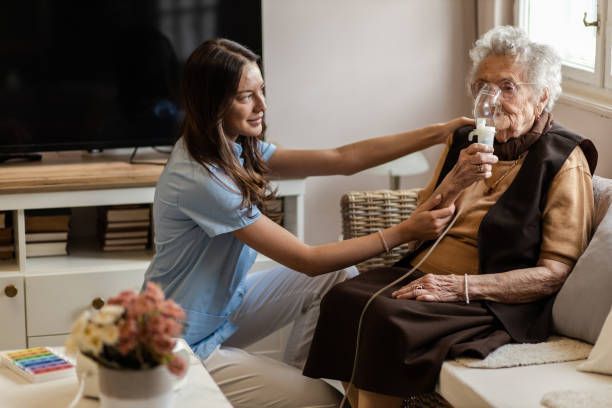
This comprehensive guide answers the Top 10 Questions Patients Ask About FEV₁
When you or a loved one undergoes lung testing, the term FEV₁ often appears on discharge summaries, spirometry reports, and pulmonary evaluations. But what does this number actually mean? And why do doctors rely on it so heavily—especially after a hospitalization for pneumonia, COPD, asthma, surgery, or respiratory illness?
This comprehensive guide answers the Top 10 Questions Patients Ask About FEV₁, and highlights when professional home care may be beneficial after low or declining lung function.
1. What Is FEV₁? (Simple Definition for Patients)
FEV₁ (Forced Expiratory Volume in 1 second) measures how much air you can forcefully exhale—in the first second—after taking a deep breath. Doctors use it to evaluate lung strength and airflow. It is one of the most important markers in diagnosing and monitoring many respiratory conditions, including:
- COPD
- Asthma
- Chronic bronchitis
- Pneumonia recovery
- Emphysema
- Post-surgical breathing capacity
In simple terms:
FEV₁ tells doctors how strong your lungs are and how well they move air.
Your FEV₁ score is not just a number — it is your lungs telling the story of how well you can live, move, and breathe today.
2. How Is FEV₁ Measured?
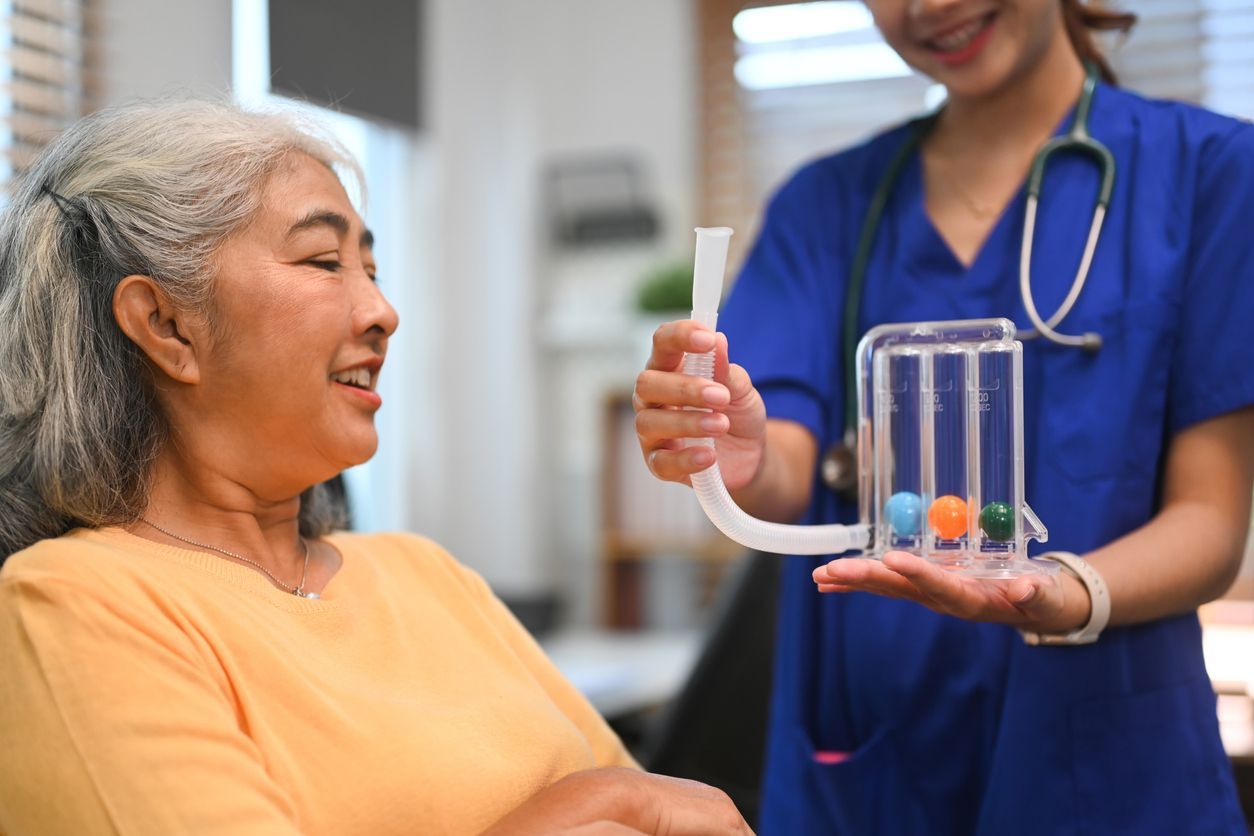
FEV₁ is measured using a spirometry test, where the patient:
- Takes a deep breath
- Blows out as hard and fast as possible
- A machine records airflow, capacity, and timing
The machine then compares your results to “predicted normal” values based on:
- Age
- Height
- Sex
- Race (in some medical settings)
An FEV₁ score is the single most powerful snapshot of how effectively your lungs can sustain the life you want to live.
3. What Is a Normal FEV₁ Score?
These categories help providers determine the level of lung impairment and whether support is needed during recovery.
- FEV₁ 80% or higher: Normal or mild impairment
- FEV₁ 50–79%: Mild to moderate obstruction
- FEV₁ 30–49%: Moderate to severe impairment
- FEV₁ below 30%: Severe obstruction with high risk
4. What Causes a Low FEV₁ Score?
A low FEV₁ usually indicates obstructed airflow or weakened respiratory muscles. Common causes include:
- COPD (most frequent cause)
- Asthma
- Pneumonia
- Long hospital stays / deconditioning
- Smoking or long-term exposure to irritants
- Heart failure
- Post-surgical weakness
- Aging and decreased muscle strength
Low FEV₁ does not always mean permanent damage, but it does require careful monitoring and possibly home care support.
5. What Symptoms Are Linked to Low FEV₁?
Patients with low FEV₁ may experience:
- Shortness of breath (especially with activity)
- Fatigue
- Difficulty climbing stairs
- Wheezing
- Chest tightness
- Trouble completing daily activities
- Weakness after minimal effort
- Increased risk of falls
These symptoms can affect safety at home—especially for seniors recovering from hospitalization.
6. What Is the FEV₁/FVC Ratio?
While FEV₁ measures airflow, FVC (Forced Vital Capacity) measures the total amount of air exhaled.
Together, the FEV₁/FVC ratio helps doctors tell if lung problems are:
- Obstructive (COPD, asthma)
- Restrictive (lung fibrosis, scarring, weakness)
A low ratio usually means obstructed airflow. A normal ratio with a low FEV₁ often means restricted lung capacity.
7. Can I Improve My FEV₁?
Yes—depending on the cause, lungs can often improve with proper treatment. Strategies include:
- Breathing exercises (pursed-lip, diaphragmatic breathing)
- Pulmonary rehab
- Proper inhaler technique
- Regular activity and walking
- Quitting smoking
- Healthy weight maintenance
- Treating respiratory infections early
For many seniors, improvement happens faster when they receive supervised support at home to safely perform breathing and mobility exercises.
8. When Should I Worry About My FEV₁ Score?
You should pay close attention if:
- FEV₁ is below 50%
- You recently had pneumonia or hospitalization
- You feel short of breath during simple tasks
- You require home oxygen
- You struggle with bathing, walking, or climbing stairs
- You feel faint or fatigued quickly
- You have COPD and recently experienced a flare-up
These are signs that lungs may not be strong enough to handle daily life alone—especially without help.
9. How Does FEV₁ Affect Home Care After Hospitalization?
This is one of the most important questions for families. A low or declining FEV₁ increases risk of:
- Falls due to breathing difficulty
- Rehospitalization
- Medication errors
- Pneumonia relapse
- Fatigue-related injuries
- Breathing emergencies
For seniors, even a minor decline in lung function can make it unsafe to:
- Shower alone
- Cook
- Walk long distances
- Use stairs
- Manage daily medications
- Perform ADLs (bathing, dressing, toileting)
10. How Can 7 Day Home Care Help Patients With Low FEV₁?
At 7 Day Home Care, we support patients recovering from lung illnesses, surgery, or extended hospital stays.
Here’s how our RN-supervised Certified Home Health Aides help:
Energy-Conserving Assistance
- Bathing
- Dressing
- Grooming
- Toileting
- Light housekeeping
- Meal preparation
These reduce strain on the lungs and prevent breathlessness.
Fall Prevention & Mobility Support
- Safe transfers (bed, chair, toilet, shower)
- Assistance with walking
- Supervision for oxygen tubing safety
- Eliminating home hazards
Medication & Breathing Treatment Reminders
- Inhalers
- Nebulizers
- Oxygen routines
- Doctor-prescribed schedules
Caregivers help ensure consistency and safety.
Monitoring & Early Warning Signs
Caregivers watch for:
- Increased shortness of breath
- New wheezing
- Fatigue
- Fever
- Changes in color
- Signs of respiratory distress
Early detection prevents complications.
Coordination With Medical Providers
If needed, we refer families to trusted providers for:
- In-home PT/OT
- Respiratory therapy
- Wound care
- Primary care physician visits
This creates a complete support system at home.
When Home Care Is Most Helpful for Low FEV₁ Patients
Home care is strongly recommended when the patient:
- Has FEV₁ below 50%
- Lives alone
- Is recovering from pneumonia, flu, RSV, or hospitalization
- Is using oxygen or nebulizers
- Gets tired performing basic ADLs
- Has a history of falls
- Has COPD or frequent lung infections
- Has difficulty managing medications
These individuals benefit greatly from having trained, supervised support at home.
Key Takeaway: Your FEV₁ Score Predicts Your Safety at Home
Your FEV₁ score is more than a medical number—it is a safety indicator, especially after hospitalization.
A low FEV₁ means:
- Lungs require time and rest to recover
- Daily tasks can strain breathing
- Extra help may be needed to avoid injury
- Home care can prevent relapse or rehospitalization
With the right in-home support, patients can recover safely, regain strength, and maintain independence.
Need Help After a Hospital Stay? 7 Day Home Care Is Here for You
If you or a loved one has a low FEV₁ score—or struggles with breathing, mobility, or daily tasks—our team can help.
7 Day Home Care provides:
✓ RN-supervised Certified Home Health Aides
✓ Post-hospitalization care - Help with Activities of Daily Living (ADLs)
✓ Fall prevention
✓ Medication reminders
✓ Breathing-treatment assistance
✓ Personalized recovery plans
7 Day Home Care is the top private pay and long term care insurance in-home care services provider throughout Manhattan, Long Island, NYC, Queens, and Brooklyn, New York, offering peace of mind to families who want trusted, consistent support for their loved ones. Call us today at 516-408-0034 to schedule a free consultation.
Brian Callahan
7 Day Home Care