Continuity of Care for Elderly Individuals Receiving In-Home Care
Continuity of Care for
Elderly Individuals Receiving In-Home Care
At 7 Day Home Care, we understand that continuity of care is paramount for the well-being and stability of elderly individuals receiving in-home care. Consistent caregivers build strong, trusting relationships with clients, allowing for a deeper understanding of their unique needs, preferences, and health conditions. This familiarity fosters a comfortable and secure environment, which is especially crucial for those with cognitive impairments such as Alzheimer’s or dementia. Continuity of care ensures seamless communication and coordination among healthcare providers, preventing gaps in care and reducing the risk of medical errors. It also enhances the ability to monitor changes in health status promptly, enabling timely interventions. By prioritizing continuity, we ensure that our clients experience reliable, personalized, and compassionate care, significantly improving their overall quality of life. 7 Day Home Care is licensed by the New York State Department of Health to provide home care services in Manhattan, Queens, Brooklyn, Nassau County, and Suffolk County, New York.
Are You Searching for a Home Care Agency
Near Me that Prioritizes Continuity of Care?
As the population ages, the demand for in-home care services has grown exponentially. Elderly individuals often require specialized care to maintain their independence and well-being. One crucial aspect of in-home care is continuity – the consistent delivery of personalized care over time. In this article, we will explore the significance of continuity of care for elderly individuals.
1. Maintaining Stability and Familiarity
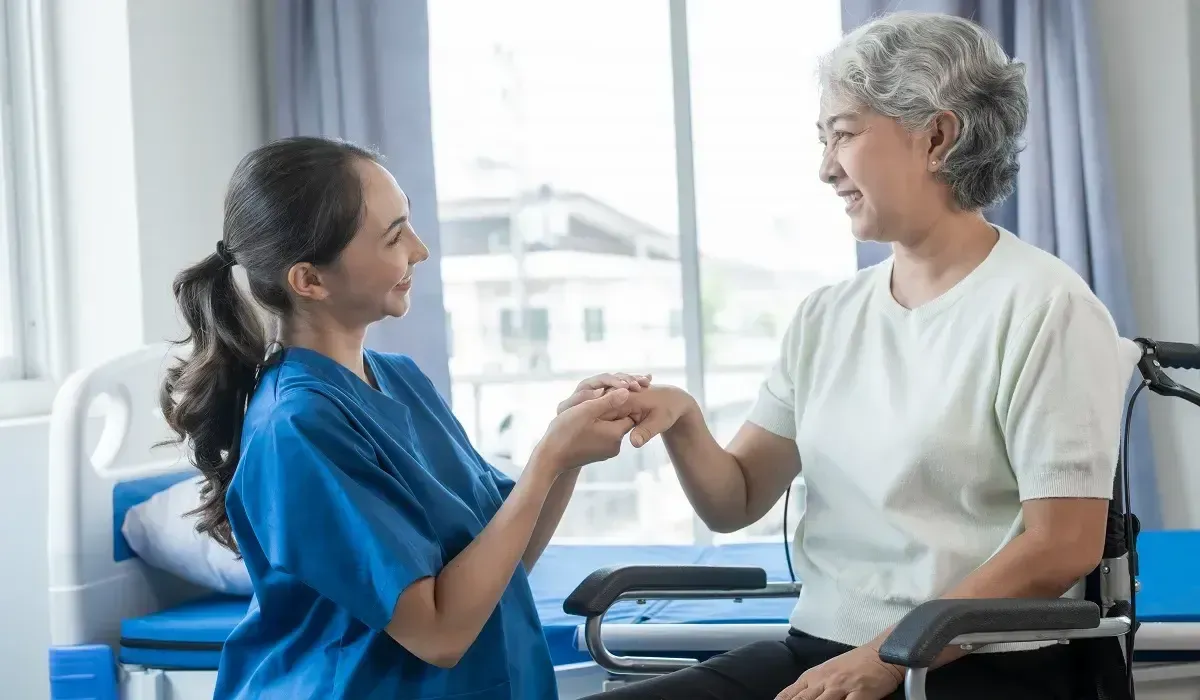
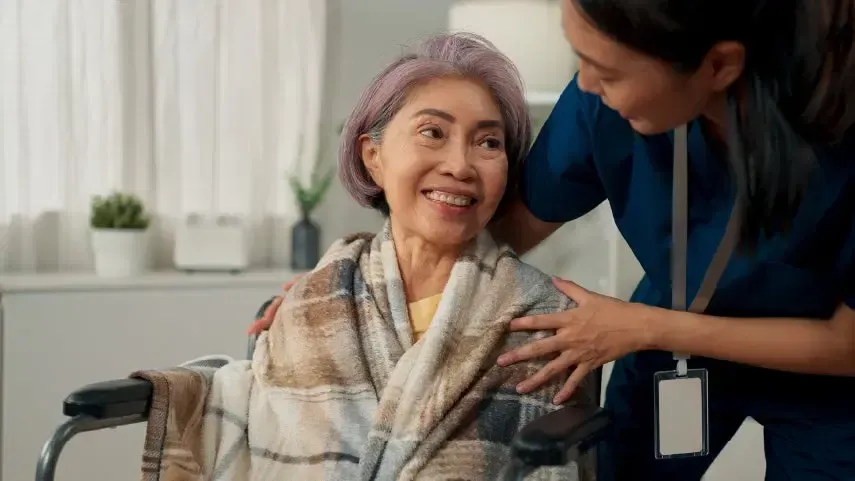
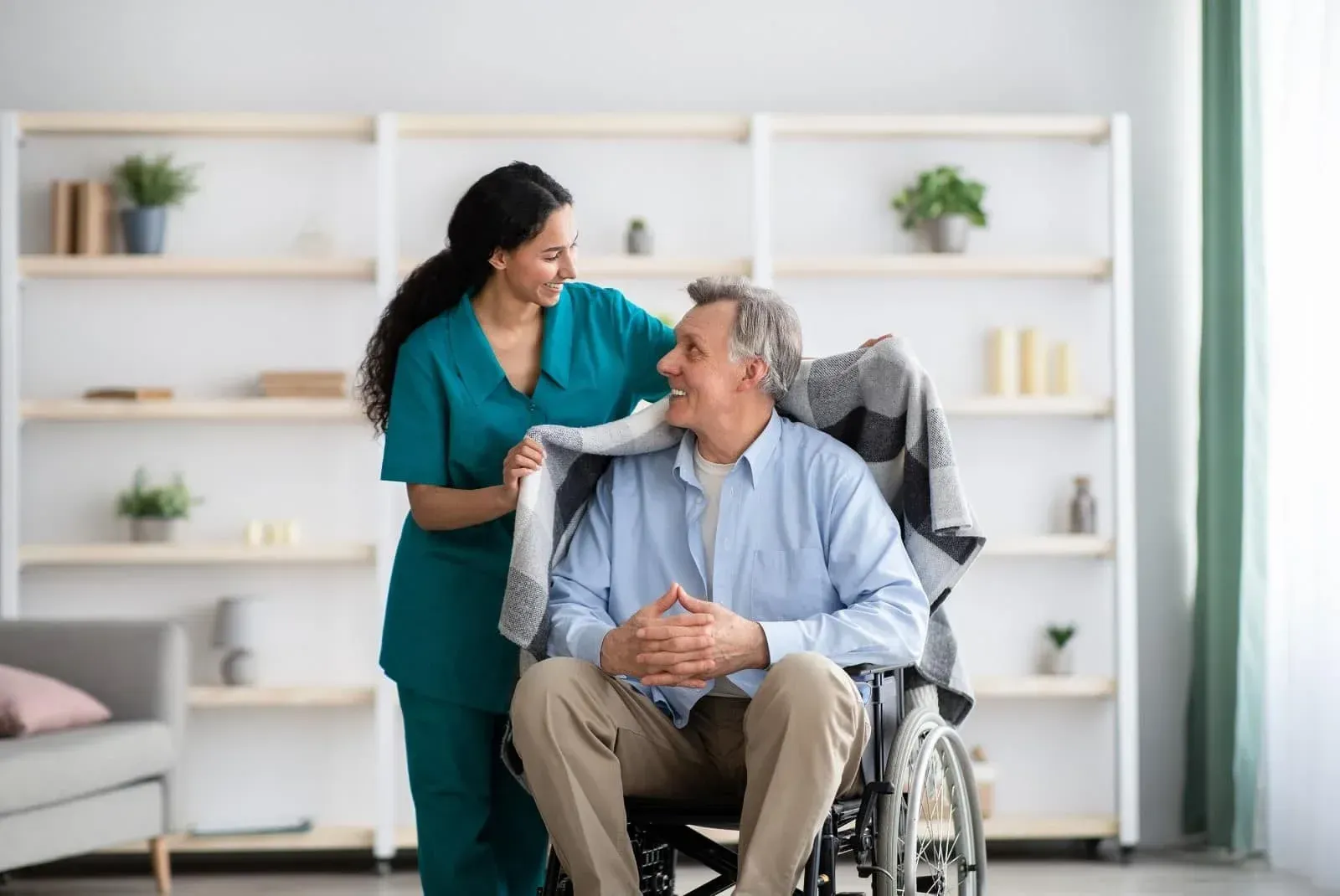
Elderly individuals often face various physical and mental challenges that necessitate in-home care. Continuity of care ensures that the same caregiver or a small group of caregivers is involved in providing assistance to the senior. This consistency fosters stability and familiarity, allowing seniors to build a trusting relationship with their caregivers. According to a study published by the National Institutes of Health (NIH), 90% of elderly patients prefer a consistent caregiver, as it enhances their sense of security and comfort.
2. Improving Health Outcomes
Continuity of care has a profound impact on the overall health outcomes of elderly individuals. The American Academy of Family Physicians (AAFP) reported that continuous care is associated with a 19% reduction in hospital admissions and a 25% reduction in emergency department visits for elderly patients. By having the same caregiver regularly monitor their health, seniors are more likely to receive early intervention and personalized attention, leading to better health management and a higher quality of life.
3. Enhanced Medication Management
Medication adherence is a critical aspect of elderly care, as multiple medications are often prescribed for age-related conditions. A study published in the Annals of Family Medicine revealed that continuity of care is linked to a 16% improvement in medication compliance among elderly patients. Consistent caregivers can help seniors stay on track with their medication schedules, reducing the risk of adverse drug interactions and complications.
4. Personalized Care Tailored to Individual Needs
Every senior has unique needs and preferences, which can be better addressed through continuity of care. A study conducted by the Journal of the American Geriatrics Society found that continuous caregiving was linked to a 23% increase in the fulfillment of personalized care plans. The familiarity between caregiver and elderly individual allows for a deeper understanding of the senior's requirements, leading to more customized and effective care strategies.
5. Reducing Caregiver Stress and Burnout
Caregiving can be emotionally and physically demanding, especially when assisting elderly individuals with complex health conditions. Continuity of care helps reduce caregiver stress and burnout. According to the Family Caregiver Alliance, caregivers working under continuous care models reported lower levels of stress and higher levels of job satisfaction. This, in turn, translates to better care for the elderly and a more stable work environment for the caregivers.
For elderly individuals receiving in-home care, continuity of care is a vital aspect of their overall well-being. The consistent presence of the same caregiver fosters trust, improves health outcomes, enhances medication management, provides personalized care, and reduces caregiver stress. As the demand for in-home care services continues to grow, it is crucial for families and individuals to prioritize continuity of care to ensure the best possible support and quality of life for their elderly loved ones.
At 7 Day Home Care, we understand the importance of continuity in caregiving. Our dedicated team of experienced caregivers in New York City, Brooklyn, Queens, Nassau County, and Suffolk County is committed to providing compassionate and consistent care for your elderly family members. Contact us today to learn more about our services and how we can support your loved ones in their journey towards a healthier and happier life. Call 516-408-0034 today to learn more about our in-home care services and best practices with respect to continuity of care.
Brian Callahan
7 Day Home Care