Post Rehab Home Care Services After Northwell Health Stern Center
Post Rehab Home Care Services After Northwell Health Stern Family Center for Rehabilitation
This guide is written by 7 Day Home Care to help families planning in‑home support after a stay at Northwell Health Stern Family Center for Rehabilitation in Manhasset (address: 330 Community Drive, Manhasset, NY 11030; campus adjacent to North Shore University Hospital at 300 Community Drive, Manhasset, NY 11030). 7 Day Home Care is an independent, New York State Department of Health –licensed home care agency and we are not affiliated with Northwell Health.
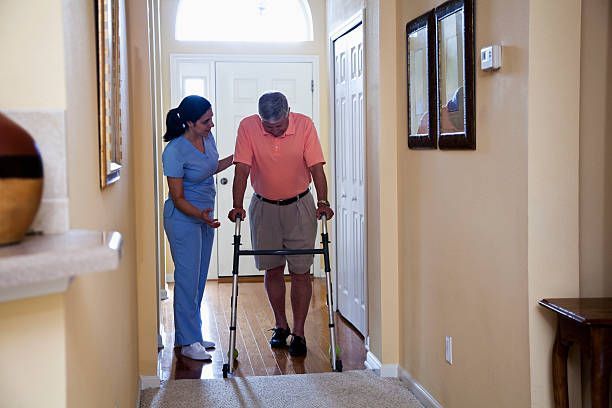
Does 7 Day Home Care Provide Home Care Support Services for Patients Post Discharge from Northwell Health Stern Family Center for Rehabilitation?
Yes—7 Day Home Care provides RN‑supervised, certified home health aide services for patients discharging from Northwell Health Stern Family Center for Rehabilitation in Manhasset (330 Community Drive - Telephone: 516-562-8000). We can coordinate with the facility’s social workers and discharge planners, complete an at‑home Registered Nursing Assessment (including a home safety risk assessment), build a personalized care plan, and match you with a carefully selected caregiver for seamless scheduling continuity (hourly, live‑in, or 24‑hour). We support private pay and work with all major long‑term care insurance carriers to reduce out‑of‑pocket costs.
Why this guide matters right now
Discharge from a top rehabilitation center is a major milestone, but the first 30–90 days at home are when setbacks most often occur—falls, missed medications, gaps in therapy routines, and preventable readmissions. The goal of this article is to give you a precise, step‑by‑step playbook to keep recovery on track at home, with the same level of structure you experienced in rehab—only personalized to your living space, routines, and family.
About the facility and campus context
Northwell Health Stern Family Center for Rehabilitation is located at 330 Community Drive, Manhasset, NY 11030 on the medical corridor by North Shore University Hospital, whose main campus address is 300 Community Drive, Manhasset, NY 11030. Knowing the exact location is practical for coordinating discharge timing, transportation, and same‑day caregiver arrival at your home.
How 7 Day Home Care coordinates your discharge from Stern — step by step
1) Pre‑discharge coordination with social workers & case/discharge planners
We connect directly with the facility’s social work and discharge planning teams to understand your diagnosis, functional status, therapy progress, durable medical equipment (DME) needs, and estimated discharge date and time. We request any necessary instructions that pertain to home routines, mobility precautions, diet, wound care directions, cognitive supports, and community therapy referrals.
2) RN‑to‑RN handoff (when applicable)
Our supervising
Registered Nurse (RN) reviews your rehab summary and discharge notes to ensure safe handoff to home services. This helps us anticipate specialized needs (e.g., post‑stroke safety cues, cardiac or pulmonary precautions, surgical limitations).
3) Same‑day Registered Nursing Assessment at home
On or just before Day 1 at home, our RN conducts a comprehensive assessment that includes:
- Home Safety Risk Assessment: entry/exit, stairs, flooring, lighting, throw rugs, bathroom safety, bed/chair heights, kitchen/meal prep flow, medication storage, and emergency egress.
- Functional Assessment: transfers, ambulation, ADLs, IADLs, cognition, pain, energy levels, and fall‑risk scoring.
- Clinical Review: vitals, skin integrity, wound status (if applicable), diet/hydration, bowel/bladder routines, and medication reconciliation.
- Equipment & Supplies: recommendations for grab bars, shower chair, commode, bed rails, hospital bed, Hoyer lift, or mobility aids; we coordinate vendors if needed.
- Family Training & Roles: who does what, how often, and how to reduce caregiver burden safely.
4) Personalized plan of care
From the RN assessment, we build a plain‑English care plan that clarifies who, what, and when—including ADL assistance (such as showering, dressing, feeding), mobility routines, medication reminders, meal planning, hydration prompts, toileting schedules, and daily safety checks. The plan aligns with your outpatient therapy regimen (PT/OT/SLP) to reinforce exercises, gait patterns, transfer techniques, and energy conservation strategies.
5) Patient–Caregiver matching (skills + personality + schedule)
We match you with a
Certified Home Health Aide (HHA) who meets your clinical and cultural needs: orthopedic transfer proficiency, cognitive cueing for memory care, clear communication style, language preferences, and pet/household comfort. This is where outcomes soar—because the right match reduces friction, builds trust, and sustains engagement with the care plan.
6) Scheduling continuity
We prioritize stable, predictable coverage—the same caregiver(s) on the same schedule—so routines stick. If you need 12‑hour days for two weeks and then taper to 8‑hour days, we plan that arc with you. We also provide outstanding live‑in or 24‑hour coverage
when continuous supervision is indicated over the long term.
7) Ongoing RN supervision & care plan updates
Your RN remains involved to monitor progress, retrain aides on new tasks, and adjust the plan when mobility improves, wounds close, or therapy goals evolve. We also coordinate with your physicians, visiting nurses, and outpatient therapists as needed.
Services we provide after a Stern rehab stay (what’s included)
Activities of Daily Living (ADLs)
- Bathing, dressing, grooming, toileting, incontinent care
- Safe transfers and ambulation, Hoyer lift use as needed
- Eating assistance and aspiration‑risk awareness
Medication & health supports
- Timed medication reminders and adherence tracking
- Vitals checks, symptom monitoring, and escalation protocols
- Wound care observation assistance for signs of infection
- Oxygen safety support and device reminders (when applicable)
Mobility & therapy carryover
- Reinforcement of PT/OT/SLP home programs between clinic or home visits
- Fall‑prevention routines, balance practice per therapy guidance
- Energy conservation, pacing, and task simplification
Daily living & household stability
- Meal planning and preparation aligned to dietary restrictions
- Hydration prompts and healthy snack timing if required to sustain energy
- Light housekeeping (tidy spaces to reduce fall risk), laundry, linen changes
- Escort/transport coordination for follow‑up appointments
Companionship & cognitive support
- Structured day plans, orientation cues, memory prompts
- Conversation, reading, music, and engagement that supports mood and cognition
Coverage levels
- Hourly (from shorter shifts upward), overnights, live‑in, and 24‑hour care depending on safety needs and medical guidance
Specialized post‑rehab tracks we support
- Orthopedic Recovery (hip/knee replacement, fractures)
Our caregivers assist with safe transfers, mobility support, and reminders to use prescribed devices correctly. They can also encourage gentle movement exercises recommended by a therapist, help with positioning for comfort, and provide day-to-day support to reduce strain during recovery. - Stroke & Neuro Support (CVA, TBI, Parkinson’s)
We provide daily prompts and assistance for dressing, grooming, and household navigation, as well as reminders for therapy routines. Caregivers offer visual scanning cues, safe meal assistance following therapist guidance, and help create a structured home environment that reduces stress and promotes independence. - Cardiac Recovery (post-surgery, CHF)
Caregivers encourage healthy routines such as preparing heart-friendly meals, assisting with light mobility, offering pacing reminders during activities, and observing and reporting any changes in comfort or energy level to family members. Medication reminders are given according to the family’s or physician’s established schedule. - Pulmonary Support (COPD, oxygen users)
Our team assists with daily routines by encouraging gentle breathing practices as instructed by your therapy team, promoting safe use of oxygen equipment, and maintaining a clean, hazard-free home environment that supports easier breathing.
- Wound Care Support (surgical recovery, pressure injury prevention)
Caregivers help maintain cleanliness and positioning to reduce pressure, remind clients to follow turning schedules, and ensure supplies are within reach. They promptly notify family or supervising nurses of any visible changes, providing peace of mind while avoiding unnecessary risks. - Oncology & Post-Surgical Support
We help with meal preparation, hydration reminders, light household tasks, and pacing of daily routines to conserve energy. Caregivers are trained to encourage rest, observe changes in comfort, and help maintain an environment that reduces fatigue and supports recovery. - Memory Care (Alzheimer’s & Dementia)
Our aides provide structured daily routines, reminders, and supervision to support safety and reduce confusion. They also offer companionship, manage wandering risks through gentle redirection, and give family caregivers needed respite while ensuring the loved one remains engaged and supported at home.
Private pay excellence + long‑term care insurance expertise
As a top private pay provider, we craft schedules around your life—no long‑term lock‑ins, scalable hours, and low-transparent pricing. For insurance, we are an approved provider with all major Long‑Term Care (LTC) insurance carriers and routinely work with MetLife, Genworth, Brighthouse, New York Life, CNA, John Hancock, Lincoln Financial, and NYSUT/HealthSmart among many others to coordinate benefits, accept assignment of benefits, and minimize upfront out‑of‑pocket costs. (Coverage varies by policy; we verify benefits and walk you through process and authorizations.)
What sets 7 Day Home Care apart after a Stern discharge
- Clinical oversight you can feel — Every case is RN‑supervised, and our nurses are reachable to you and your family.
- Caregiver quality — Our Certified Home Health Aides are New York State–credentialed, reference‑checked, highly experienced and trained for rehab carryover tasks.
- Continuity of people and time — Consistent caregivers on consistent schedules promote efficient-productive routines, fewer errors, and outstanding patient-caregiver chemistry.
- Coordination with your providers — We can communicate with your physicians and therapists to keep goals aligned and progress documented.
- Family‑centric approach — We can train family caregivers on safe assists, transfers, and cueing so everyone feels confident.
The home safety risk assessment: what we look for
- Entrances & stairs: handrails, thresholds, lighting, slip risk in wet weather
- Floors & pathways: clutter, cords, loose rugs, pets, furniture spacing for walker use
- Bathroom safety: grab bars, raised toilet seat or commode, non‑slip mats, shower chair, temperature checks
- Bedroom setup: bed height, night lighting, clear path to bathroom, chair height for safe sit‑to‑stand
- Kitchen routines: safe reach zones, stable seating, hydration station
- Medication station: clearly labeled, timed reminders, pill organizers
- Emergency readiness: phone access, call bell systems, posted contacts, and escalation plan
We provide a written safety report with quick‑win fixes and recommended equipment, and we can help source reputable vendors.
Patient–Caregiver matching and scheduling continuity
Matching blends competency (e.g., safe Hoyer transfer, memory‑care cueing), experience (orthopedic vs. neuro complexity), communication style, language, and personality fit. Caregiver matching and fixed scheduling are central to creating stability, trust, and better health outcomes in home care. By carefully pairing each client with a caregiver whose personality, communication style, and skill set align with the client’s needs, agencies foster genuine chemistry that promotes comfort and emotional wellbeing. Once the right caregiver is selected, maintaining a consistent schedule ensures familiarity and predictability, reducing anxiety and confusion, especially for seniors recovering from illness or living with memory-related conditions. This continuity allows the caregiver to recognize subtle changes in behavior, mobility, or mood, and to respond appropriately, which can prevent setbacks and support faster progress at home. When chemistry and consistency are in place, clients feel secure, motivated, and engaged in daily routines—ultimately improving their overall trajectory of health and quality of life.
When you should increase—or taper—hours
- Increase hours if you see: new confusion, near‑falls, skipped meds, exhaustion after therapy, wound care complexity, or family caregiver burnout.
- Taper hours when: transfers are steady, meds are consistently on time, therapy goals are being met, and nighttime supervision is clearly unnecessary.
Our RN supervises these changes and updates the plan of care accordingly.
How to start with 7 Day Home Care (before, on, and after discharge day)
Before discharge day
- Call us at 516‑408‑0034 to review your target discharge date and needs.
- We coordinate with Stern’s social workers/discharge planners and your therapists to align the plan.
- We conduct informational intake from family and/or patient for best caregiver match.
- We schedule your RN home assessment and schedule your caregiver match.
On discharge day
- Your caregiver can meet you at home (or at your residence building entrance) at a set time—ideally before you arrive—to help settle in, prepare a light meal, review meds, and support that first shower/toileting routine safely.
- Your Registered Nurse conducts a nursing assessment, and drafts a customized care plan.
After discharge
- The RN checks in, retrains as needed, and adjusts your plan as mobility returns and therapy progresses. We document outcomes and keep your family updated.
Frequently Asked Questions
Is 7 Day Home Care familiar with discharges from Stern Family Center?
Yes. Our team regularly coordinates with Stern’s discharge planning and social work staff, aligning our home care plans with the rehab team’s goals so progress continues at home.
Can you start services the same day I get home?
Yes—especially if we’re contacted in advance to complete benefits verification, schedule the RN assessment, and pre‑match the caregiver.
Do you help with medical appointments after discharge?
Yes. Caregivers can accompany clients to follow‑ups, assist with mobility, help manage appointment logistics, and relay information back to family.
Do you accept my long‑term care insurance?
As a New York state Department of Health licensed Home Care Agency, we work with
all major LTC carriers and will verify your specific policy, coordinate authorizations, and accept assignment of benefits when available.
Is live‑in or 24‑hour coverage available?
Absolutely. When safety and supervision requirements are high, we can provide live‑in or 24‑hour shifts.
Final checklist before discharge from Stern
- ☐ Call 516‑408‑0034 to schedule pre‑discharge planning
- ☐ Confirm discharge date/time with social worker
- ☐ Arrange transportation home and building access
- ☐ Ensure medications are filled and organized
- ☐ Prepare DME (walker, hospital bed, commode, shower chair, grab bars if possible)
- ☐ Schedule RN assessment and caregiver arrival
- ☐ Place a hydration station and safe snack setup within easy reach
- ☐ Post emergency contacts and your provider list on the fridge
You worked hard for your rehab gains—let’s protect them at home
The best way to safeguard the progress made at Northwell Health Stern Family Center for Rehabilitation (330 Community Drive, Manhasset) is to land at home with the right support on Day One. With RN‑supervised care, caregiver matching, and scheduling continuity, 7 Day Home Care makes the transition smooth, safe, and sustainable - so you can focus on healing, not logistics.
Call 7 Day Home Care at 516‑408‑0034 or visit www.7dayhomecare.com to set up your post‑rehab plan today. 7 Day Home Care is the top private pay in-home care services provider throughout Long Island, NYC, Manhattan, Queens, Brooklyn, New York. To learn more about our specialized post-rehabilitation home care services, please call 516-408-0034 today.
Brian Callahan
7 Day Home Care