Kosher Meal Preparation by Home Health Aides: 7 Day Home Care

Brian Callahan 7 Day Home Care • September 22, 2025

Kosher Meal Preparation by Home Health Aides: 7 Day Home Care

Cultural sensitivity is at the heart of truly excellent home care, and 7 Day Home Care is committed to honoring every client’s traditions, preferences, and values — right down to the details of daily life, including meal preparation. For clients who keep Kosher, our caregivers are trained to follow Kashrut guidelines carefully, from using separate utensils and cookware for meat and dairy to sourcing Kosher-certified ingredients and preparing meals that respect religious and cultural standards. Every client receives a unique, individualized care plan designed to reflect their level of observance, nutritional needs, and personal routines, ensuring that their care feels both familiar and dignified. Families who choose 7 Day Home Care gain peace of mind knowing they are working with an agency that pays close attention to the details — not just in the kitchen, but across every aspect of care, from medication reminders to companionship and household support. This attention to detail helps seniors feel respected, safe, and supported while allowing families to focus on spending meaningful time with their loved ones.

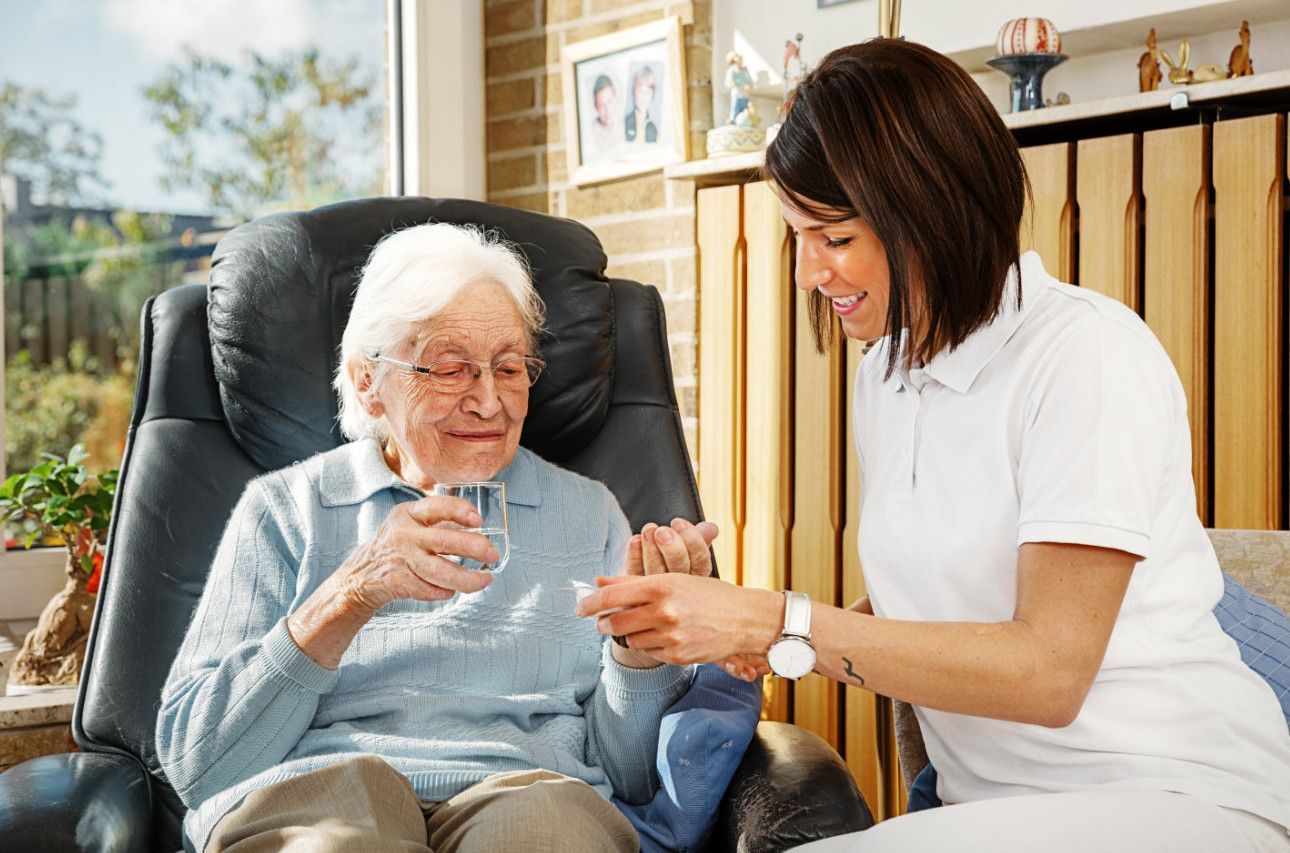
Home health aide preparing Kosher meal for Jewish patient.

Kosher Meal Preparation in Home Care: How 7 Day Home Care Supports Your Loved One’s Dietary Needs

7 Day Home Care offers personalized home care services, including Kosher meal preparation that respects religious traditions and dietary laws. Our trained caregivers understand how to separate meat and dairy, use Kosher-certified ingredients, and prepare meals that meet both health needs and cultural requirements — ensuring seniors can enjoy nutritious, Kosher meals while aging safely at home.


What Is Kosher Meal Preparation?

Kosher meal preparation is the process of cooking and serving food in accordance with Jewish dietary laws, known as Kashrut. These rules govern not just what foods can be eaten, but also how they must be prepared and served. Meat must come from animals that are permitted under Jewish law and slaughtered in a ritual process known as shechita. Meat and dairy products must be kept completely separate — not only when served, but also when cooked, stored, and even when washed. In many Kosher households, separate utensils, cookware, and plates are used for meat and dairy meals. Fish must have fins and scales to be considered Kosher, and many animal by-products, certain fats, and blood are prohibited.


In a home care setting, Kosher meal preparation requires more than just cooking skills. It involves respecting the client’s faith and family traditions, understanding their preferred level of observance, and creating a safe kitchen environment where these rules are consistently followed.


Why Kosher Meal Preparation Matters in Home Care

For many Jewish seniors, following a Kosher diet is not simply a matter of taste — it is a spiritual and cultural commitment. Being able to maintain a Kosher lifestyle can provide a deep sense of dignity, routine, and connection to identity, especially for older adults who may already feel vulnerable due to health issues. If Kosher rules are not followed, it can create significant stress, guilt, or anxiety for someone who has practiced Kashrut for decades. Having a caregiver who understands and respects these traditions helps maintain emotional and spiritual well-being, providing a level of comfort that is just as important as physical care.


Challenges Families Face with Kosher Meal Preparation

Families often find that preparing Kosher meals while also meeting a loved one’s care needs can be overwhelming. Maintaining separate utensils and cookware, avoiding cross-contamination, and shopping for certified Kosher ingredients requires extra planning and attention. This can become even more complicated if the senior also needs medically tailored meals, such as low-sodium dishes for heart health or diabetic-friendly recipes. Holidays bring added pressure — preparing special Shabbat meals or ensuring that a kitchen is Kosher for Passover can be difficult without help, especially when balancing caregiving duties and work schedules.


How 7 Day Home Care Prepares Kosher Meals

At 7 Day Home Care, we approach Kosher meal preparation with a careful, step-by-step process that puts the client’s preferences first. We begin by developing a care plan that takes into account the level of Kashrut observance — whether Orthodox, Conservative, or Reform — along with dietary restrictions and preferred suppliers, such as a local Kosher butcher. Once we understand the family’s expectations, we help organize the kitchen so that meat and dairy utensils are clearly separated, labeled, or color-coded.


Our caregivers then plan and prepare daily meals using fresh, Kosher-certified ingredients. They combine nutrition with tradition, ensuring that meals meet both health needs and religious guidelines. After meals are served, they clean utensils and surfaces properly, store food to prevent cross-contamination, and leave the kitchen in a state that maintains its Kosher integrity. This attention to detail means that families do not have to worry about whether Kashrut standards are being upheld.


Special Considerations: Holidays, Shabbat, and Kashrut

Jewish holidays and Shabbat often involve specific and symbolic meals, and our caregivers are trained to support these traditions. For Shabbat, they can prepare challah, fish, chicken, and side dishes ahead of time, allowing the family to observe the day of rest without worry. During Passover, they ensure that no Chametz — or leavened products — enter the kitchen and that the space is properly prepared for the holiday. They also help with meals for Rosh Hashanah, including sweet dishes that symbolize a good new year, and support clients as they plan gentle pre-fast and break-fast meals for Yom Kippur.


Nutrition and Health Benefits of Kosher Diets

While keeping Kosher is primarily a religious observance, there are health benefits that often come with it. Kosher meal preparation tends to rely on fresh meats, fish, and produce rather than heavily processed foods, and the inspection requirements can reduce the risk of contaminants. Because Kosher kitchens often encourage organized storage and careful food handling, they may also reduce foodborne illness risk. Seniors who need structured meal times benefit from the consistent routines of Kosher dining, which can support better nutrition, stable blood sugar levels, and overall health.


Training Our Caregivers for Kosher Compliance

To ensure that we meet the highest standards, 7 Day Home Care provides all caregivers with special training on cultural competency and Kosher meal preparation. This includes education about the basic principles of Kashrut, practical training on preventing cross-contamination, and guidance on how to respect religious observances and rituals. Caregivers also learn how to document meal preferences and follow individualized care plans so that clients and families feel fully confident in the services provided.


Benefits for Families Choosing 7 Day Home Care

Families who work with 7 Day Home Care gain more than just assistance with cooking. They gain peace of mind knowing that every meal served meets both health and religious standards. This means seniors can continue eating in a way that honors their lifelong traditions, while also meeting their medical needs. Families save time and reduce stress because they no longer have to oversee every detail of meal preparation or worry about mistakes in the kitchen. Most importantly, this allows them to focus on spending quality time with their loved one, rather than managing day-to-day caregiving tasks.


Frequently Asked Questions

Do you provide Kosher meal preparation across New York?
Yes, we provide Kosher meal preparation services in Manhattan, Queens, Brooklyn, Nassau County, and Suffolk County.


Can you follow my family’s level of observance?
Absolutely. We customize care plans to match your family’s specific level of Kashrut, whether Orthodox, Conservative, or Reform.


What if my loved one also has dietary restrictions?
Our caregivers can prepare Kosher meals that meet special dietary needs, including low-sodium, gluten-free, diabetic-friendly, and renal diets.


Do caregivers shop for Kosher ingredients?
Yes — caregivers can shop at Kosher markets or butchers of your choice, ensuring that all ingredients meet your family’s requirements.


Can you help with Shabbat and holiday meals?
Yes — we help plan, prepare, and store meals ahead of time for Shabbat and all major Jewish holidays.


Kosher Meal Preparation is About Respect, Tradition, and Dignity.

Kosher meal preparation is about more than food — it is about respect, tradition, and dignity. At 7 Day Home Care, we make sure that seniors can continue observing Kashrut while receiving the best possible care at home. Our trained caregivers handle everything from kitchen setup to daily meal preparation, holiday support, and special diets, giving families the assurance that their loved ones are supported physically, emotionally, and spiritually.


Contact 7 Day Home Care today at 516-408-0034 or visit here to learn more about our Kosher meal preparation and comprehensive home care services. We proudly serve Manhattan,  Queens, Brooklyn, and Long Island New York with hourly, live-in, and 24/7 care options.


Brian Callahan

7 Day Home Care

dementia care
By Brian Callahan December 20, 2025
Late-stage dementia care at home in Manhattan. Professional caregivers help keep your loved one safe, comfortable, and cared for.
By Brian Callahan December 18, 2025
A stroke doesn’t just affect the body — it disrupts an entire life. For many families, the most frightening part doesn’t happen during the emergency itself, but after the hospital discharge, when doctors say, “You can take them home now.” That moment often brings more questions than relief. How will they walk again? Will their speech improve? What if they fall? What if something goes wrong at night? Stroke recovery is not a short-term event. It is a long, uneven process that requires patience, structure, and consistent care. While hospitals and rehabilitation centers handle the acute phase, the real recovery happens at home — where routines are rebuilt and independence is slowly regained. This is why professional post-stroke home care services have become essential for families trying to manage recovery safely and realistically. Across New York, families searching for home care in East Meadow , Home Health Care Service Oceanside , or a reliable Home Care Agency in Glen Cove NY often reach the same conclusion: recovery at home is possible, but not without the right support. Providers like 7 Day Home Care exist to bridge the gap between hospital treatment and long-term stability at home. Understanding Stroke and How It Changes Daily Life A stroke occurs when blood flow to part of the brain is interrupted, depriving brain cells of oxygen. Depending on which area of the brain is affected, the consequences can vary widely — but almost always involve some loss of function. Types of Stroke and Their Impact on Recovery Ischemic strokes , caused by blood clots, are the most common and often leave survivors with weakness or paralysis on one side of the body. Hemorrhagic strokes , caused by bleeding in the brain, may involve longer recovery times and greater cognitive challenges. Regardless of type, stroke recovery is rarely predictable. Progress may come slowly, and setbacks are common. Common Physical and Cognitive Effects After a Stroke Stroke survivors may experience: Limited mobility or paralysis Difficulty speaking, understanding, or swallowing Memory and concentration problems Emotional changes such as depression, anxiety, or irritability Loss of coordination and balance These changes affect everyday activities — from getting dressed to preparing meals — making independent living unsafe without assistance. Medical Complications Families Often Miss After a Stroke One of the most common misunderstandings families have after a stroke is believing that the most dangerous phase ends once the patient is discharged from the hospital. In reality, the post-discharge period is often medically more risky than the initial emergency. Blood pressure instability, dehydration, infections, and medication inconsistencies frequently develop quietly at home without obvious warning signs. Many stroke survivors are unable to clearly recognize or communicate subtle symptoms such as head pressure, unusual fatigue, mild confusion, or changes in vision. Families may assume these are “normal parts of recovery” and unintentionally delay intervention. This is where professional, medically informed observation becomes critical — not just for daily care, but for early detection of complications before they escalate into emergencies. What Stroke Recovery at Home Really Looks Like Many families expect recovery to be straightforward once their loved one is home. The reality is more complex. Home recovery requires constant adaptation , monitoring, and emotional support. The First Few Weeks After Hospital Discharge The early recovery period is often the most fragile. Stroke survivors are adjusting to new physical limitations while families are learning caregiving responsibilities for the first time. During this phase, the risks of falls, missed medications, dehydration, and emotional distress are highest. Professional post-stroke home care during this time provides structure, reassurance, and medical awareness — helping prevent avoidable complications that often lead to hospital readmission. Long-Term Recovery and Daily Adjustment Stroke recovery does not follow a straight line. Some abilities may return, while others require long-term support. At home, progress depends on consistency, encouragement, and safe routines — all of which are difficult to maintain without trained assistance. Daily Care Needs After a Stroke Post-stroke care is deeply personal. No two recovery journeys look the same, but most survivors require help in several key areas. Mobility and Physical Assistance Weakness, paralysis, or balance issues often make walking and transfers unsafe. Caregivers assist with: Moving safely from bed to chair Walking support and fall prevention Encouraging mobility without pushing beyond limits This balance between safety and independence is critical to recovery. Personal Care and Hygiene Support Simple tasks such as bathing or dressing can become overwhelming after a stroke. Assistance with hygiene helps maintain dignity while preventing infections and skin issues. Medication Management and Health Monitoring Stroke survivors are often prescribed medications to prevent another stroke and manage blood pressure or cholesterol. Home care ensures medications are taken correctly and that any concerning symptoms are reported promptly. Nutrition, Swallowing, and Hydration Swallowing difficulties are common and can be dangerous if unmanaged. Caregivers support safe eating practices, monitor hydration, and follow dietary guidelines recommended by healthcare providers. Emotional and Cognitive Support Stroke recovery is emotionally taxing. Survivors may feel frustrated, embarrassed, or discouraged. Compassionate companionship and reassurance help rebuild confidence and reduce isolation. Safety Concerns During Stroke Recovery at Home Safety is one of the biggest reasons families seek professional support. Fall Risk and Home Hazards Limited mobility and poor balance increase the risk of falls, especially in homes not designed for recovery. Emergency Awareness and Monitoring Stroke survivors may not recognize warning signs of another stroke or be able to call for help. Continuous monitoring reduces this risk. Preventing Hospital Readmission Many stroke-related hospital readmissions are preventable. With proper home care, small issues are addressed early before becoming emergencies. How Professional Post-Stroke Home Care Services Support Recovery Professional home care transforms recovery from guesswork into a structured process. Trained Caregivers Who Understand Stroke Recovery Caregivers are trained to assist safely, recognize warning signs, and provide emotional reassurance without limiting independence. Skilled Home Health Support Depending on needs, services may include nursing care, health monitoring, and coordination with physical or speech therapists. Personalized Recovery Plans Providers like 7 Day Home Care create flexible care plans that evolve as recovery progresses, ensuring support remains appropriate at every stage. Support for Families, Not Just Patients Home care also supports families by reducing stress, providing education, and offering peace of mind. Benefits of Recovering at Home After a Stroke For many survivors, home recovery offers advantages that facilities cannot. Familiar surroundings reduce stress One-on-one attention improves safety Emotional support from family boosts motivation Lower risk of infections compared to institutional settings Post-Stroke Home Care in Cedarhurst, East Meadow, Glen Cove, and Oceanside Families often first encounter stroke through emergency services or urgent care in Cedarhurst NY , but recovery extends far beyond urgent treatment. Those seeking home care in East Meadow , Home Care Agency in Glen Cove NY , or Home Health Care Service Oceanside benefit from providers who understand local healthcare systems and home environments. 7 Day Home Care serves families across these communities, offering consistent, compassionate post-stroke care tailored to both urban and suburban living situations. When Families Should Seek Professional Home Care Delaying care often leads to burnout or emergencies. Signs It’s Time for Help Frequent falls or near-falls Missed medications Increasing dependence Emotional exhaustion among family caregivers Seeking professional help is not a failure — it is a responsible decision that protects everyone involved. Frequently Asked Questions Q1.Can stroke recovery be managed at home? Yes, with professional support, many stroke survivors recover safely at home. Q2.How long does stroke recovery take? Recovery varies widely and may continue for months or years. Q3.Is home care better than rehab facilities? Home care offers personalized, one-on-one support in familiar surroundings. Q4.Does home care replace therapy? No. It supports therapy by ensuring exercises and routines are followed safely. Q5.When should families contact 7 Day Home Care? When safety, recovery progress, or caregiver well-being becomes a concern. Conclusion Stroke recovery is not just about healing the body — it’s about rebuilding daily life. With structured, compassionate post-stroke home care services, recovery at home becomes safer, more realistic, and less overwhelming for families. 7 Day Home Care provides trusted private pay and long-term care insurance–supported in-home care services across Manhattan , Long Island , NYC , Queens , and Brooklyn, New York , helping families access consistent, professional support tailored to post-stroke recovery needs. Families who would like guidance on post-stroke in-home care options can request a free consultation to discuss personalized care plans and understand the level of support available for their loved ones.
elderly man with congestive heart failure
By Brian Callahan 7 Day Home Care December 12, 2025
Learn how long you can live with congestive heart failure and what affects life expectancy. Expert guidance from 7 Day Home Care on symptoms, stages, support at home
Older person coughing, clutching chest, seated on a sofa with tissues and medicine; indoor setting.
By Brian Callahan 7 Day Home Care December 10, 2025

Learn what your FEV₁ score means, and why RN-supervised home health aides from 7 Day Home Care are essential for safe recovery from COPD, pneumonia, or surgery.
Ozanama hall bayside queens
By Brian Callahan 7 Day Home Care December 5, 2025
Recover safely at home after Ozanam Hall rehab. 7 Day Home Care provides RN-supervised home health aides, fall-prevention support, and personalized post-rehab care in Queens.
Woman using an inhaler while sitting on a couch in a living room.
By Brian Callahan 7 Day Home Care December 1, 2025
Learn how long someone can live with COPD, what affects life expectancy, key symptoms to watch for, and how 7 Day Home Care helps families support loved ones at home
Woman with walker, assisted by a healthcare worker, inside a bright kitchen.
By Brian Callahan 7 Day Home Care November 25, 2025
Expert home care for patients leaving West Village Rehabilitation and Nursing Center. Manhattan's #1 post-rehab care provider. Same-day service. Call 516-408-0034.
ederly man with dementia is sundowning
By Brian Callahan 7 Day Home Care November 20, 2025
7 proven strategies to manage sundowning in dementia patients. NYC dementia Expert tips on routines and calming activities to reduce evening confusion and agitation.
Woman in glasses putting a sock on an older person's foot indoors, seated.
By Brian Callahan 7 Day Home Care November 18, 2025
Compassionate home dementia care in Manhattan. Learn stages, safety tips, caregiver support, and how 7 Day Home Care helps NYC families keep loved ones safe at home.
Long beach nursing and rehabilitation
By Brian Callahan 7 Day Home Care November 14, 2025
Complete guide to home care after Long Beach Nursing & Rehabilitation at 375 East Bay Drive. Learn costs, timelines, Medicare coverage, and discharge planning.
Show More