Home Care After Long Beach Rehabilitation: Complete Guide
Quick Answer
Most patients discharged from Long Beach Nursing & Rehabilitation Center (375 East Bay Drive, Long Beach, NY 11561) benefit from at least 2–12 weeks of in-home support. The right plan blends medication reminders, therapy-exercise follow-through, mobility help, personal care, and close coordination with the discharge team to maintain rehab gains and prevent readmissions.
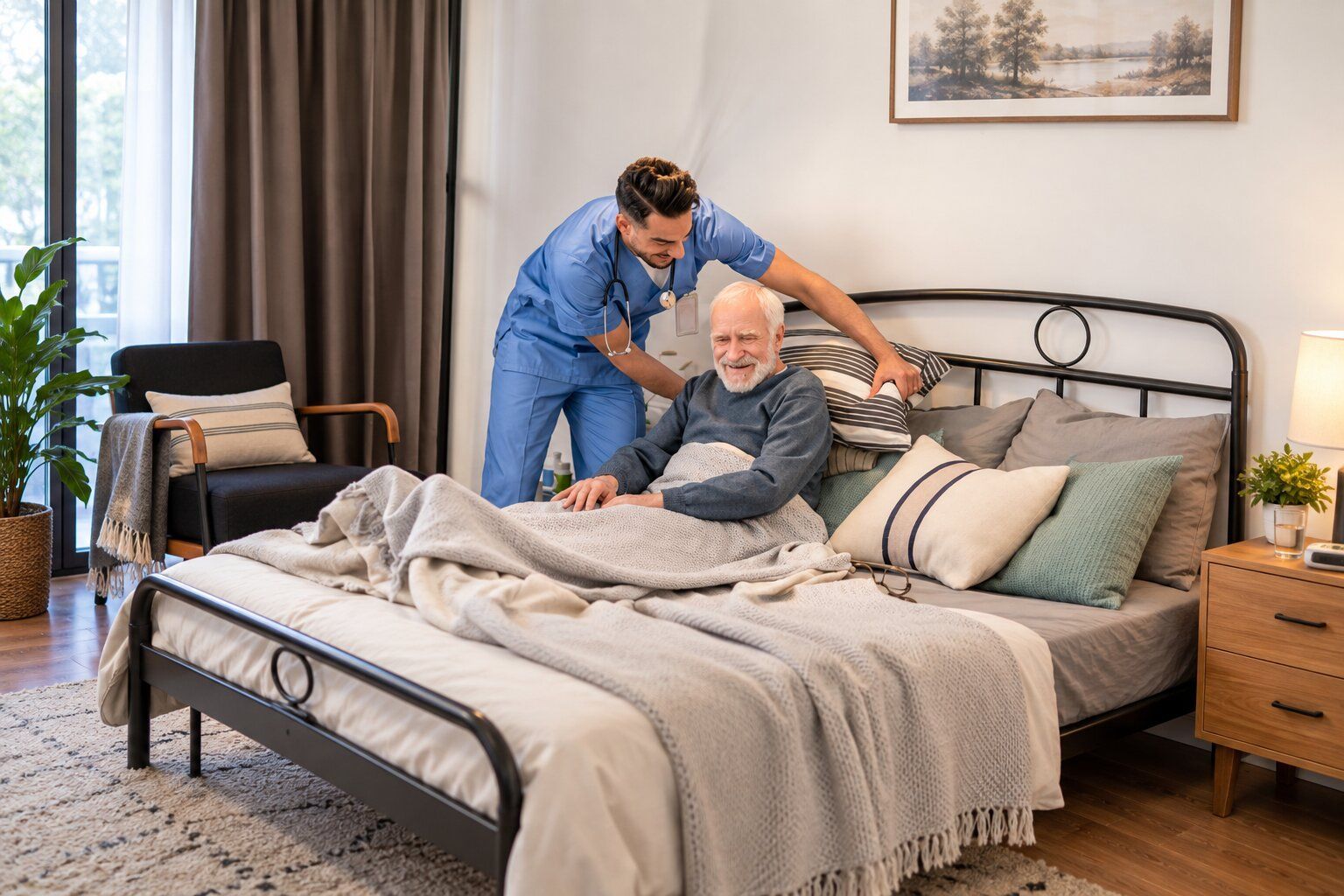
At 7 Day Home Care, we make that transition from rehabilitation to home as effortless and reassuring as possible. Our certified Home Health Aides (HHAs) are not only trained in post-rehabilitation support but also chosen for their patience, empathy, and genuine compassion. Supervised by our Registered Nursing staff, they help families bridge the gap between clinical recovery and everyday living—ensuring safety, consistency, and comfort. Whether assisting with daily routines, providing gentle motivation to stay active, or simply offering a friendly conversation, our caregivers approach each day with warmth and professionalism. With years of experience supporting Long Beach families, we focus on helping your loved one continue healing confidently at home, surrounded by familiarity and care that truly feels personal.

What Happens After Discharge from Long Beach Nursing & Rehabilitation?
Located in Long Beach, Nassau County, Long Beach Nursing & Rehabilitation Center provides excellent short-term rehabilitation following hospitalization for orthopedic surgery, cardiac events, stroke, and medical deconditioning. Going home, however, means stepping down from 24/7 facility care to an environment that must be carefully supported.
7 Day Home Care (a New York State Department of Health–licensed home care services agency) helps families bridge that gap with non-medical, private-pay and long-term-care-insurance–friendly services that reinforce the clinical work completed at the facility. Our certified Home Health Aides (HHAs)—supervised by our RN staff—focus on safety, routine, and dignity so your loved one can keep progressing at home in Long Beach, Oceanside, Island Park, Baldwin, Belle Harbor, Lynbrook, Point Lookout and the broader Nassau County area.
How Long Do You Need Home Care After Long Beach Rehabilitation?
Duration depends on the diagnosis, progress in rehab, home layout (stairs vs single level), available family support, and physician guidance. Below are realistic timelines and priorities:
Post-Orthopedic Surgery (Hip, Knee, Spine)
- Typical facility rehab: 2–4 weeks
- Home care duration: 6–12 weeks total
- Weeks 1–2: 24-hour care or 12-hour daily shifts for transfers and fall prevention
- Weeks 3–4: 8–12 hours daily as confidence and gait improve
- Weeks 5–8: 4–8 hours daily focusing on strengthening and stair navigation
- Weeks 9–12: 2–4 hours daily or several visits weekly while transitioning to independence
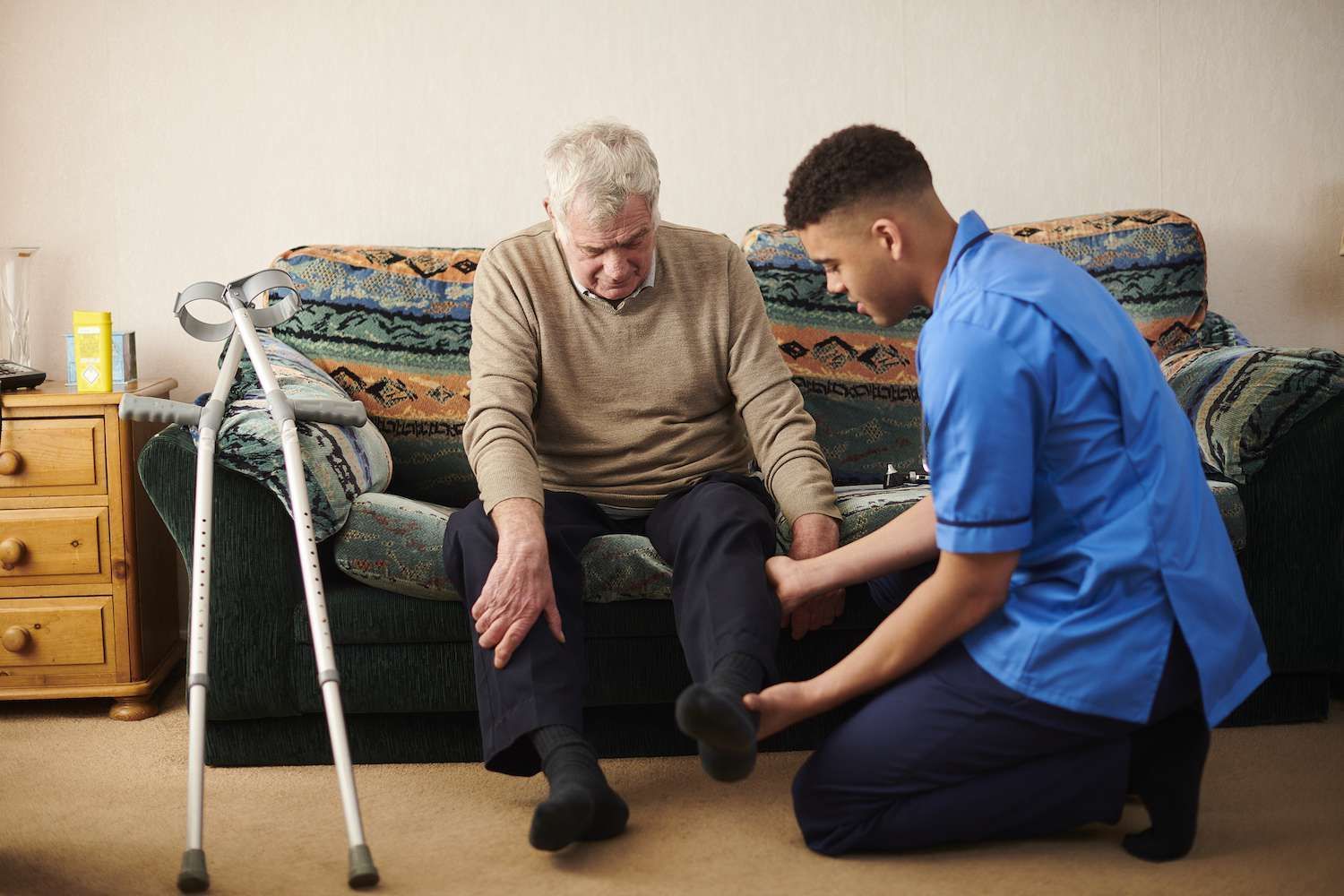
- Key needs: Safe transfers, walker/cane coaching, bathroom safety, exercise supervision, stair practice
Post-Cardiac Recovery
- Typical facility rehab: 1–3 weeks
- Home care duration: 6–10 weeks total
- Weeks 1–3: 12–24 hours daily for medication adherence and activity monitoring
- Weeks 4–6: 8–12 hours daily with cardiac-diet support and vitals checks
- Weeks 7–10: 4–8 hours daily as outpatient cardiac rehab advances
- Key needs: Vital signs monitoring, symptom awareness, low-sodium meal prep, hydration support
Stroke & Neurological Rehabilitation
- Typical facility rehab: 3–6 weeks intensive
- Home care duration: 12–24+ weeks
- Weeks 1–6: 24-hour care for safety and full ADL assistance
- Weeks 7–12: 12–16 hours daily as function returns
- Weeks 13–24: 8–12 hours daily with continued therapy reinforcement
- Key needs: Mobility with affected side, cognitive and speech practice, safe swallowing, medication organization
General Medical Recovery (Pneumonia, Weakness, Deconditioning)
- Typical facility rehab: 1–3 weeks
- Home care duration: 4–8 weeks
- Weeks 1–2: 8–12 hours daily for ADLs and safety
- Weeks 3–4: 4–8 hours daily for strength building
- Weeks 5–8: Several shorter visits weekly for monitoring and encouragement
- Key needs: Nutrition, hydration, light activity, infection watch, morale
What determines duration? Living alone vs family help, stairs/elevator access, number of medications, cognitive status, insurance authorizations, and Long Beach discharge recommendations.
Alzheimer’s & Dementia Home Care After Long Beach Nursing & Rehabilitation
7 Day Home Care provides specialized, expert Alzheimer’s and dementia care for patients returning home after a stay at Long Beach Nursing & Rehabilitation, ensuring a safe, structured, and compassionate transition back to daily life. Our highly trained home health aides understand the unique challenges that follow rehab discharge for individuals with memory loss—including confusion, wandering risk, medication changes, mobility setbacks, and disruptions in routine. We coordinate directly with Long Beach Nursing & Rehabilitation’s care team to continue cognitive-support strategies, maintain therapy progress, reduce hospital readmissions, and stabilize the home environment from day one. Families in Long Beach, Lido Beach, Island Park, and across Nassau County rely on 7 Day Home Care for patient, empathetic, and consistent dementia-focused support that enhances safety, preserves dignity, and promotes independence at home.
Does Medicare Cover Home Care After Long Beach Rehabilitation?
Medicare can help—but only for skilled needs, not around-the-clock custodial care.
Usually covered (with eligibility):
- Intermittent skilled nursing (wound care, teaching)
- PT/OT/SLP in the home
- Medical social work
- Limited home health aide hours only when tied to skilled services
Eligibility basics:
- Homebound or taxing effort to leave home safely
- Physician order and plan of care
- Skilled service must be the primary need
- Typically 2–6 weeks post-discharge for acute needs
Not covered by Medicare:
- 24-hour personal care or supervision
- Ongoing custodial ADLs (bathing/dressing) without skilled need
- Housekeeping, meal prep alone
- Long-term companionship/respite
Good news: We coordinate with Medicare-certified home health agencies for skilled visits, and we provide non-medical support privately so you can safely fill the gaps Medicare does not cover.
Long-Term Care Insurance (LTCI) & Private Pay
7 Day Home Care works with major carriers—MetLife, Genworth, New York Life, John Hancock, Brighthouse, CNA, Northwestern Mutual, Lincoln Financial, MassMutual, UNUM, NYSUT Catastrophe Major Medical, HealthSmart, and many others.
LTCI often covers:
- Personal care services that Medicare won’t
- Longer durations beyond the acute phase
- Live-in and 24-hour care when eligible
- Non-medical custodial support
We handle:
- Benefits verification before discharge
- Direct billing when possible
- Claims documentation and care notes
- Ongoing benefit optimization
Private pay advantages:
- Immediate start—no authorization delays
- Full flexibility (hours, days, duties)
- Adjust up/down as recovery evolves
- Pair with skilled home health for comprehensive support
What Does Home Care Include After Long Beach Rehabilitation?
Medication Support
- Organize multi-drug routines and refill reminders
- Track side effects and escalate concerns to the physician
- Coordinate with family and local pharmacies (all offer delivery):
- CVS – 909 E Park Ave (~1 mile)
- Walgreens – 755 Long Beach Rd (~0.5 mile)
- Rite Aid – 180 W Park Ave (~0.8 mile)
Personal Care (ADLs)
- Shower or bed-bath assistance with grab-bar and shower-chair safety
- Dressing, grooming, oral hygiene, and skin care
- Safe toilet transfers, incontinence care, bedside commode setup
- UTI and skin-integrity awareness (common post-hospitalization)
Therapy Reinforcement
- Supervise home exercise programs from PT/OT
- Balance and gait practice with walker/rollator/cane
- Monitor pain vs overexertion, communicate changes to therapists
- Transport/assist to outpatient sessions
Nutrition & Hydration
- Cardiac-friendly, diabetic-aware, high-protein meals for healing
- Texture-modified diets for swallowing issues as ordered
- Small, frequent meals to rebuild appetite; 8+ glasses/day goal
- Local grocery options: Key Food (825 E Park Ave), Stop & Shop (750 E Park Ave) + neighborhood markets/delis
Fall Prevention & Safety
- Home walkthrough: remove throw-rug hazards, improve lighting, secure cords
- Bathroom safety: grab bars, raised seats, non-slip mats
- Nighttime assistance and toileting support
- Emergency alert systems and safety drills
Mobility & Activity
- Short, supervised walks—Long Beach Boardwalk (2.2 miles) when appropriate
- Chair and standing exercises indoors for strength and balance
- Gradual endurance building aligned with rehab goals
Appointment Coordination
- Transport to Mount Sinai South Nassau (3 miles) and local specialists
- Set up durable medical equipment; teach safe use
- Align schedules with outpatient therapy calendars
Light Housekeeping & Home Management
- Laundry/linens, kitchen clean-up, dishes, trash/recycling
- Tidy high-traffic areas for safe ambulation
- Help with mail, deliveries, and pet routines
Companionship & Emotional Support
- Conversation, puzzles/games, reading, music
- Tech help for video calls and online check-ins
- Gentle motivation and reassurance to rebuild confidence
Your First Week Home: What to Expect
Day 1: From 375 East Bay Drive to Home
- Transport home; caregiver meets at residence or at discharge
- Settle in, unpack medications and equipment
- Safety walkthrough (bed, bath, chair transfers)
- First meal, first assisted shower/toilet transfer as appropriate
- Rest and orientation; review discharge instructions
Common feelings: fatigue from travel, worry about losing 24/7 support, information overload. We slow things down, set a calm routine, and reassure.
Days 2–3: Build the Routine
- Consistent wake time; morning meds, ADLs, breakfast
- Mid-morning PT/OT exercises or short walk
- Lunch, rest, hydration checks
- Afternoon mobility practice; evening meds
- Bedtime prep; overnight safety plan
Days 4–5: Confidence & Endurance
- More self-care with caregiver “just-in-case” support
- Longer periods out of bed; structured activity blocks
- Appetite improves; energy returns as routine stabilizes
Days 6–7: RN Check-In & Plan Adjustments
- RN visit: vitals, skin/wounds, meds, pain, mobility comparison to discharge baseline
- Adjust hours up/down; refine exercises; address concerns
- Care conference with family; set week-2 goals
Discharge Coordination with Long Beach Nursing & Rehabilitation
Suggested Timeline
- 5–7 days prior: Case manager initiates discharge plan; equipment identified
- 3–4 days prior: Call 7 Day Home Care (516-408-0034); RN can visit the facility and your home
- 48 hours prior: Confirm discharge date, finalize caregiver schedule, arrange equipment delivery
- Day of: Collect discharge summary, med list, therapy instructions, and follow-up appointments
- 7 Day Home Care is available for emergency home health aide services with notice on same day as discharge
Who We Coordinate With
- Case Manager/Social Worker: Discharge packet, equipment orders, insurance authorizations
- PT/OT/SLP: Home exercise program, adaptive equipment, precautions
- Discharge Nurse: Medications, wound care instructions, red-flag symptoms
Must-Have Paperwork
- Discharge Summary (diagnoses, function at discharge, restrictions)
- Medication List (doses, times, changes)
- Therapy Plan (exercises, frequency)
- Follow-Up Appointments (PCP + specialists)
- DME Orders (walker, commode, shower chair, etc.)
- Home Health Orders (if applicable)
Long Beach & Nassau County Logistics
Primary service area around 375 East Bay Dr: West End/East End, Park Ave corridor, Shore Rd/oceanfront, Lido Beach and Point Lookout.
Nearby communities: Oceanside, Island Park, Atlantic Beach, Belle Harbor, Lawrence, Neponsit, Lynbrook, Baldwin, Freeport.
Transit & Access: LIRR Long Beach Station (~0.5 mi); NICE Bus n15/n33; Long Beach Rd, Park Ave, Lido Blvd; easy caregiver access via Meadowbrook Pkwy/Southern State.
Outdoor activity: Long Beach Boardwalk loops, Kennedy Plaza benches, Magnolia Blvd walks (weather permitting and when clinically appropriate).
Home realities we plan for: stairs to 2nd-floor bedrooms, narrow baths in older homes, sand/salt affecting mobility equipment, parking constraints. Solutions: first-floor setups, temporary ramps, grab bars, brighter lighting, stair lifts when warranted.
When to Call for Help
Call 911 immediately for: chest pain, breathing difficulty, stroke signs, heavy bleeding, loss of consciousness, severe head injury, suspected fracture.
Call 7 Day Home Care for: low-grade fever, new mild pain, med questions, schedule changes, equipment needs, progress concerns.
Call your physician for: wound or med adjustments, new symptoms not requiring ER, follow-up scheduling, referral questions.
Emergency readiness at home: updated med list, discharge summary, contact sheet, hospital preference (Mount Sinai South Nassau), insurance cards, advance directives, accessible phone, tested alert device.
Success Story: Mrs. R. Recovery Journey
Background: Mrs. R., 79, completed a three-week rehab stay at Long Beach Nursing & Rehabilitation after hip-fracture surgery at Mount Sinai South Nassau. She was eager to go home but anxious about stairs and nighttime bathroom trips.
Plan: 7 Day Home Care arranged late-afternoon through morning coverage from 3pm to 9pm and 9pm to 9am: dinner prep, evening exercises, safe transfers, overnight supervision, and morning shower/dress. Our RN completed a home safety review, recommended a bedside commode, non-slip mats, and brighter stair lighting.
Outcome: By week 3, she walked the boardwalk (short segments) on calm days with her caregiver, resumed light cooking, and reduced care hours. No falls, no readmissions—steady progress and renewed confidence.
FAQ: Home Care After Long Beach Rehabilitation
How quickly can care start?
Often
immediately at discharge - same day. Otherwise, with 24–48 hours’ notice, we align caregivers with your return home.
How long will I need care?
Orthopedic: 6–12 weeks; Cardiac: 6–10 weeks; Stroke: 12–24+ weeks; General medical: 4–8 weeks—titrated down as you get stronger. Some cases can require assistance indefinitely.
Does Medicare cover this?
Medicare covers
skilled home health (nursing/therapy) when eligible, not 24-hour custodial care. We coordinate both pathways so you aren’t left with gaps.
Do you take Long-Term Care Insurance?
Yes. We’re approved with major
LTC carriers and handle verification, documentation, and
direct billing when possible.
Can I reduce hours over time?
Yes. We routinely step down from 12–24 hrs/day to shorter visits as independence returns.
What if my caregiver is out sick?
We maintain trained
backup caregivers to be briefed on your care plan by our registered nursing team to keep coverage seamless.
Why Long Beach Families Choose 7 Day Home Care
- Licensed LHCSA with certified HHAs under RN supervision
- Selective hiring (we interview 10–12 to hire 1) and careful personality matching
- Continuity: same caregivers each week whenever possible
- Hyper-local know-how (boardwalk routines, local pharmacies, transit, weather)
- Insurance fluency: Medicare coordination + LTCI acceptance; private-pay flexibility
- Transparent communication: daily updates, responsive management, 24/7 support
Get Started (Free Planning Call)
Planning a discharge from Long Beach Nursing & Rehabilitation (375 East Bay Dr)? Let’s set your loved one up for success at home. We’ll coordinate with the facility, schedule an RN assessment, tailor hours (evenings/overnights), and match a caregiver who can motivate while respecting independence—so your family keeps the momentum going, safely and confidently, at home in Long Beach and across Nassau County.
📞
Call 7 Day Home Care: 516-408-0034
🌐
www.7dayhomecare.com
7 Day Home Care is the top private pay and long term care insurance in-home care services provider throughout Manhattan, Long Island, NYC, Queens, and Brooklyn, New York, offering peace of mind to families who want trusted, consistent support for their loved ones.
Brian Callahan
7 Day Home Care