4 Ways Elderly Neighbors Can Keep Tabs on Each Other Daily
4 Ways Elderly Neighbors Can
Keep Tabs On Each Other Daily
Elderly neighbors keeping tabs on each other daily fosters a sense of community, safety, and well-being that is crucial for aging populations. Daily check-ins can help detect early signs of health issues, accidents, or cognitive decline, ensuring timely intervention and support. This practice promotes social interaction, reducing feelings of loneliness and isolation, which are common among the elderly and can lead to depression and other mental health problems. Furthermore, regular contact builds a supportive network where neighbors can offer assistance with daily tasks, share resources, and provide emotional support. By staying connected, elderly neighbors create a vigilant and caring environment that enhances the overall quality of life, promotes independence, and contributes to the security of the neighborhood. This mutual care system not only strengthens community bonds but also reassures family members that their loved ones are being looked after, providing peace of mind and fostering a sense of collective responsibility.
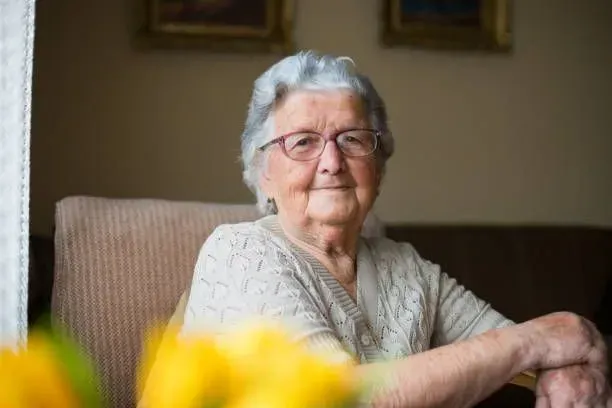
Living in a close-knit community offers numerous benefits, especially for elderly individuals who may need extra support and companionship. The interconnectedness within such a community provides a robust safety net, ensuring that seniors are not left to face the challenges of aging alone. In this article, we will explore four practical ways for elderly neighbors to keep tabs on each other daily, fostering a sense of connection, safety, and well-being. These methods include establishing a daily check-in system, organizing regular social gatherings, creating a shared emergency contact list, and encouraging participation in local activities. At 7 Day Home Care, we believe that building a caring community is vital for enhancing the quality of life for seniors. Such a community not only offers practical benefits like immediate help during emergencies but also significantly improves mental and emotional health by reducing feelings of loneliness and isolation. A supportive neighborhood environment can help seniors maintain their independence and dignity, knowing they have a network of caring individuals looking out for their well-being. 7 Day Home Care is licensed by the New York State Department of Health to provide in-home care services in Manhattan, Queens, Brooklyn, Nassau County, and Suffolk County, New York.
1. Establish Communication Channels:
Maintaining open lines of communication is crucial for neighbors to stay connected. Here are some effective ways to keep in touch:
a. Phone Tree: Create a phone tree within the community, ensuring that each neighbor has the contact information of one or two others. This way, they can regularly check in on each other.
b. Social Media Groups: Set up a private social media group or online forum exclusively for neighbors to share updates, ask for help, or organize community events. Platforms like Facebook.com or Nextdoor.com can facilitate communication.
c. Community Newsletter: Consider starting a neighborhood newsletter to share important information, events, and updates on each other's well-being.
2. Daily Check-ins:
Encouraging daily check-ins helps neighbors stay connected and ensures that everyone is accounted for. Consider the following approaches:
a. Morning Greetings: Make it a habit to greet your neighbors every morning. A simple wave, smile, or a quick chat can foster a sense of belonging and help detect any visible changes in well-being.
b. Scheduled Calls: Arrange a specific time each day for a quick phone call or video chat with a neighbor. This regular check-in provides an opportunity to discuss any concerns, share updates, or simply engage in friendly conversation.
c. Window or Balcony Signals: Develop a system of signals using curtains, flags, or objects placed on windows or balconies to indicate well-being or any immediate assistance required. For example, a green flag could indicate all is well, while a red flag might suggest a need for help.
3. Supportive Services:
Collaborate with local organizations, including 7 Day Home Care in New York to provide additional support and resources to the community:
a. Community Events: Organize regular community events such as exercise classes, educational workshops, or social gatherings to encourage interaction and strengthen connections.
b. Information Sharing: Share information about local resources, healthcare providers, home care services, and support groups to ensure that neighbors have access to the necessary assistance.
c. Volunteer Network: Establish a volunteer network within the community to assist with errands, transportation, or other tasks that neighbors may need help with.
4. Emergency Preparedness:
Preparing for emergencies is crucial for the safety and well-being of everyone in the community:
a. Emergency Contact List: Create a comprehensive list of emergency contact numbers for local authorities, healthcare providers, and family members. Distribute this list among neighbors.
b. Personal Emergency Plans: Encourage each neighbor to develop an emergency plan that includes important medical information, emergency contacts, and preferred courses of action during different scenarios.
c. Safety Awareness: Promote safety awareness by sharing tips on fall prevention, home security, and emergency preparedness. Conduct workshops or invite experts to educate the community on these topics.
By fostering a caring community, elderly neighbors can keep tabs on each other daily, ensuring their safety, well-being, and social connection. Establishing effective communication channels, encouraging daily check-ins, providing supportive services, and preparing for emergencies are all key elements in building a strong network of support. At 7 Day Home Care in New York, we are committed to promoting a sense of community and enhancing the lives of seniors. Contact us at 516-408-0034 to learn more about our home care services in Manhattan, Queens, Brooklyn, Nassau County, and Suffolk County and how we can assist you in creating a safe and caring neighborhood for elderly individuals.
Brian Callahan
7 Day Home Care