The Battle Against Loneliness and Social Isolation in Aging
The Battle Against Loneliness
and Social Isolation in Aging
Forbes explains “Loneliness and social isolation in older adults are serious public health risks affecting a significant number of people in the United States and putting them at risk for dementia and other serious medical conditions.” That’s from the CDC, in their informational content titled, “Loneliness and Social Isolation Linked to
Serious Health Conditions.” The material continues by saying that social isolation increases risk of premature death from all causes, at a risk level “that may rival those of smoking, obesity, and physical inactivity,” and that it increases dementia risk by 50%. In addition, loneliness was associated with higher rates of depression, anxiety, and suicide, and a nearly 4 times increased risk of death among heart failure patients."

Are You Searching for a Home Care Agency Near Me that Understands the Benefits Companion Care Provides for Long-Term Well-Being for the Elderly?
As individuals age, their social connections and support networks may begin to dwindle, leading to feelings of loneliness and social isolation. These emotional challenges can have a profound impact on the mental and physical well-being of older adults. In this article, we discuss the pressing issue of loneliness and social isolation among the elderly population. We explore the causes, consequences, and the crucial role that the best home care agencies near you play in combating these issues.
Understanding Loneliness and Social Isolation for the Elderly
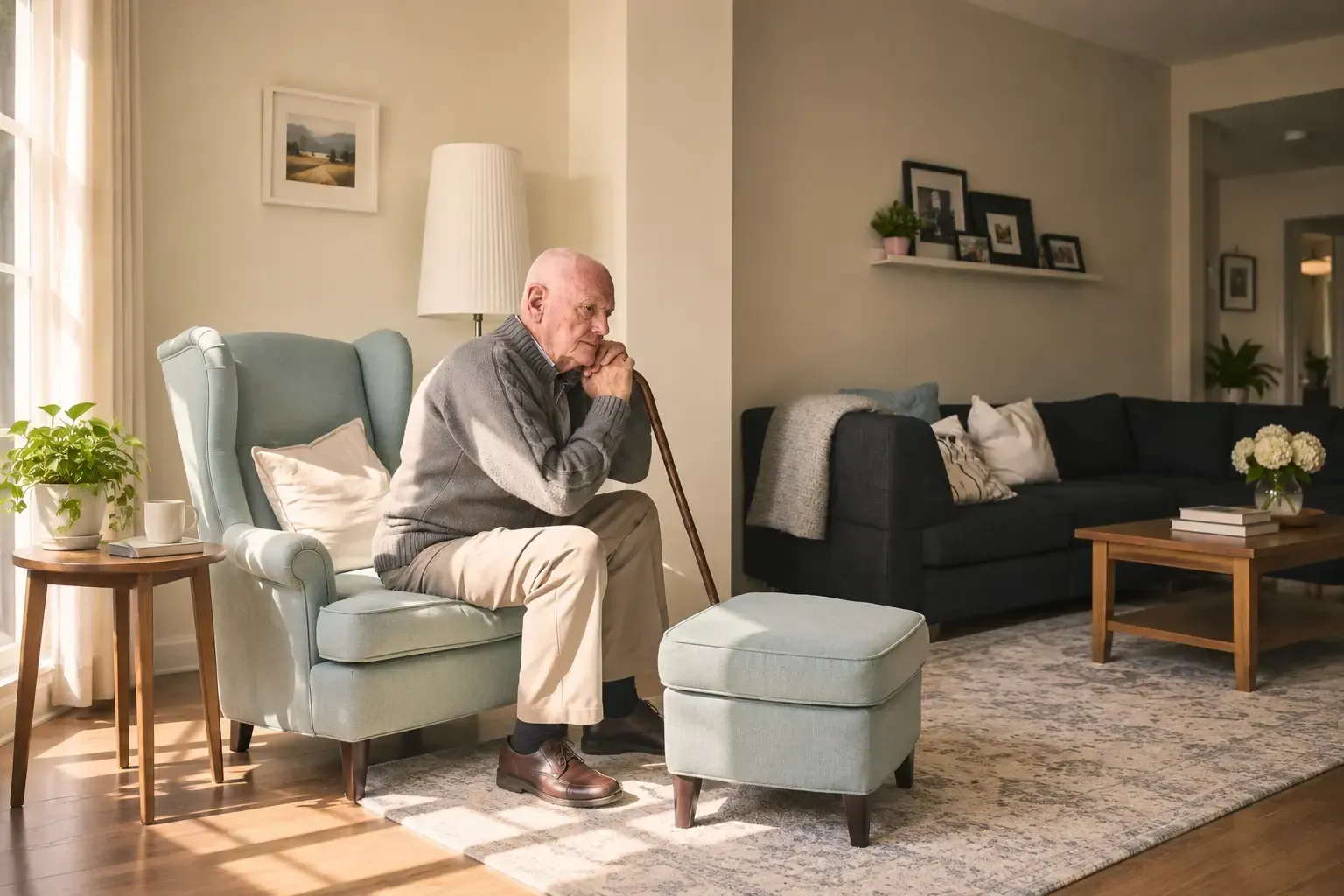
Loneliness and social isolation are significant issues affecting the elderly, often leading to serious emotional, mental, and physical health consequences. As seniors age, they may face a variety of factors that contribute to isolation, including the loss of loved ones, decreased mobility, health problems, and retirement, which can reduce social interactions. Prolonged loneliness can lead to depression, anxiety, and cognitive decline, while also weakening the immune system and increasing the risk of chronic conditions such as heart disease. The lack of regular social engagement deprives seniors of the emotional support and mental stimulation necessary for a fulfilling life. Addressing these issues through community programs, social activities, and companionship services is crucial in promoting the well-being and quality of life for the elderly, helping them stay connected and engaged with the world around them.
Causes of Loneliness and Social Isolation for the Elderly
Several factors contribute to the prevalence of loneliness and social isolation among the elderly:
- Loss of loved ones: Aging often comes with the loss of spouses, family members, and friends, resulting in a reduced social network and a sense of bereavement.
- Mobility limitations: Physical health challenges, such as mobility issues or chronic pain, can limit seniors' ability to engage in social activities and maintain relationships.
- Geographic distance: Aging adults may find themselves living far away from their loved ones, making regular social interactions difficult.
- Retirement and career transitions: The end of a professional career can significantly impact an individual's social connections, leading to a sense of isolation and loss of purpose.
- Technological barriers: Some seniors may struggle to adapt to new technologies, making it challenging to connect with others through digital means.
Consequences of Loneliness and Social Isolation for the Elderly:
The consequences of loneliness and social isolation are far-reaching, affecting both the mental and physical well-being of older adults:
- Mental health decline: Persistent loneliness is associated with an increased risk of depression, anxiety, and cognitive decline, potentially exacerbating existing mental health conditions.
- Declining physical health: Social isolation has been linked to a higher likelihood of developing chronic health conditions, including cardiovascular diseases, obesity, and impaired immune function.
- Decreased quality of life: The absence of social connections can lead to decreased life satisfaction, lower self-esteem, and a reduced sense of purpose and belonging.
The Role of 7 Day Home Care and
Finding Companion Care Near You
7 Day Home Care is licensed by the New York State Department of Health to provide in-home care services, including companion care in Manhattan, Queens, Brooklyn, Nassau County, and Suffolk County, New York. 7 Day Home Care can play a pivotal role in addressing loneliness and social isolation among seniors by providing essential support and companionship. Here's how:
- Companionship services: Home care professionals offer companionship to aging individuals, engaging in meaningful conversations, playing games, and participating in activities that foster social interaction.
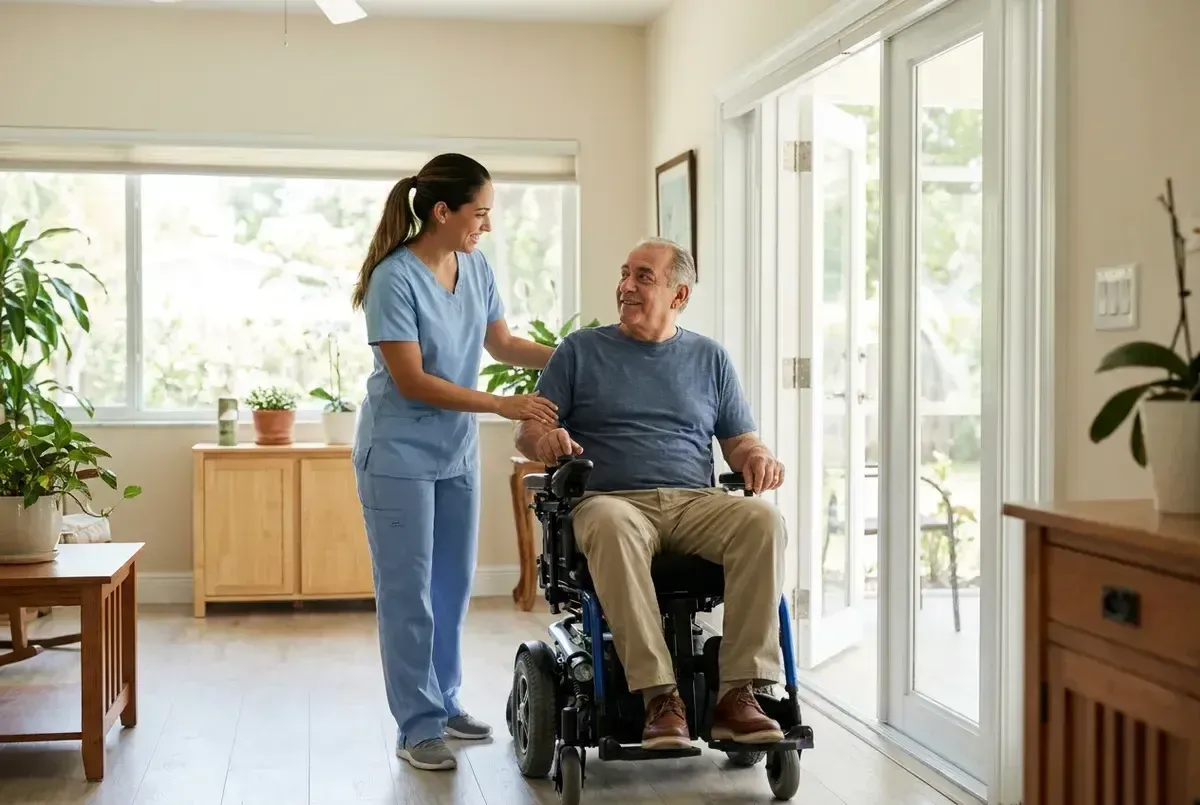
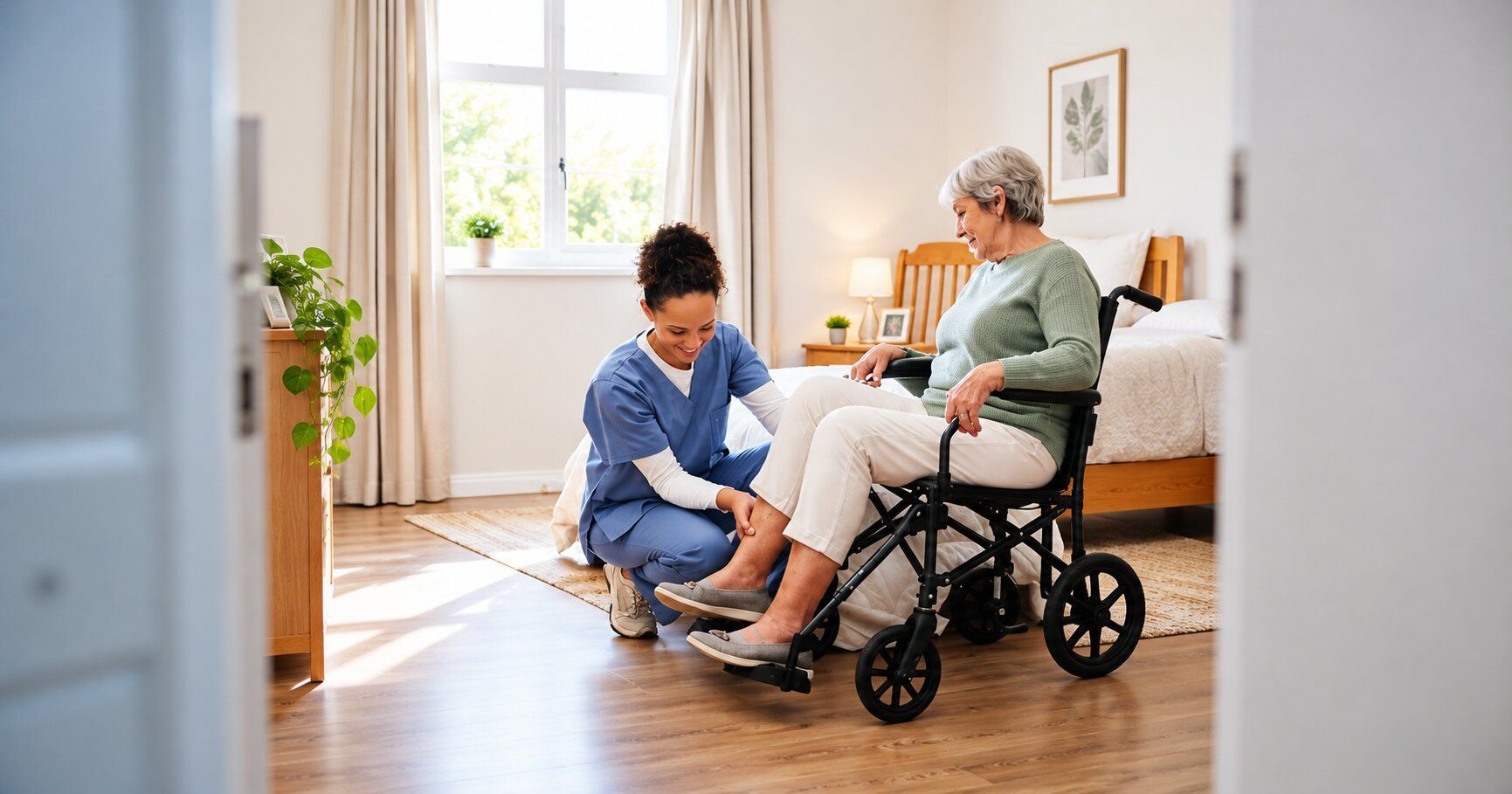
- Assistance with daily activities: Home care agencies provide support with daily tasks such as meal preparation, medication reminders, and transportation to social events or appointments, enabling seniors to maintain active social lives.
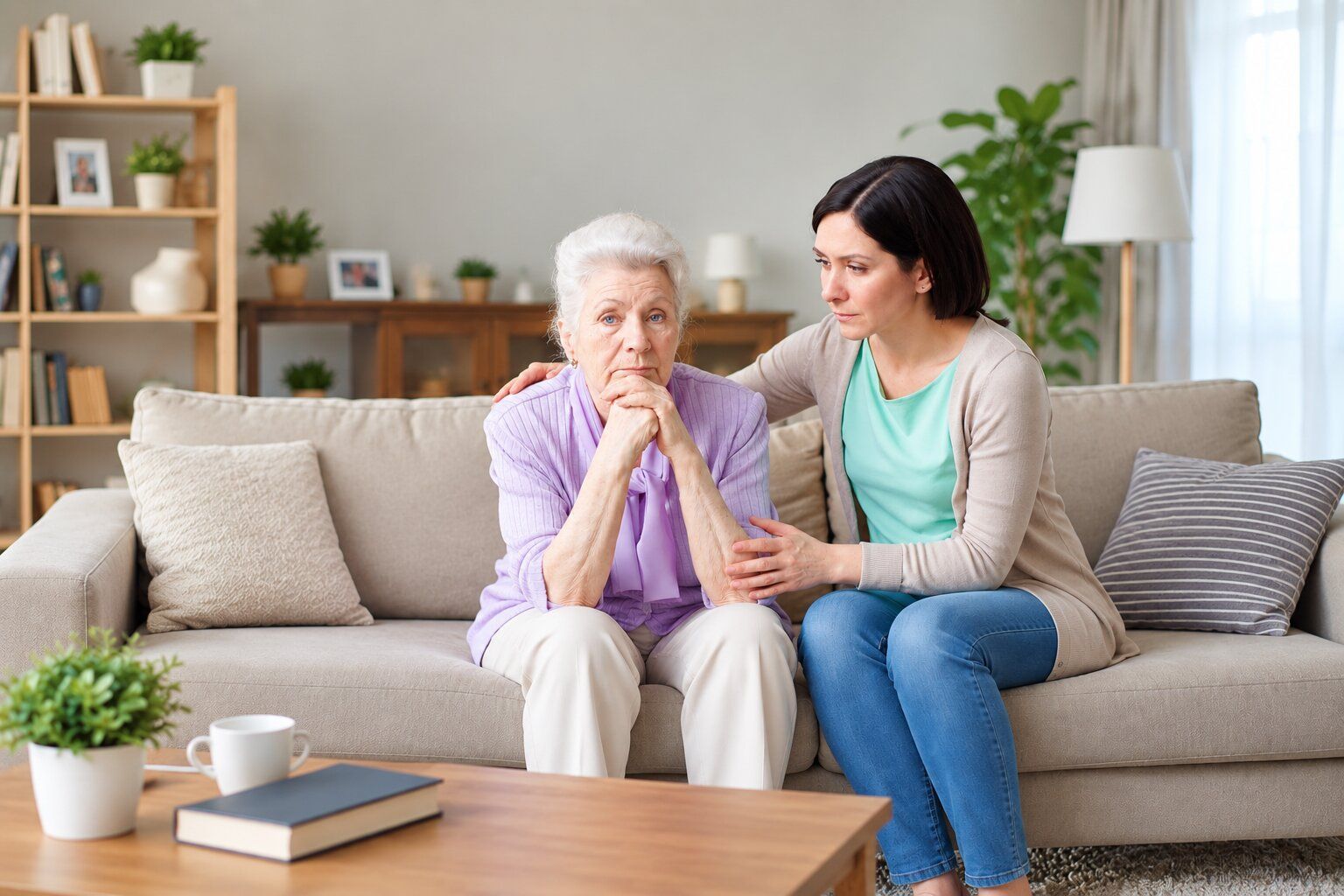
- Emotional support: Caregivers offer empathy, active listening, and emotional support, helping seniors cope with the emotional challenges associated with loneliness and social isolation.
- Technology guidance: Home care professionals can assist older adults in navigating technology, bridging the digital divide and enabling them to connect with family and friends through social media, video calls, and other online platforms.
- Community engagement: Caregivers often organize social events, outings, and group activities that promote socialization and help seniors build new connections within their community.
Loneliness and social isolation are significant challenges faced by many aging individuals, with severe consequences for their overall well-being. Home care agencies play a crucial role in addressing these issues by providing companionship, emotional support, and facilitating social engagement. By acknowledging the importance of combating loneliness and social isolation, we can work together to ensure a happier, healthier, and more connected future for our aging population.
At 7 Day Home Care, we understand the profound risks of loneliness and social isolation for the elderly, and we are dedicated to mitigating these challenges through our exceptional companion care services. Recognized as the top home care agency in Manhattan, Queens, Brooklyn, and Long Island, New York, we prioritize the emotional and social well-being of our clients. Our compassionate caregivers provide meaningful companionship, fostering connections that enhance mental health and overall quality of life. By engaging our clients in social activities, conversations, and personalized interactions, we ensure they remain connected and supported, ultimately promoting a happier and healthier aging experience. Trust 7 Day Home Care to bring warmth, friendship, and professional care to your loved ones' lives. To learn more about our companion care services near you, please call 516-408-0034 or visit 7 Day Home Care.
Brian Callahan
7 Day Home Care