Home Care and Longevity: Helping Seniors Live Longer at Home
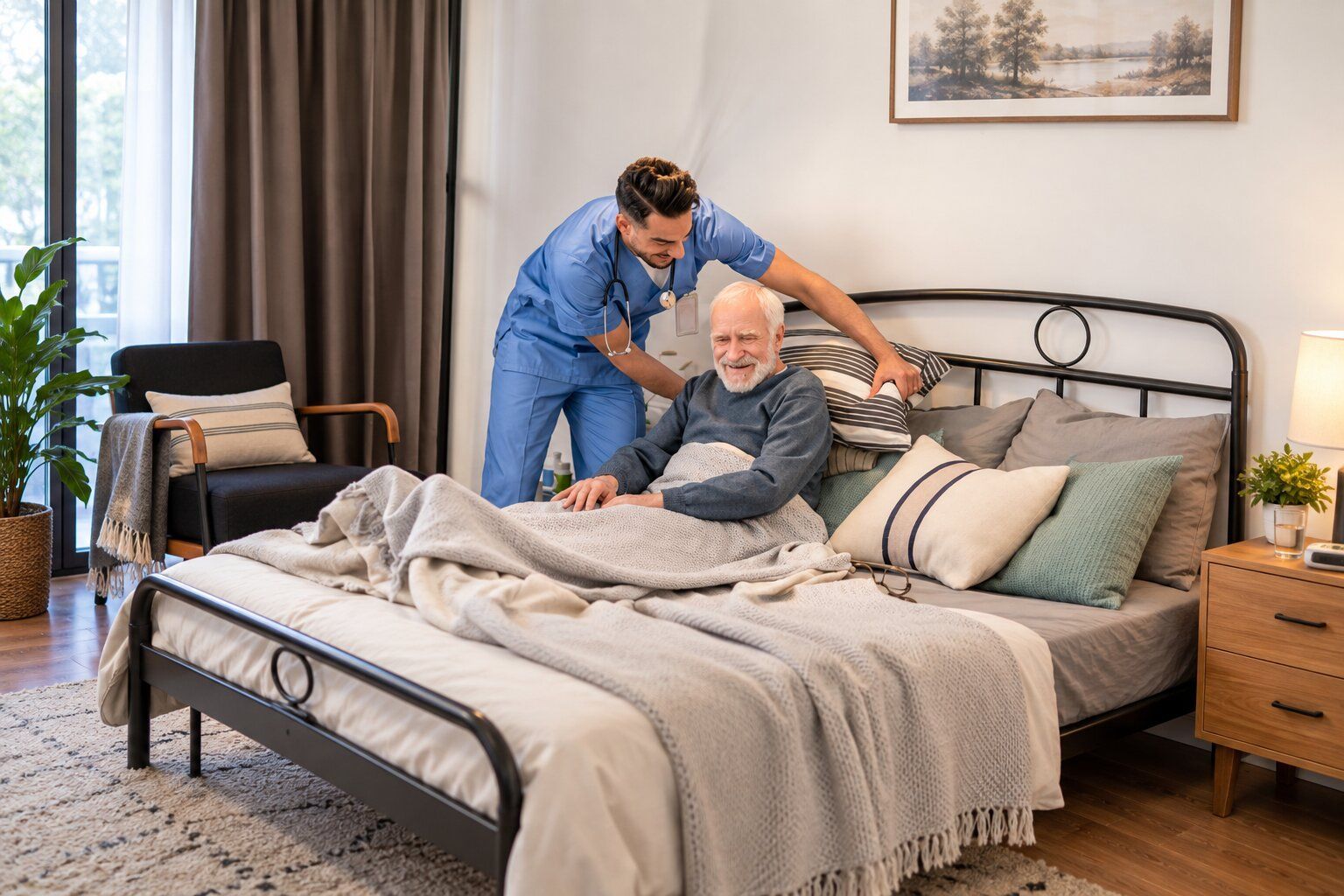
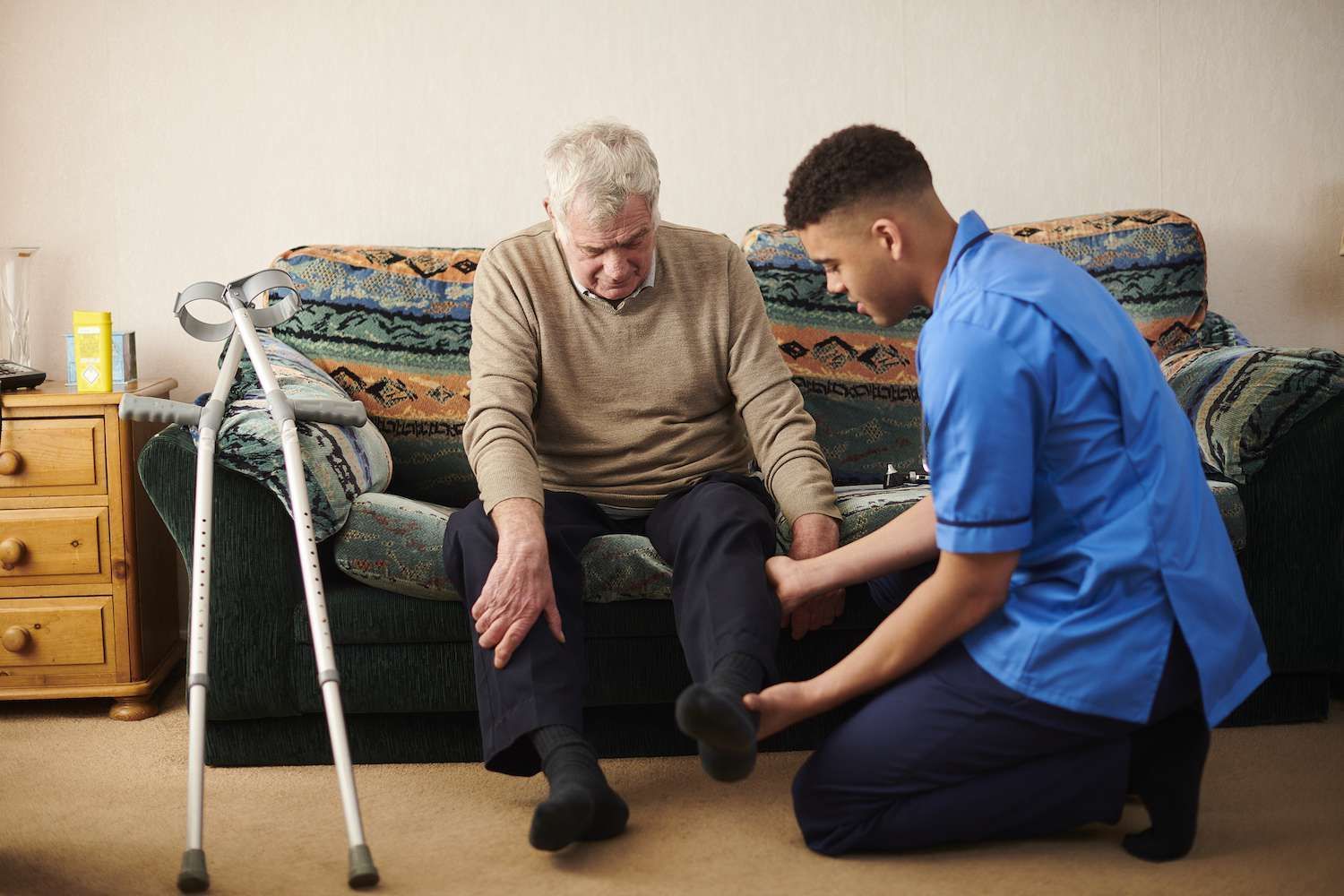
7 Day Home Care proudly delivers expert longevity-focused home care services across NYC, Manhattan, Queens, Brooklyn, and Long Island, New York, helping seniors live longer, healthier lives at home. Our experienced, multilingual caregivers are trained in evidence-based practices that support both lifespan and health span - focusing on nutrition, mobility, cognitive stimulation, stress reduction, and companionship. Whether providing 24-hour in-home assistance, dementia care, or post-surgery recovery, we tailor every care plan to the unique needs and cultural preferences of each client. Families in neighborhoods from the Upper East Side and Forest Hills to Park Slope and Garden City trust 7 Day Home Care for our compassionate approach, seamless long-term care insurance support, and commitment to promoting aging in place with dignity, safety, and purpose. As the top private pay and insurance-approved home care agency in the region, we are dedicated to being your partner in senior longevity and independence.
Are you searching for the top private pay home care agency near you? 7 Day Home Care provides private pay in-home care services and is a approved provider under your long term care insurance policy throughout NYC, Manhattan, Queens, Brooklyn, and Long Island, New York. To learn more about home health aide care services, please call 516-408-0034.
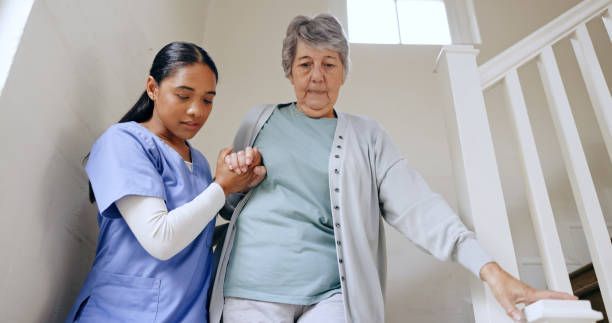
The Truth About Aging in Place: Why Seniors Choose Home Care for Longer Lives
Are you wondering how to help aging parents stay independent? Looking for "best home care options for seniors near me?" As the top private pay home care agency in your community, 7 Day Home Care understands that true longevity isn't just about adding years to life—it's about adding quality life to those years.
Our seniors deserve both extended lifespans and enhanced "health spans"—the period spent in good health, free from chronic diseases and disabilities. This comprehensive guide explores proven strategies for extending both lifespan and health span, with particular focus on how professional home care services create the foundation for healthy aging in place—where 90% of seniors overwhelmingly prefer to be.
Understanding Why Some Seniors Live Longer, Healthier Lives at Home
The Science Behind Cellular Aging and How Home Care Helps
Scientists studying centenarians—people who live to 100 and beyond—have identified several biological mechanisms that contribute to longevity that our home care services directly support:
Reducing Cellular Inflammation Through Personalized Care
As we age, our cells accumulate damage and enter a state called senescence, releasing inflammatory compounds that accelerate aging.
Home care connection: Our insurance-approved caregivers ensure proper nutrition, physical activity, and stress management—all scientifically proven to reduce inflammation and potentially slow cellular aging.
Supporting Mitochondrial Health with Professional Care
Mitochondria are the powerhouses of our cells, and their decline contributes significantly to aging. Research shows maintaining mitochondrial health through specific activities supports longevity.
Home care connection: Our 24-hour home health aides help seniors maintain appropriate exercise routines and consume mitochondria-supporting foods that may extend life.
Preserving Telomere Length Through Stress Reduction
Telomeres (protective caps on our chromosomes) shorten with each cell division. When they become too short, cells stop dividing or die. Studies show that chronic stress accelerates telomere shortening.
Home care connection: The stress reduction from having a trained 7 Day Home Care professional handling daily care needs can potentially support cellular health at the telomere level for seniors.
Blue Zone Secrets: What Seniors Can Learn from the World's Longest-Lived Communities
Certain regions—known as Blue Zones—have unusually high concentrations of centenarians. These include Okinawa (Japan), Sardinia (Italy), Nicoya (Costa Rica), Ikaria (Greece), and Loma Linda (California).
Strong Social Connections Prevent Senior Isolation
Blue Zone inhabitants maintain close relationships throughout life. Isolation and loneliness increase mortality risk comparable to smoking 15 cigarettes daily.
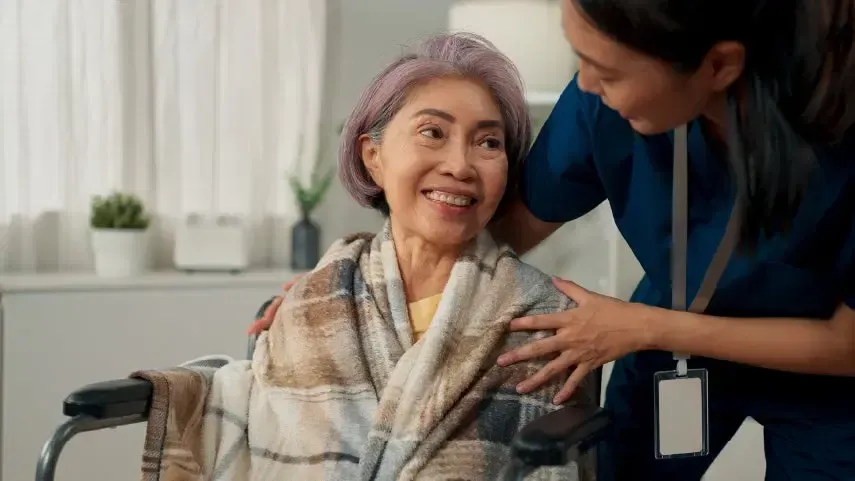
Home care connection: Our multilingual caregivers provide not just physical assistance but crucial social interaction and emotional support for seniors who might otherwise face dangerous isolation.
Plant-Rich Diet Preparation by Our Top Senior Care Team
Blue Zone diets typically consist of approximately 95% plant foods, with minimal processed ingredients and moderate caloric intake.
Home care connection: Our in-home caregivers prepare nutritious, plant-forward meals that support longevity while accommodating individual preferences and dietary needs for seniors.
Natural Movement Support for Elderly Residents
Rather than formalized exercise, Blue Zone inhabitants incorporate natural movement throughout their day—walking, gardening, and other low-intensity physical activities.
Home care connection: Our affordable home health aides support appropriate physical activity tailored to each senior's abilities, encouraging movement while ensuring safety.
Finding Purpose and Meaning in Later Years with Home Support
Having a reason to wake up each morning—what Okinawans call "ikigai"—appears to add years to life.
Home care connection: As the leading home care agency approved provider by your long term care insurance, our professional caregivers help seniors maintain meaningful activities and connections that provide purpose and joy.
Evidence-Based Longevity Strategies Implemented by 7 Day Home Care
Nutrition for Longer Life: How Our Caregivers Support Healthy Eating
Studies consistently show certain dietary patterns support longer, healthier lives:
Mediterranean Diet Support for Seniors
Rich in olive oil, fish, nuts, fruits, vegetables, and whole grains, this eating pattern reduces risk of heart disease, stroke, cancer, and cognitive decline.
Home care connection: Our caregivers specialize in Mediterranean meal preparation for seniors while respecting personal preferences.
MIND Diet Implementation for Brain Health at Home
Combining elements of Mediterranean and DASH diets, the MIND diet emphasizes foods that support brain health and may reduce Alzheimer's risk.
Home care connection: Our dementia care specialists prepare brain-healthy meals following MIND diet principles, potentially slowing cognitive decline.
Supervised Intermittent Fasting for Interested Seniors
When implemented appropriately under medical supervision, these approaches may activate longevity pathways in the body.
Home care connection: Our 24-hour home care providers can monitor and support physician-approved fasting regimens safely.
Physical Activity Programs for Elderly Residents
Regular exercise is perhaps the most powerful anti-aging intervention available:
In-Home Strength Training for Seniors
Preserves muscle mass and bone density, crucial for preventing frailty and maintaining independence.
Home care connection: Our specialized senior fitness caregivers assist with appropriate resistance exercises prescribed by healthcare providers.
Safe Aerobic Exercise with Professional Supervision
Supports cardiovascular health, cognitive function, and mood for longer health span.
Home care connection: Our top-rated home health aides ensure seniors maintain heart-healthy movement safely.
Fall Prevention Through Balance Training at Home
Reduces fall risk, a major threat to senior health and independence.
Home care connection: Our insurance-approved caregivers implement balance exercises and environmental modifications to prevent life-threatening falls.
Cognitive Engagement Activities for Elderly
Maintaining mental sharpness is essential for quality longevity:
Lifelong Learning Support for Seniors
Acquiring new skills creates cognitive reserve that may protect against dementia.
Home care connection: Our multilingual caregivers facilitate learning opportunities and mental stimulation tailored to interests.
Social Engagement for Isolated Elderly
Meaningful interactions challenge the brain in unique ways that support cognitive health.
Home care connection: Our compassionate companions provide conversation and accompaniment to community events for seniors.
Brain-Stimulating Activities in the Comfort of Home
Tasks requiring focus and problem-solving help maintain neural connections.
Home care connection: Our specialized dementia caregivers implement cognitive exercises recommended by neurologists.
Sleep Quality Improvement for Better Senior Health
Emerging research identifies sleep as a critical factor in longevity:
Consistent Sleep Schedule Support for Elderly
Regular sleep-wake times support circadian rhythms essential for cellular repair.
Home care connection: Our overnight care specialists establish healthy bedtime routines for better rest.
Creating Optimal Sleep Environments for Seniors
Cool, dark, quiet sleeping conditions optimize restorative rest.
Home care connection: Our evening caregivers prepare bedrooms for maximum sleep quality, potentially extending life.
Stress Management Techniques Implemented by Professional Caregivers
Chronic stress accelerates aging through multiple pathways:
Caregiver-Supported Meditation and Mindfulness
Research shows these practices reduce stress hormones and inflammation.
Home care connection: Our trained home health aides guide seniors through simple mindfulness exercises.
Nature Exposure for Homebound Seniors
Time outdoors lowers stress and supports overall wellbeing.
Home care connection: Our mobile caregivers provide transportation and accompaniment for safe outdoor experiences.
Why Choose 7 Day Home Care as Your Home Care Agency Service Provider
Aging in Place: The Preference with Proven Health Benefits
- Nearly 90% of seniors express a strong preference for remaining in their own homes as they age.
Research supports this preference, showing that aging in familiar surroundings:
- Preserves cognitive function through environmental familiarity
- Maintains community connections crucial for mental health
- Allows for personalized adaptations that support independence
- Reduces exposure to infections common in institutional settings
- However, aging in place successfully often requires support. This is where 7 Day Home Care's insurance-approved services become invaluable.
How Our Top Private Pay Home Care Agency Supports Longevity
Our trained caregivers don't just assist with basic needs—they implement evidence-based longevity strategies:
Nutritional Support Services
- Grocery shopping focused on longevity-promoting foods
- Mediterranean diet meal preparation for seniors
- Assistance with eating for those with physical limitations
- Hydration monitoring for kidney health and longevity
- Special dietary accommodations while maintaining nutritional quality
Physical Activity Support for Homebound Seniors
- Transportation to physical therapy appointments
- In-home exercise assistance following professional recommendations
- Safe walking companions for neighborhood strolls
- Fall prevention through environmental modifications
- Motivation for maintaining activity routines essential for longevity
Cognitive Health Services for Elderly
- Engagement in stimulating conversation and activities
- Transportation to community events and educational opportunities
- Assistance with brain-healthy hobbies and interests
- Technology support for online learning and family communication
- Reading assistance and discussion to maintain neural connections
Medication Management by Trained Caregivers
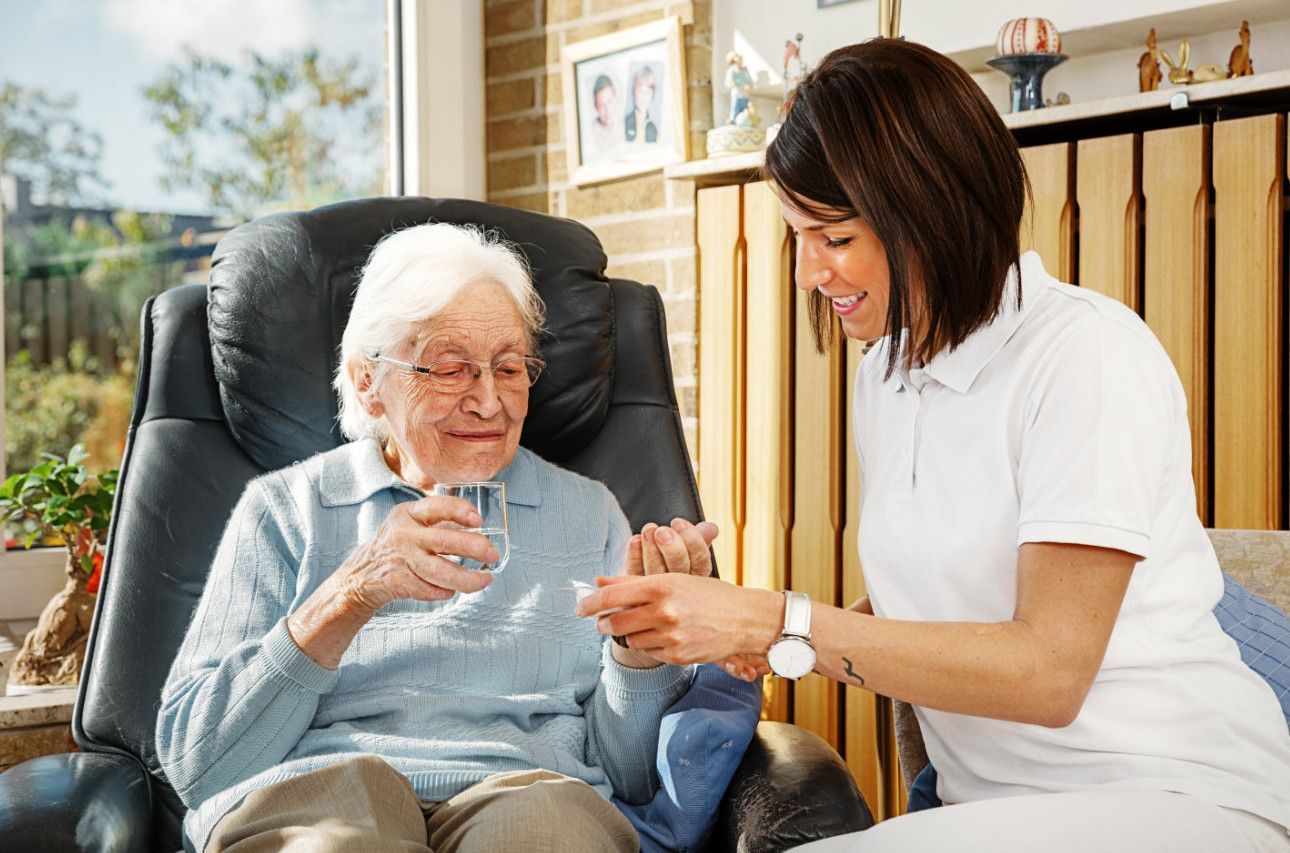
- Timely medication reminders preventing dangerous missed doses
- Side effect monitoring by experienced eyes
- Pharmacy and doctor appointment transportation
- Healthcare provider communication about medication concerns
- Proper medication storage and organization
Emotional and Social Support from Compassionate Companions
- Companionship reducing isolation-related health risks
- Transportation to family gatherings and social events
- Technology assistance for virtual connections with loved ones
- Emotional support during challenging life transitions
- Celebration of achievements maintaining positive outlook
The 7 Day Home Care Difference: Personalized Longevity Plans for Seniors
As the leading home care agency approved provider by your long term care insurance and private pay home care services, we understand that longevity interventions must be personalized. Our approach begins with a comprehensive assessment to understand each client's:
- Health conditions and limitations requiring specialized support
- Personal preferences and cultural considerations
- Home environment safety and modification needs
- Social connections and potential isolation risks
- Goals for independence and quality of life
Based on this assessment, we create individualized care plans incorporating evidence-based longevity strategies while respecting personal autonomy and preferences.
Investing in Longer, Healthier Lives Through Quality Home Care
The science is clear: how we live dramatically impacts how long and how well we live. Our professional home care services create the foundation for implementing evidence-based longevity strategies while maintaining the independence and dignity that contribute to quality of life.
By choosing 7 Day Home Care, families aren't just arranging for assistance with daily activities—they're investing in their loved ones' longevity, health span, and happiness. Our insurance-approved caregivers become partners in creating the conditions for not just a longer life, but a better one.
Whether you're planning for your own future or seeking support for an aging parent, we invite you to explore how our comprehensive home care services can become an integral part of your longevity strategy. Contact your top private pay home care agency and leading long term care insurance provider today at (516) 408-0034 to learn about creating a personalized care plan that supports not just daily needs, but the foundations of a longer, healthier, more joyful life.
Serving your community with 24/7 professional senior care services by experienced, compassionate caregivers who speak multiple languages including English, Spanish, French, Russian, Polish, Tagalog (Filipino), and Farsi (Persian).
7 Day Home Care provides in-home care services throughout NYC, Manhattan, Queens, Brooklyn, and Long Island, New York. To learn more about our home health aide care services, please call 516-408-0034.
Brian Callahan
7 Day Home Care