Alzheimer's and Dementia Family Caregiver Support Groups
Alzheimer's and Dementia Family Caregiver Support Groups
According to the Mayo Clinic "providing care for someone who has Alzheimer's disease can be physically and emotionally hard. It often takes a great deal of patience, compassion and strength. Whether you've been an Alzheimer's caregiver for years or you're just learning to cope with the disease, don't go it alone. Look to friends, family and community resources for support and guidance.
As you care for your loved one, look for meaningful ways to interact and communicate. Talk with the health care team about how to best keep your loved one safe. Understand that the challenges for people who have Alzheimer's and for their caregivers often change as time goes by. Talk with the health care team to learn how to prepare for the tough situations and choices that may be ahead.
It's important to remember your own needs too. Don't ignore warning signs of caregiver stress and burnout. Take time for yourself, and ask for help."

At 7 Day Home Care, witnessing the unwavering dedication of family caregivers supporting loved ones navigating Alzheimer's and dementia is an everyday occurrence. We understand the complex emotions, immense challenges, and relentless demands placed upon those who choose to care at home. While providing exceptional in-home care in Manhattan, Queens, Brooklyn, Nassau County, and Suffolk County, New York, we also recognize the crucial role of support groups in empowering and sustaining family caregivers on this challenging journey.
The Landscape of Family Alzheimer's and dementia Caregiving:
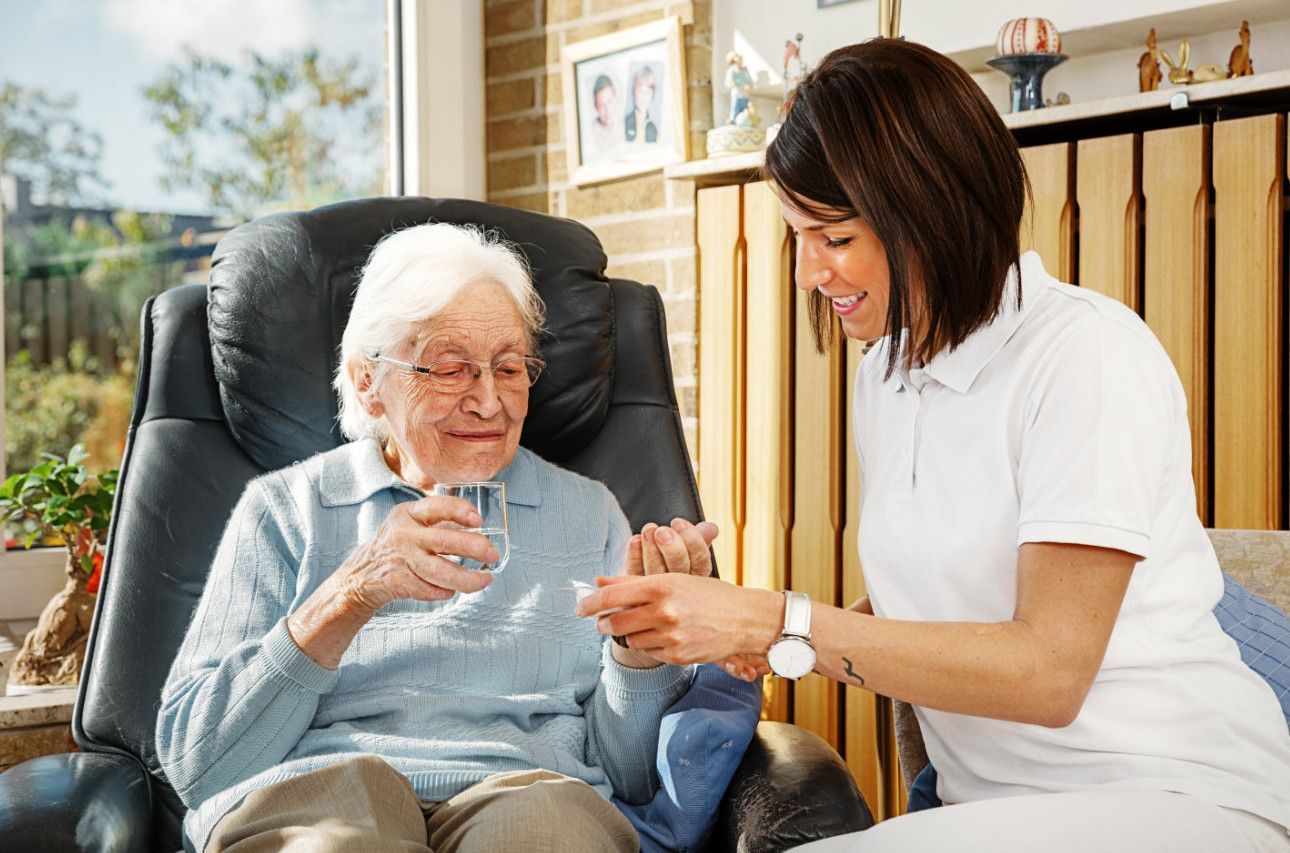
Alzheimer's and dementia family caregiving is an immensely challenging yet profoundly meaningful journey, often marked by both emotional strain and deep connection. As loved ones grapple with the progressive decline in cognitive function, memory loss, and behavioral changes associated with these diseases, family caregivers become frontline advocates, providing invaluable support and assistance. This caregiving role encompasses a myriad of responsibilities, from ensuring safety and managing medications to facilitating daily activities and providing emotional comfort. Moreover, caregivers often navigate complex healthcare systems, coordinate appointments, and communicate with healthcare professionals on behalf of their loved ones.
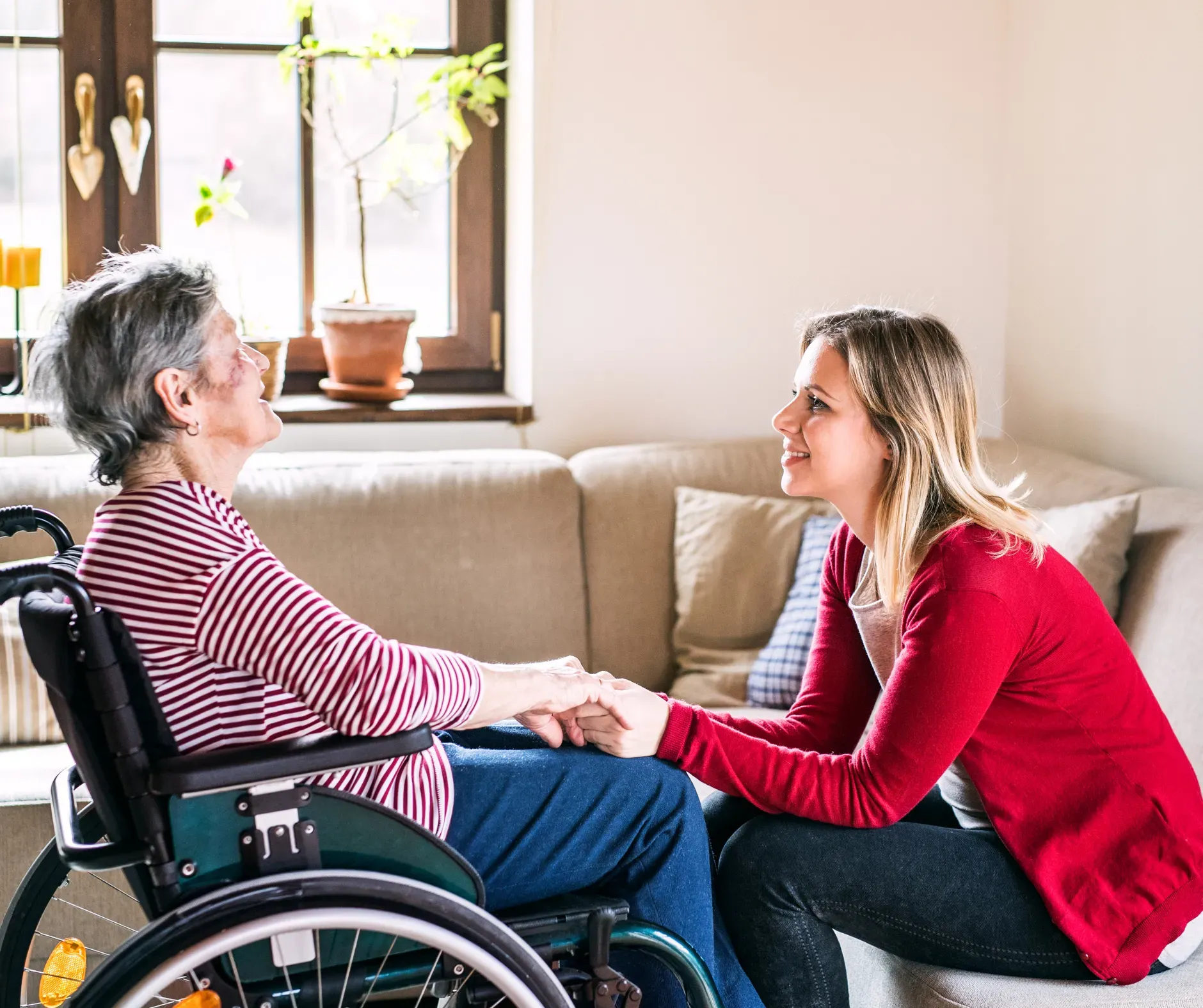
Beyond the practical aspects, Alzheimer's and dementia family caregiving demands immense patience, compassion, and resilience. Witnessing the gradual loss of cognitive abilities and the erosion of cherished memories can evoke profound grief and emotional turmoil for caregivers. Yet, amidst these challenges, moments of connection, joy, and love still emerge, underscoring the enduring bond between caregiver and care recipient. Family caregivers often find solace in creating meaningful routines, engaging in reminiscence activities, and fostering moments of connection through music, art, or shared experiences.
However, the demands of Alzheimer's and dementia caregiving can take a toll on caregivers' physical, emotional, and psychological well-being. Many caregivers experience heightened stress, anxiety, depression, and fatigue as they navigate the complexities of caregiving while juggling other responsibilities and roles. Consequently, self-care becomes imperative, and caregivers must prioritize their own needs, seek support from friends, family, or support groups, and utilize respite care services to replenish their energy and maintain their own health and well-being.
Ultimately, Alzheimer's and dementia family caregiving is a profound act of love, sacrifice, and dedication. Despite the challenges and uncertainties, caregivers play an indispensable role in enhancing the quality of life and preserving dignity for their loved ones living with these diseases. Their unwavering commitment, compassion, and resilience illuminate the path forward, offering hope and strength in the face of adversity.
The Immeasurable Value of Support Groups for Family Caregivers:
Joining a support group can be a transformative experience for family caregivers, offering a safe space to connect with others on a similar journey. These groups provide:
- Emotional validation: Sharing challenges and experiences with individuals who truly understand can alleviate feelings of isolation and provide powerful validation.
- Practical advice and resources: Learning from the experiences of others and gaining insights into helpful strategies can be invaluable for navigating caregiving challenges.
- Hope and inspiration: Witnessing the resilience and courage of fellow caregivers can be a source of strength and renewed hope.
- Reduced stress and anxiety: Sharing burdens and worries in a supportive environment can contribute to decreased stress and improved emotional well-being.
- Networking and social connections: Forming friendships with others who understand can combat isolation and create a valuable support network that extends beyond the group meetings.
Finding the Right Fit:
With multiple support groups available, finding the one that resonates with your individual needs and preferences is crucial. Consider factors like:
- Type of dementia: Some groups focus on specific types of dementia, allowing for targeted discussions and shared experiences.
- Meeting format: Choose between in-person, virtual, or phone-based groups depending on your comfort level and accessibility.
- Size and structure: Consider smaller, facilitator-led groups or larger, open-discussion formats depending on your preference for personal interaction.
- Location and timing: Ensure the group's location or online platform is convenient, and meetings fit your schedule.
7 Day Home Care and Support for Family Caregivers:
At 7 Day Home Care, we believe in creating a holistic care experience that extends beyond in-home assistance. We actively encourage and support family caregivers in seeking the resources and support they need to thrive. We offer:
- Information and guidance: Our care team can provide information on local support groups and connect you with relevant resources.
- Respite care: We offer temporary in-home care relief, allowing you to recharge and prioritize your well-being.
- Support and understanding: Our compassionate caregivers provide a listening ear and a supportive presence.
Empowered Family Caregiving, Brighter Journeys and Self-Care:
Caring for someone with Alzheimer's or dementia is an unwavering act of love and dedication. But you are not alone on this journey. By embracing the power of support groups and the resources available, you can access the guidance, connection, and strength you need to navigate challenges, find solutions, and approach caregiving with renewed resilience. Remember, caring for yourself is crucial to effectively caring for your loved one.
Taking the First Step:
7 Day Home Care encourages you to take the first step towards connecting with a support group. We invite you to contact us today at 516-408-0034or visit our website at 7 Day Home Care to explore resources and discuss how we can support you on your caregiving journey.
If you're a family caregiver feeling overwhelmed, anxious, or depressed, remember, you are not alone. Seeking help from a mental health professional is not a sign of weakness, but rather a courageous step towards taking care of yourself. Just as you tend to your loved one's needs, prioritizing your own emotional well-being is crucial. Support groups offer valuable connection, but sometimes individual therapy with a qualified professional can provide personalized guidance, equip you with coping mechanisms, and empower you to navigate this challenging journey with renewed strength and resilience. Remember, you deserve support, and reaching out for help is the first step toward finding it. Let's work together to ensure you don't have to carry this burden alone.
Additional Resources:
- Alzheimer's Association: https://www.alz.org/
- National Family Caregiver Support Program: https://www.caregiveraction.org/
- Dementia Society of America: https://www.dementiasociety.org/donate
- American Psychological Association: https://www.apa.org/
Through our highly trained and experienced team of Home Health Aides, 7 Day Home Care provides specialized Alzheimer's and dementia care in Manhattan, Queens, Brooklyn, Nassau County, and Suffolk County, New York. Together, we can create a brighter future for family caregivers and ensure that no one walks this path alone.
Brian Callahan
7 Day Home Care